Environmental monitoring plays a crucial role in understanding the quality of our air and identifying potential pollutants that may harm human health and the environment. Air sampling techniques are essential tools used in this process to collect and analyze air samples for various pollutants and particulate matter. This article will go through the many air sampling techniques used in environmental monitoring, emphasizing their importance in protecting the planet and its people.
What Is Environmental Monitoring?
Environmental monitoring involves the systematic collection and analysis of data to assess the condition of the environment and identify potential threats to ecological balance and human health. Environmental monitoring in the context of air quality attempts to assess pollutants and other elements present in the air to guarantee compliance with air quality regulations and safeguard public health.
The Importance Of Air Sampling
Air sampling is a critical aspect of environmental monitoring as it provides valuable insights into the concentration of various pollutants in the atmosphere. It assists authorities and researchers in identifying pollution sources, assessing the efficiency of pollution control methods, and making educated decisions to protect the environment.
Types Of Air Sampling Techniques
Passive Sampling
Passive sampling involves the use of sorbent materials to collect airborne pollutants over a specified period. It does not need active airflow during sampling and is ideal for assessing low levels of contaminants over a long period of time.
Active Sampling
Active sampling utilizes pumps to draw air through sampling devices. This method allows for real-time data collection and is ideal for assessing short-term variations in pollutant levels.
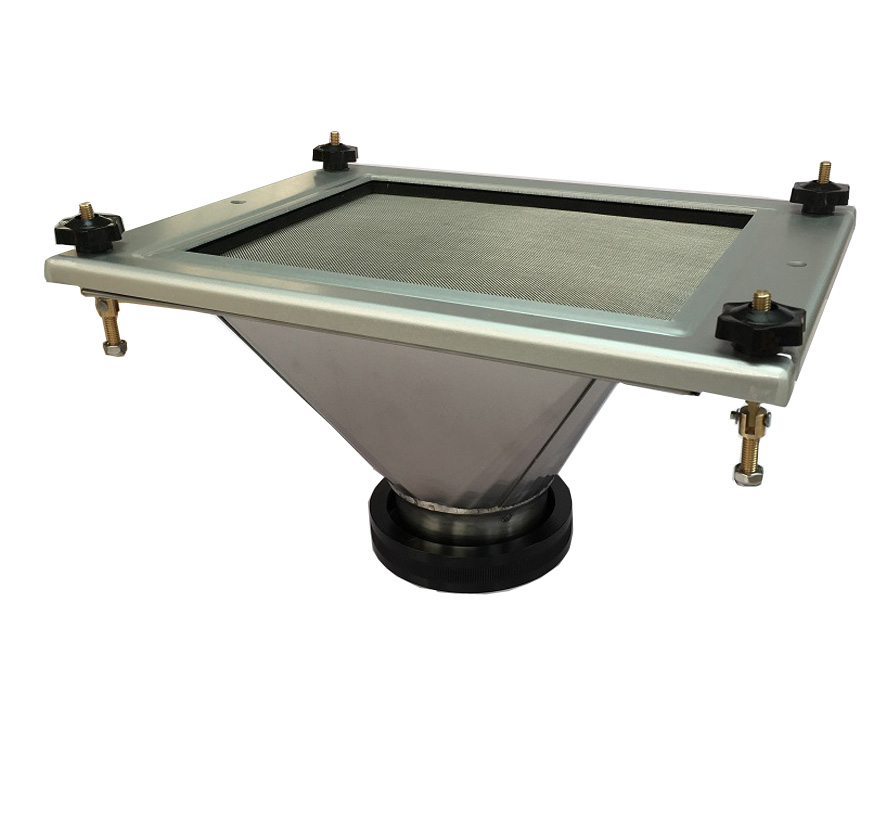
Grab Sampling
Grab sampling involves manually collecting air samples at a particular location and time. Although it provides instantaneous results, it may not represent the overall air quality accurately.
Continuous Monitoring
Continuous monitoring employs advanced equipment to measure pollutant levels continuously. This method guarantees a continuous stream of data, allowing for fast reactions to changes in air quality.
Factors Affecting Air Sampling
Wind Patterns And Direction
Wind patterns and direction significantly impact the distribution and dispersion of airborne pollutants. When sampling, it is critical to consider the prevailing wind direction in order to properly set the sampling equipment.
Temperature And Humidity
Temperature and humidity affect the behavior of pollutants in the atmosphere. High temperatures can enhance the volatility of certain pollutants, leading to increased concentrations, while low temperatures may cause some pollutants to condense or become less mobile.
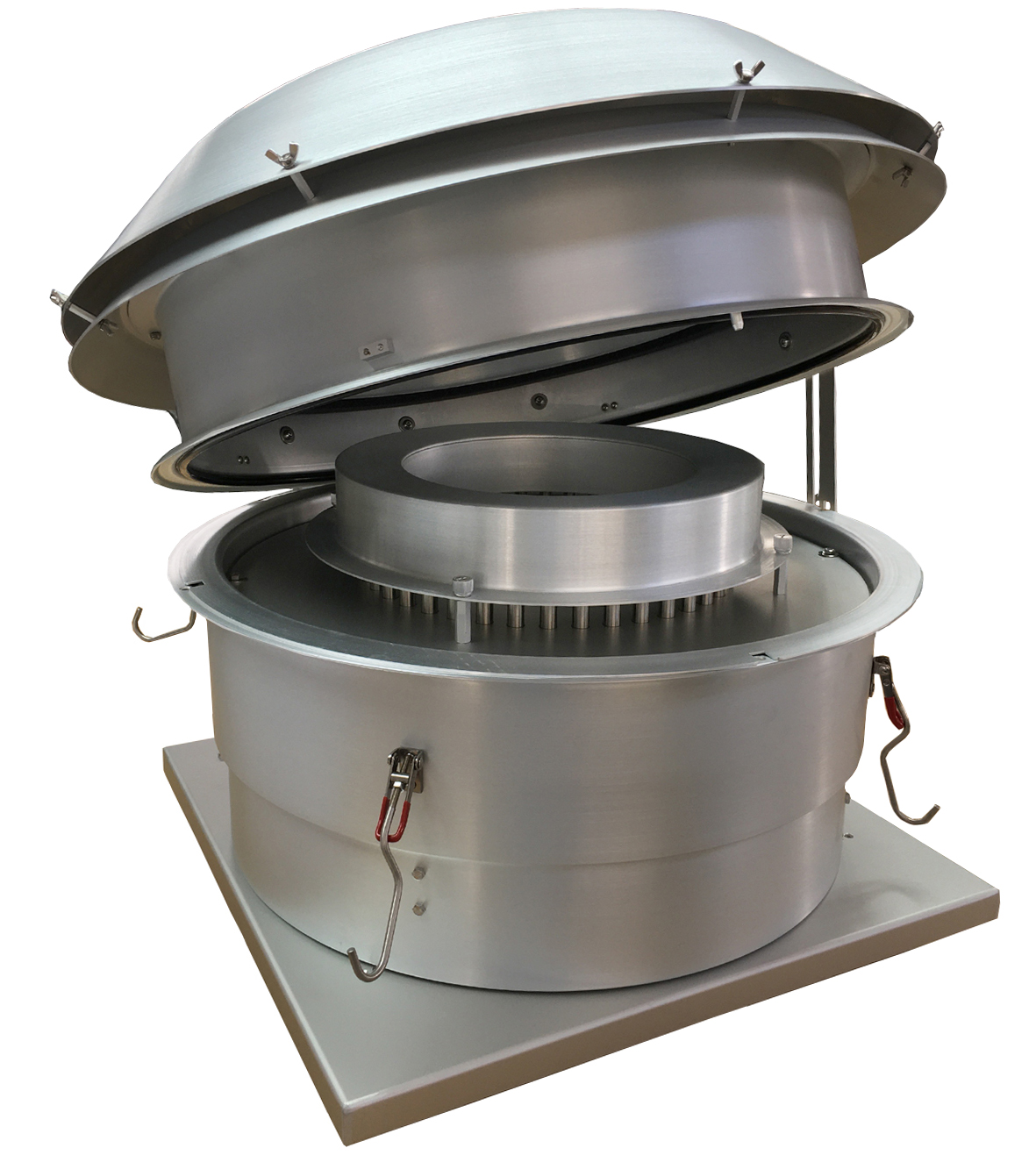
Topography And Terrain
The topography and terrain of the sampling location play a critical role in air dispersion and pollutant concentration. Features such as hills, valleys, buildings, and other obstacles can affect airflow patterns and create localized pollution hotspots.
Proximity To Pollution Sources
The distance between the sampling site and pollution sources is a crucial factor in air sampling. Sites situated close to industrial facilities, roadways, or other emission sources may experience higher pollutant levels than remote locations.
Conclusion
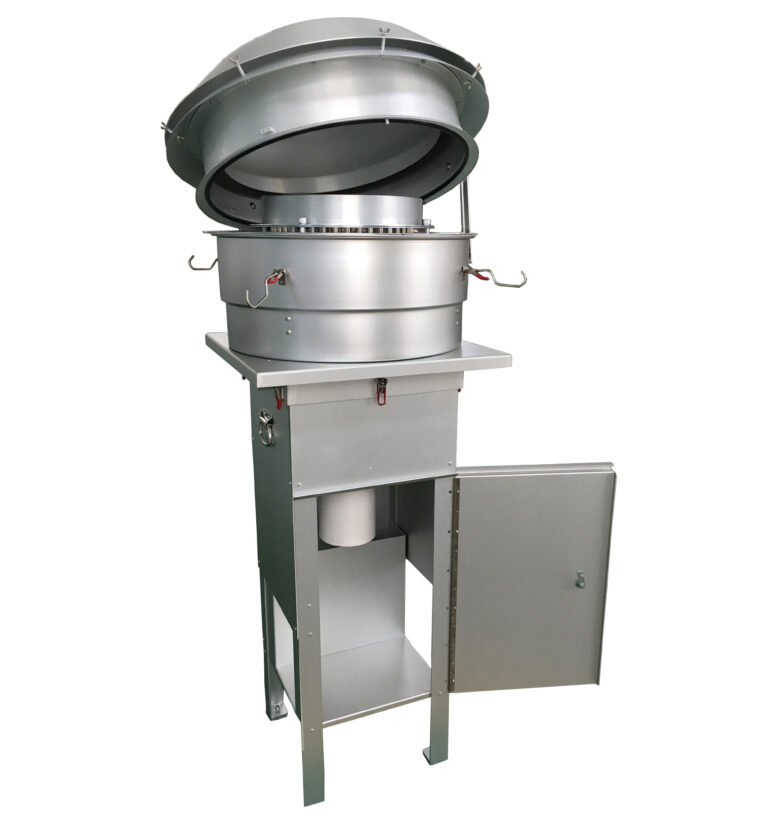
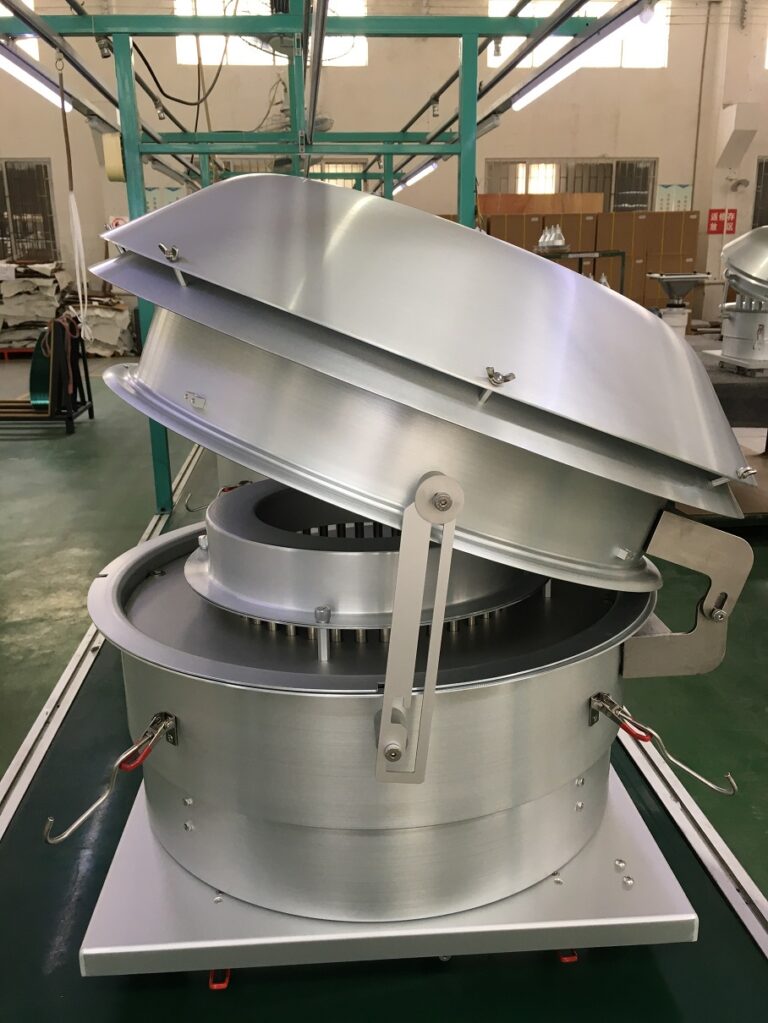
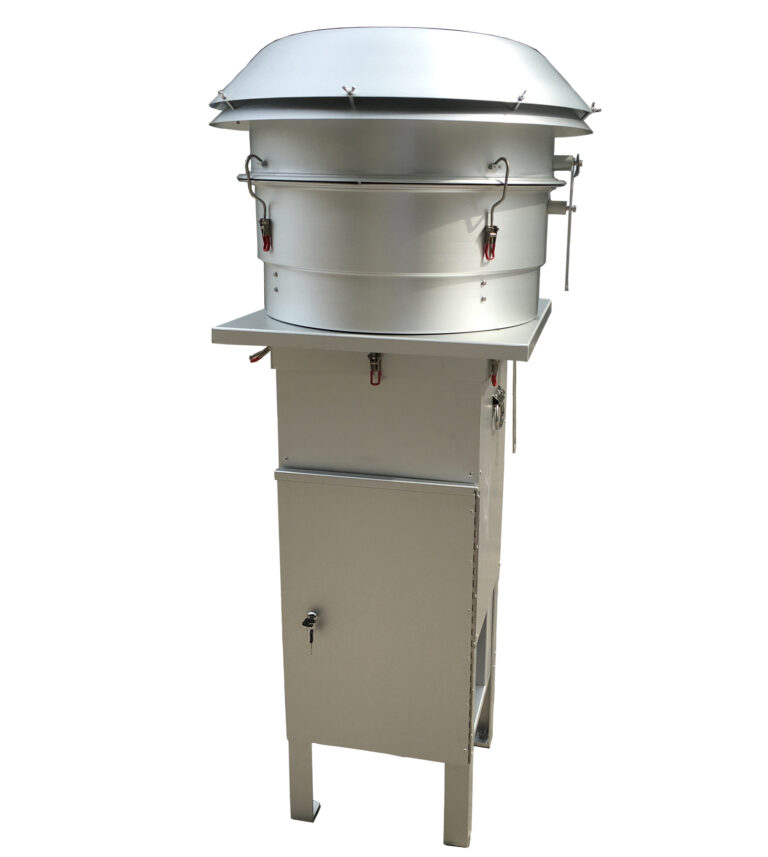
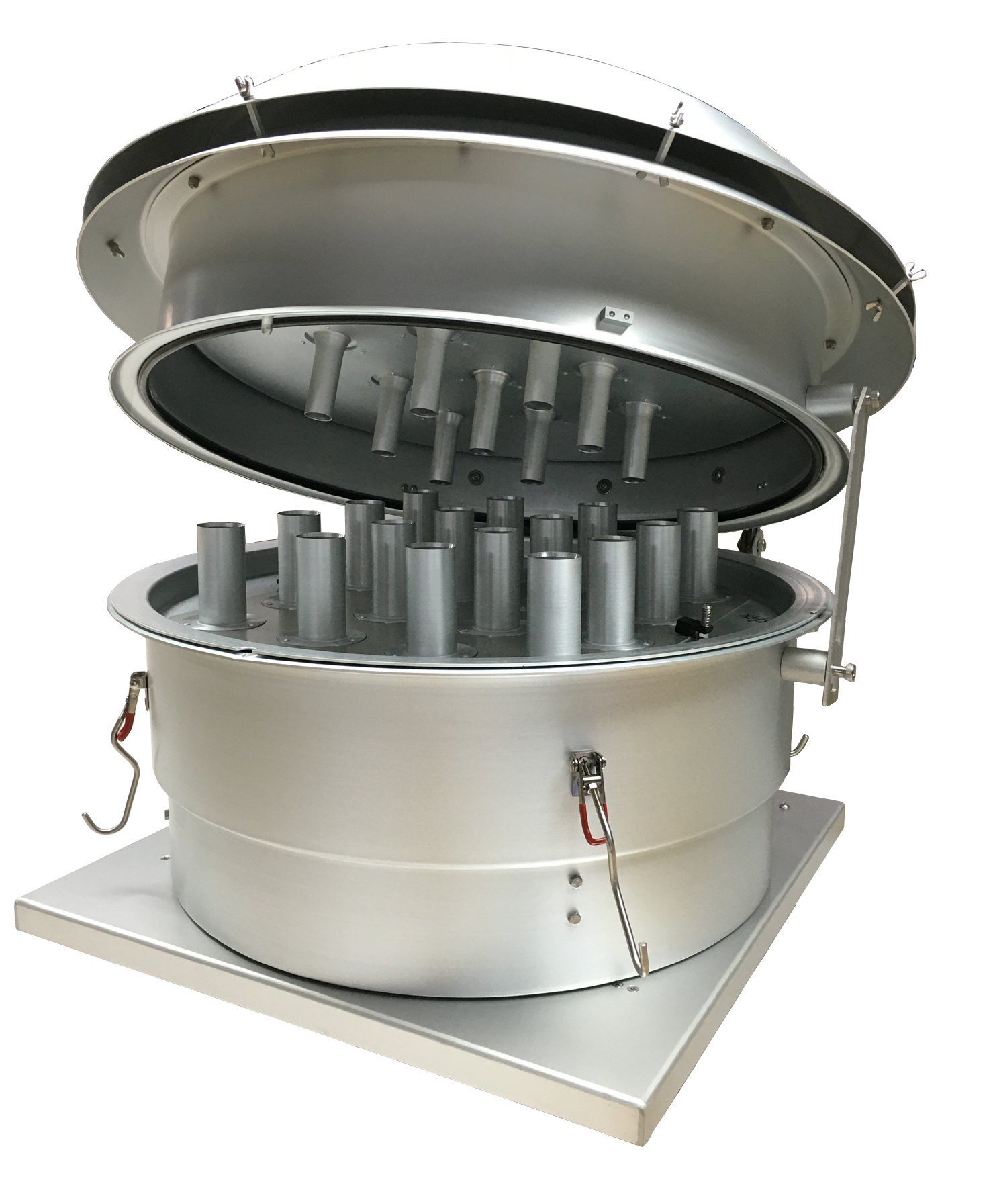
Air sampling techniques are indispensable tools in environmental monitoring, providing vital data for understanding air quality and identifying potential hazards. T4 AIR SAMPLER is a leading air sampler supplier in China, offering a wide range of air samplers.If you are interested in it, browse our website for more product details!
Frequently Asked Questions
What is environmental monitoring?
Environmental monitoring is the systematic observation and measurement of environmental conditions, including air quality, to detect pollutants and track changes over time.
What are the main air sampling techniques?
The four main techniques are passive sampling, active sampling, grab sampling and continuous monitoring. Each differs in how the sample is collected and what it is best suited to.
How does passive sampling work?
Passive sampling relies on natural diffusion of pollutants onto a sorbent, with no pump required. It is cheap and simple but gives an average concentration over the deployment period.
How does active sampling differ from passive sampling?
Active sampling uses a pump to draw a known volume of air through a filter or sorbent, giving greater control over flow rate, sample volume and detection limits.
What is grab sampling used for?
Grab sampling captures a single air volume at one moment, usually in a bag or canister. It is useful for identifying an unknown contaminant or checking a suspected leak.
How do weather conditions affect air sampling?
Wind patterns and direction change the pollutant concentration reaching the inlet, while temperature and humidity affect filter performance, flow calibration and particle behaviour.