Air pollution is a significant concern worldwide, affecting both the environment and human health.To address this issue, scientists and environmental organizations employ a variety of technologies to monitor and assess air quality. Two common instruments employed for this purpose are the Total Suspended Particulate (TSP) sampler and the Particulate Matter (PM) 2.5 sampler. In this article, we'll explore the differences between TSP and PM2.5 samplers to better understand their roles in environmental monitoring.
Total Suspended Particulate (TSP) Samplers
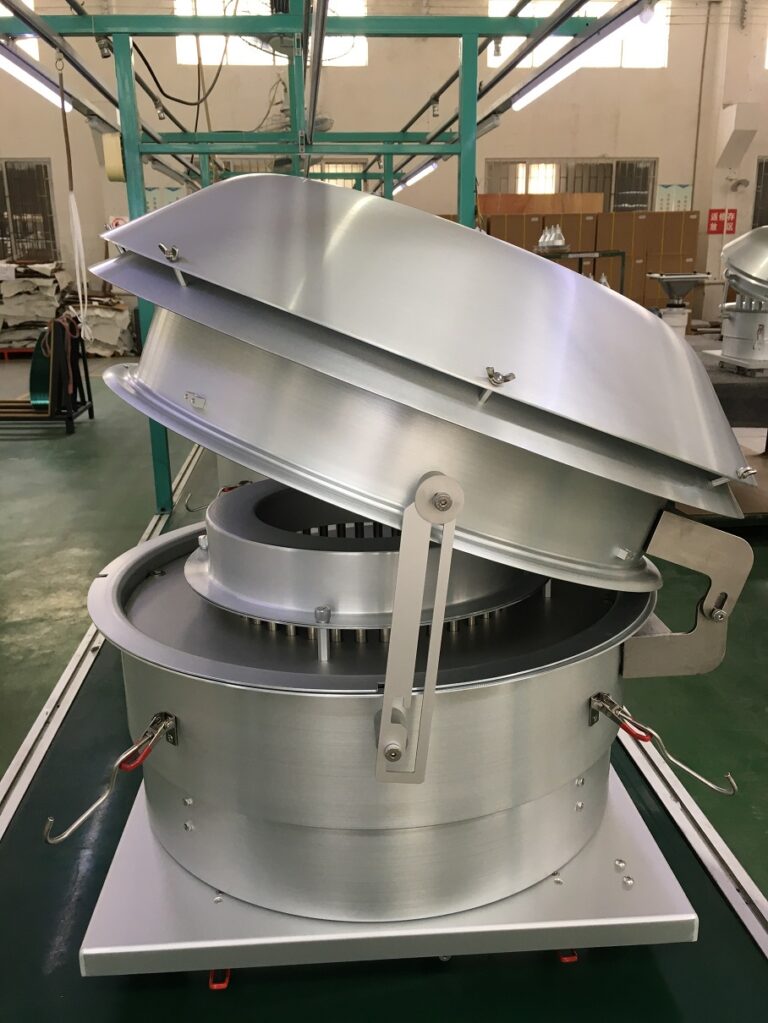
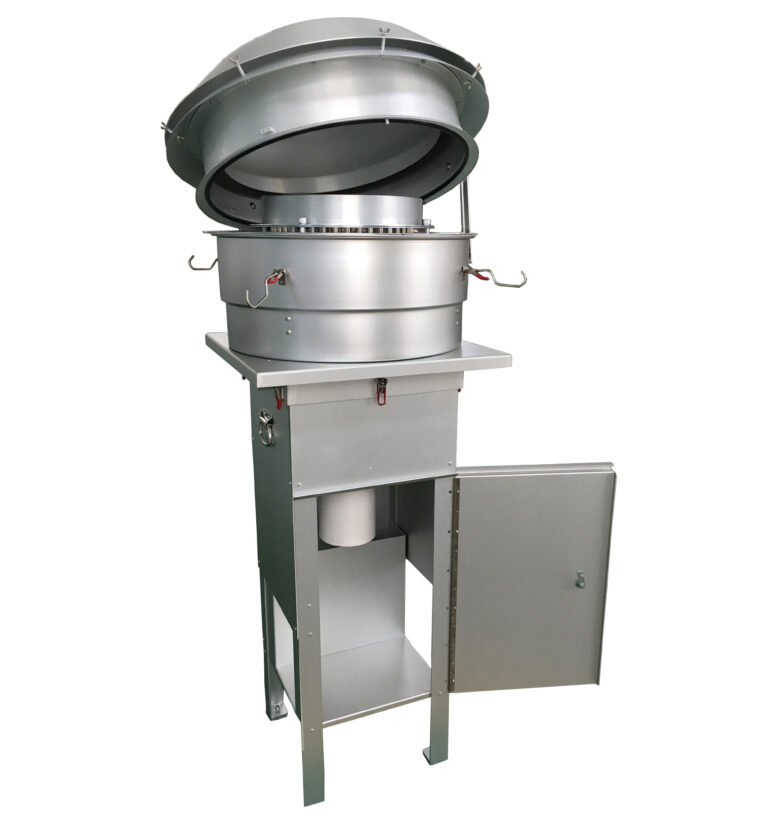
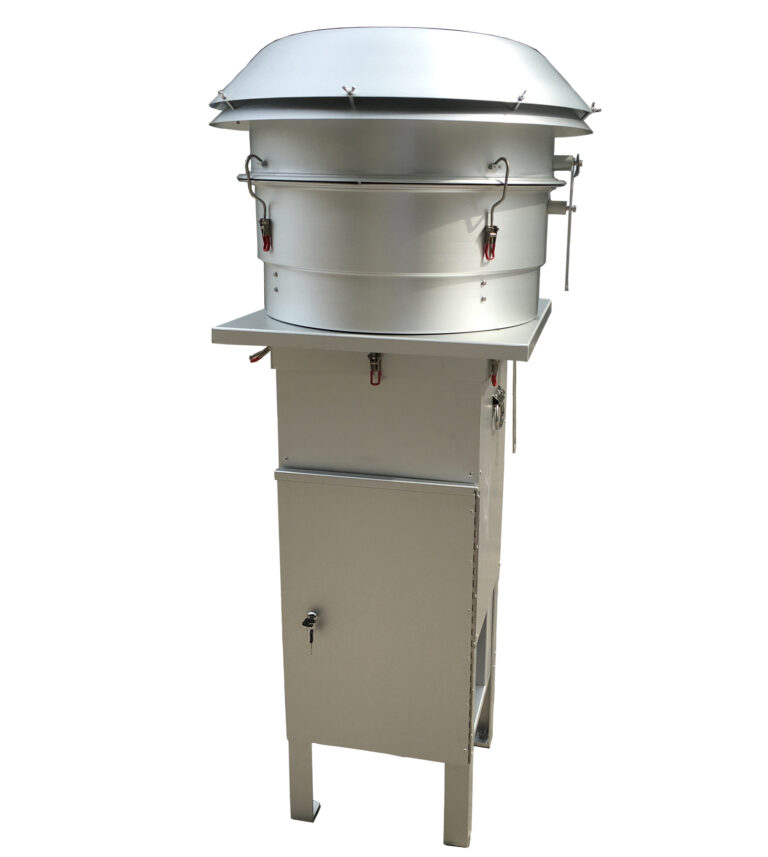
Total Suspended Particulate (TSP) samplers are designed to catch all airborne particles, regardless of size, in the air. TSP samplers catch not just small particles, but also bigger particles including dust, pollen, and coarse particulate matter. TSP samplers are usually equipped with a high-flow rate that allows them to capture a large volume of air over a specific period. The collected samples are then analyzed to determine the mass concentration of all particulate matter in the air.
TSP samplers have been used for decades and are particularly useful in assessing air quality in areas where a broad overview of airborne particles is needed. They give a comprehensive picture of air quality and are particularly helpful in identifying pollution sources such as industrial emissions or dust storms.
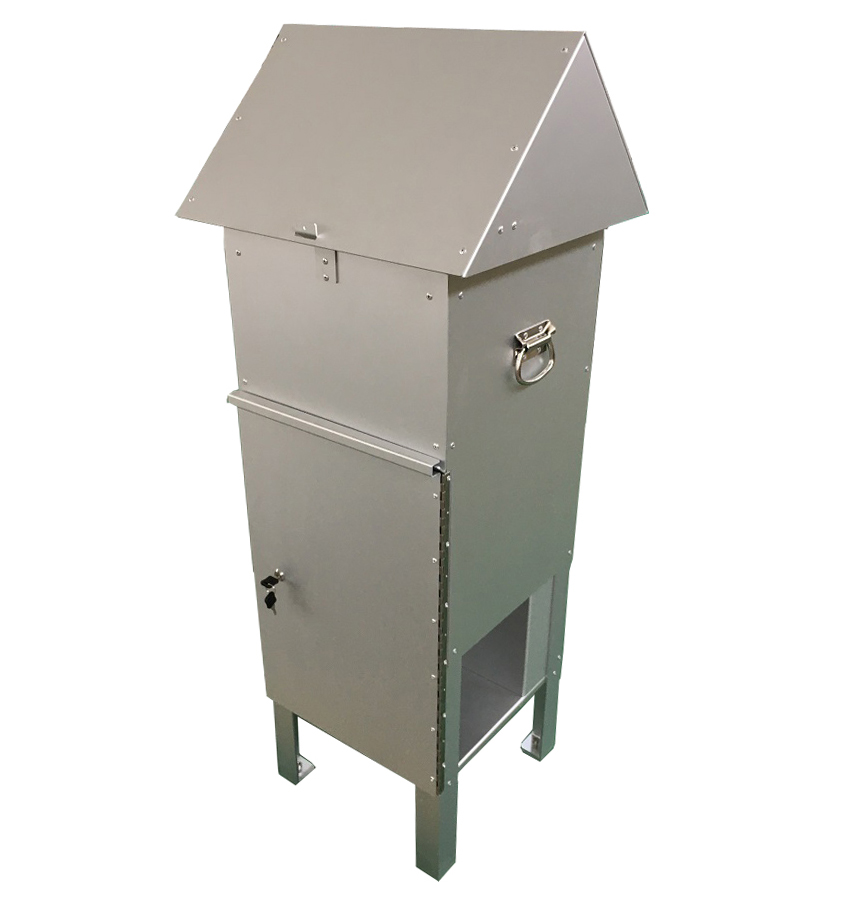
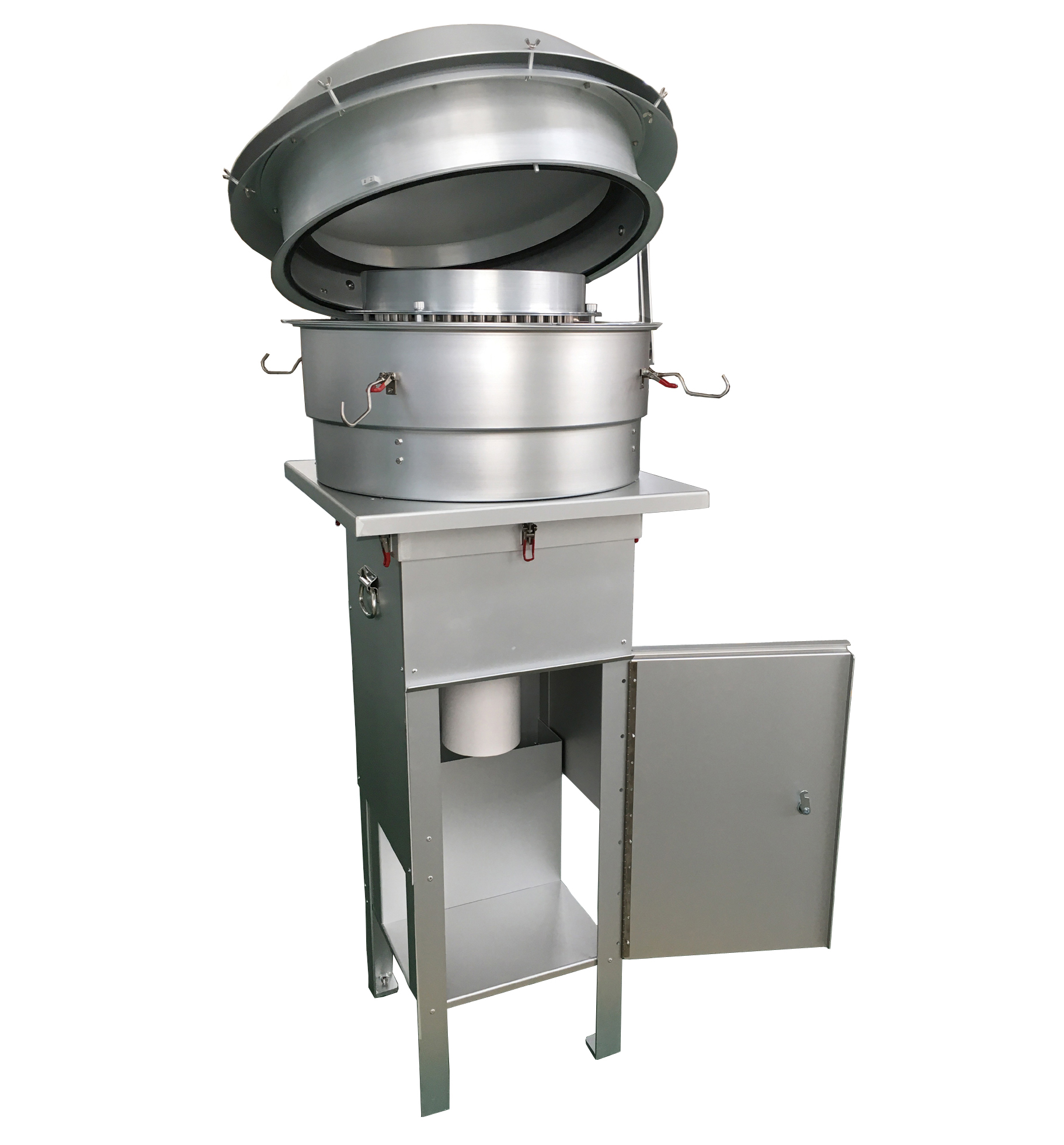
TSP Cabinet For Outdoor Air Sampling Equipment
Particulate Matter (PM2.5) Samplers
Particulate Matter (PM) 2.5 samplers, on the other hand, are designed to collect and measure only the fine particulate matter with a diameter of 2.5 micrometers or smaller. These small particles are recognized to be especially dangerous to human health because they can penetrate deep into the respiratory system, producing a variety of health concerns such as respiratory disorders, heart disease, and even early death.
PM2.5 samplers typically have a lower flow rate compared to TSP samplers, which allows them to capture finer particles effectively. The collected samples are then analyzed to determine the mass concentration of PM2.5 in the air. This information is critical for measuring the influence of air pollution on human health and is used to set air quality guidelines and regulations aimed at safeguarding public health.
Distinguishing TSP From PM2.5 Samplers
Particle Size Range
The primary distinction between TSP and PM2.5 samplers is the range of particle sizes they capture. TSP samplers gather particles of all sizes, offering a more comprehensive picture of airborne particulate matter, whereas PM2.5 samplers target tiny particles with a dimension of 2.5 micrometers or less.
Application And Purpose
TSP samplers are ideal for scenarios requiring a full overview of air quality, such as in industrial and regulatory settings. For a more comprehensive evaluation, they include all particulate matter, including bigger particles. On the other hand, PM2.5 samplers are indispensable for monitoring and managing air quality in areas where fine particulate matter poses a substantial risk, such as urban centers with high traffic-related emissions.
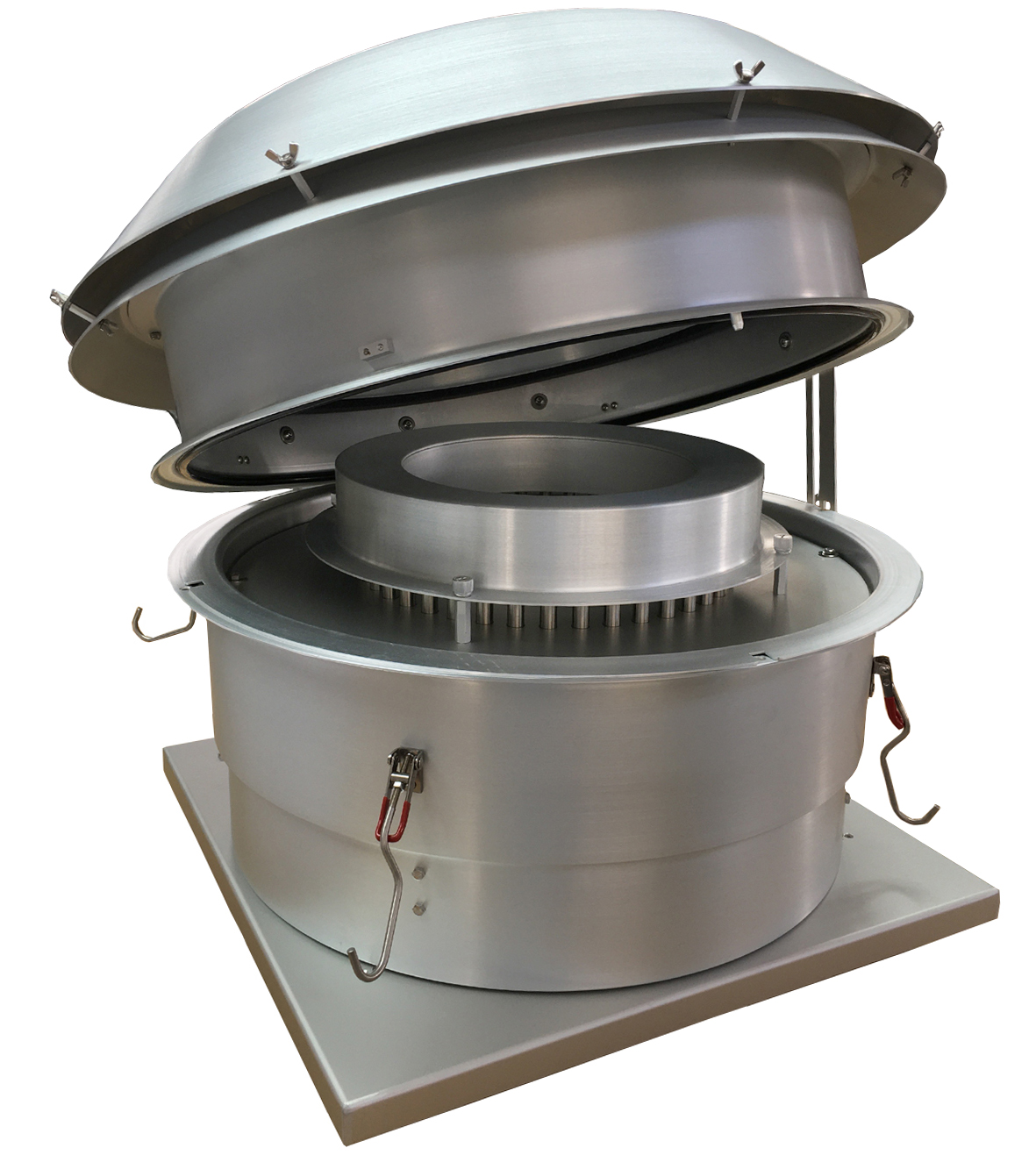
PM2.5 Filter For Outdoor Air Sampler
Health Implications
TSP measurements contribute valuable data for evaluating the impact of airborne particles on human health. However, due to the inclusion of larger particles, they may not offer a complete assessment of the risks associated with fine particulate matter. PM2.5 samplers, on the other hand, provide a direct measure of the fraction of particles most likely to affect human health adversely, offering a more precise and health-centric assessment.
Conclusion
Both TSP and PM2.5 samplers are indispensable tools in air quality monitoring, with distinct applications and areas of emphasis. Whether you are looking for TSP air samplers or PM2.5 air samplers, T4 AIR SAMPLER is ideal for you. Get in touch with us for more product details!
Frequently Asked Questions
What is the difference between a TSP and a PM2.5 air sampler?
A TSP air sampler collects total suspended particulate, covering all airborne particles up to roughly 100 micrometres. A PM2.5 sampler uses a size-selective head to capture only particles of 2.5 micrometres or smaller.
Which sampler should I choose, TSP or PM2.5?
Choose TSP when you need an overall dust loading figure or to assess total emissions. Choose PM2.5 when the objective is human health risk, since fine particles penetrate deepest into the respiratory system.
What particle size range does each sampler cover?
TSP sampling captures the full suspended particle range, while PM2.5 sampling is restricted to fine particles at or below 2.5 micrometres. PM10 sampling sits between the two.
Why does particulate size matter for health?
Particles of 2.5 micrometres and below reach the alveoli and can enter the bloodstream, so they carry the greatest health risk. Larger particles are largely filtered by the upper airways.
What are the typical applications of each sampler?
TSP samplers suit ambient dust studies, mining and construction monitoring and emission inventories. PM2.5 samplers suit health studies, urban air quality networks and regulatory PM2.5 reporting.
Can one T4 AIR SAMPLER cover both TSP and PM2.5?
T4 AIR SAMPLER offers high volume samplers with interchangeable TSP, PM10 and PM2.5 inlets, so a single platform can be reconfigured for different monitoring programmes.