
PM2.5 Air Sampler for Fine Particulate Monitoring
This page introduces the T4 AIR SAMPLER PM2.5 air sampler family for outdoor fine particulate monitoring. It explains how a 2.5 micrometer cut point is produced by an impactor or by a cyclone, and why a very sharp cut cyclone is preferred where the cut point must be tight. It then covers our 40 nozzle PM2.5 inlet heads, high volume housing assemblies, low volume cyclones, filter media, selection, materials, calibration, applications, packing and OEM ordering.
What PM2.5 Is and How a PM2.5 Air Sampler Works
PM2.5 is particulate matter with an aerodynamic diameter of 2.5 micrometers or less. The fraction is produced by combustion, secondary aerosol formation and mechanical processes, and it stays airborne for long periods because it is small and light. A PM2.5 air sampler separates that fraction from the wider aerosol and collects it on a filter for weighing or chemical analysis.
The cut point can be produced in two ways. An impactor turns the airstream sharply and captures oversized particles on a plate, while a cyclone spins the air and throws larger particles to the wall and into a collection cup. The cyclone design gives a sharper cut point, which matters when a program must stay close to the 2.5 micrometer definition.
After sampling, the loaded filter is conditioned and weighed for gravimetric mass, or extracted and analyzed for elements, ions or organic species. The PM2.5 to PM10 ratio at a site is a common reporting figure, since it shows how much of the particulate load is in the fine mode.
Impactor versus Cyclone: Why the Cut Point Sharpness Matters
Both devices select 2.5 micrometers, but they do it with different geometry. An impactor relies on a nozzle and a plate, so its cut is influenced by grease on the plate, by handling and by wear at the nozzle edge. A standard cyclone (SCC) uses a tangential inlet and a vortex, and a very sharp cut cyclone (VSCC) refines that shape so that the collection efficiency curve is steeper.
A sharper cut means less coarse material is counted as fine, which keeps a network comparable with the reference definition. Cyclones are also easier to keep clean in the field, since the collected oversize fraction sits in a cup that can be emptied without disturbing the nozzle or the filter.
PM2.5 Air Sampler Models and Configurations We Build
For high volume work we build the PM2.5-HV inlet head with 40 stainless steel nozzles and complete PM2.5 high volume sampler housing assemblies in MFC or VFC flow controlled form. Matching parts include the PM10/PM2.5 filter holder, filter and motor housing sets, and the MFC and VFC blower motor housings.
For low volume work the range covers the PM2.5 cyclone in SCC and VSCC versions, the PM2.5 impactor, the PM10 and PM2.5 low volume inlet assembly with a cyclone, the double channel low volume sampler that collects PM10 and PM2.5 at the same time, the 47 mm glass fiber filter paper, PTFE membrane filter paper with 1.0 micrometer pores, the 47 mm filter support screen and the low volume filter holder.
| Inlet | Cut point | Notes |
|---|---|---|
| PM2.5 impactor | 2.5 micrometers | Plate collects the oversize fraction |
| SCC cyclone | 2.5 micrometers | Standard sharp cut, cup collection |
| VSCC cyclone | 2.5 micrometers | Sharper collection efficiency curve |
How to Choose a PM2.5 Air Sampler
Decide first whether the program needs a high volume or a low volume unit. High volume sampling is chosen when a large mass of fine particulate is needed for gravimetric work or for a second analysis, while low volume units on 47 mm media suit compact shelters and denser station networks.
The cut device is the next choice. A cyclone is usually preferred where a sharp, stable cut point and easy field cleaning matter, while an impactor is used where the existing method calls for one. Check the reporting standard, because it normally fixes the inlet geometry and the flow rate that the sampler must hold.
Flow control follows the same logic as our other sampler families. An MFC unit corrects mass flow for temperature and pressure electronically and keeps the recorded volume stable, while a VFC unit holds volumetric flow with a Venturi tube and is simple to service. Finally, decide how complete the unit should be, since most buyers take an SKD metal housing set and fit their own electronics.
- a PM2.5 inlet with a cyclone or an impactor
- a matched filter holder and 47 mm filter media
- an MFC or VFC blower housing with a 120 V or 240 V motor
- a double channel housing for PM10 and PM2.5 together
Materials, Finish and Manufacturing
Inlet bodies, nozzle plates and housings are produced in aluminum alloy and stainless steel. Stainless steel is used for nozzle plates and parts that meet the sample stream, and aluminum alloy keeps cabinets light for rooftop work. The standard finish is high brushed and clear anodized, which protects the surface in coastal and industrial air without a painted layer.
Manufacturing relies on metal spinning for round inlet parts, machining for the 40 nozzle plates and threaded connections, and laser cutting and bending for cabinets and brackets. Spinning gives the sample path a smooth internal surface and machining holds the nozzle geometry that sets the cut point, so the parts are trial fitted before packing.
Installation, Calibration and Maintenance
Mount the sampler with the inlet at breathing height and clear of walls, vents, stacks and exhausts, and orient it away from the prevailing wind. Bolt the cabinet to a base or mast, and size the power feed for the motor voltage ordered. Level the inlet, filter holder and blower section, and make sure the filter seals cleanly on its holder.
Calibration depends on the flow control type. MFC units are checked against a primary or transfer standard flow meter and adjusted until indicated flow matches measured flow across the working range. VFC units are verified by confirming that the Venturi holds the design flow and by checking pressure taps and tubing for leaks. Record flow checks, filter lot numbers and sampling times with every sample.
Maintenance is routine. Clean the inlet and the cyclone cup or impactor plate, replace gaskets and seals when they harden, and confirm that the blower runs without vibration. Filters are conditioned, weighed and handled with flat forceps, and 47 mm discs are stored flat and dry before use.
Applications and Industries
PM2.5 samplers are used by environmental agencies running national and regional networks, by integrators building stations for municipal and industrial clients, and by research groups studying combustion aerosol, urban air and regional haze. The same hardware supports health and exposure studies and industrial boundary monitoring where the fine fraction is the one of interest.
Packing, Shipping and OEM Ordering
Housing sets are packed so that panels, spun parts and nozzle plates travel without contact damage, and inlet heads travel in their own cartons. Cartons are sized for sea and air freight and marked to match your packing list. Standard models ship from stock, and OEM versions with a custom housing, nozzle pattern or finish take about 10 to 15 days.
We build for distributors and integrators who sell under their own brand. OEM work covers housings, inlet heads, nozzle plates, filter holders and cabinets made to your drawing, with your badge, finish and packing. Send the fraction, cut device, flow control type, motor voltage, finish and the electronics you plan to fit, and we will confirm the matching model.
PM2.5 Air Sampler Available from T4 AIR SAMPLER
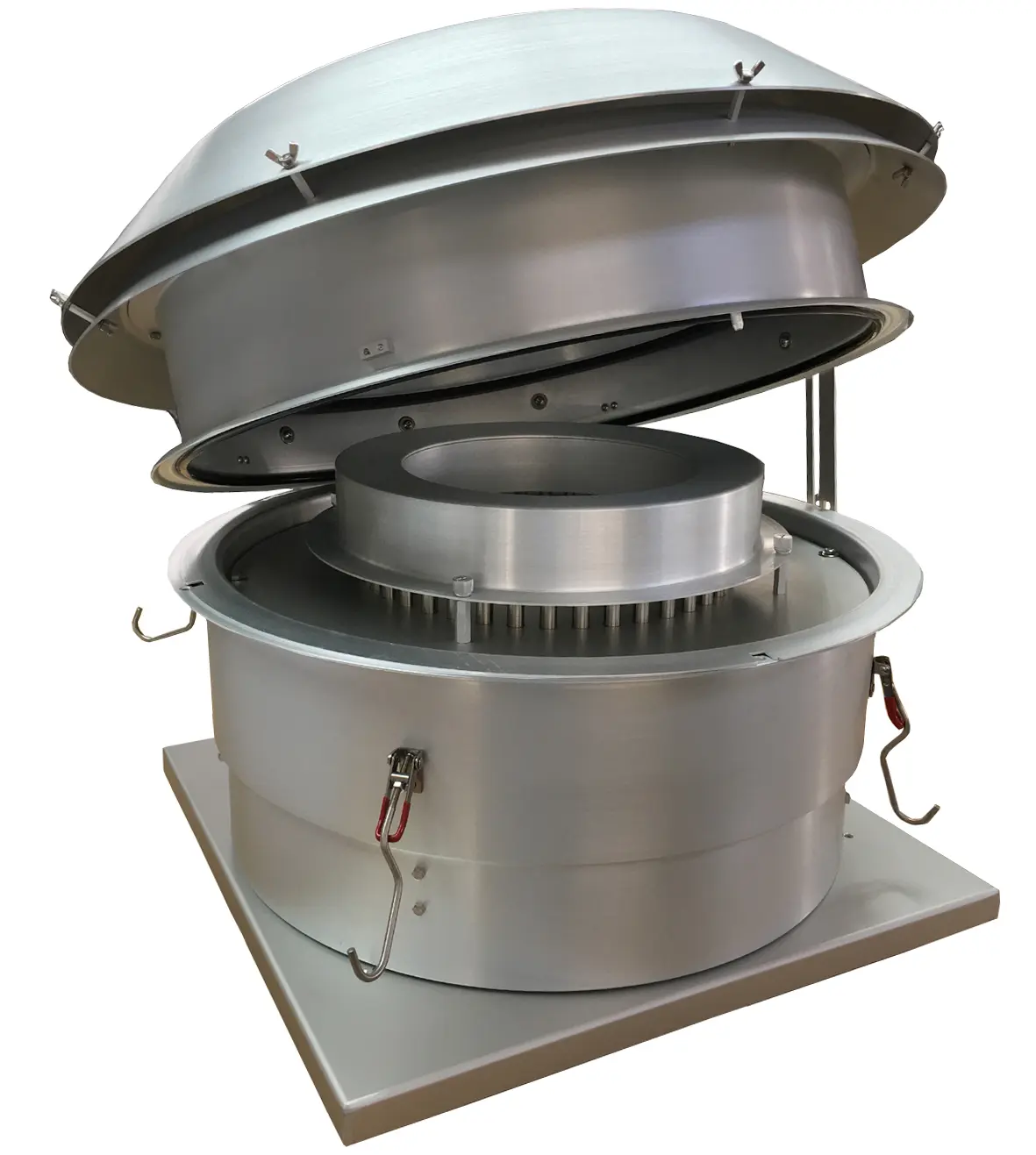
PM2.5 High Volume Air Sampler Inlet Head
PM2.5 head with 40 stainless steel nozzles for fine particulate high volume sampling.
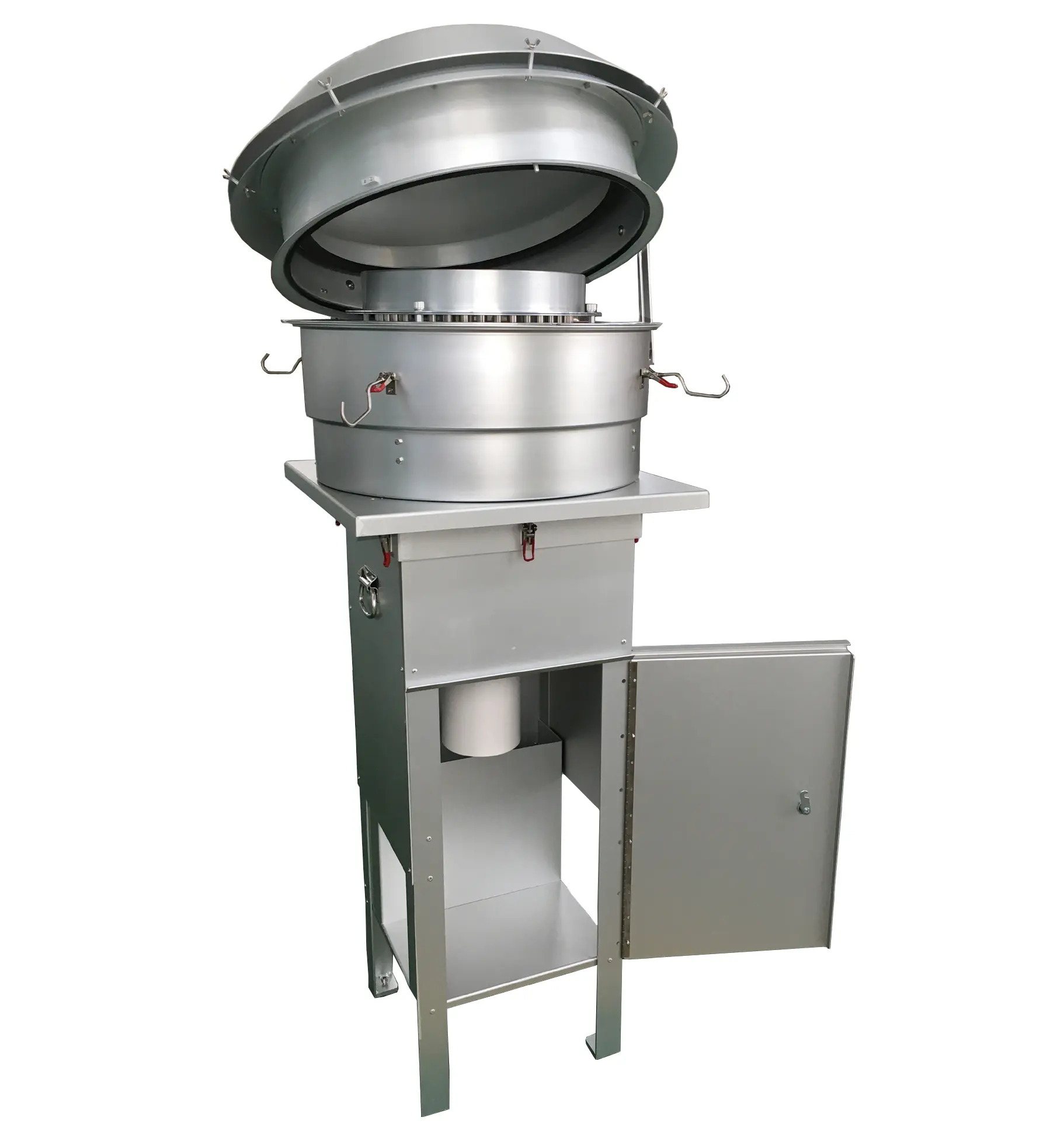
PM2.5 High Volume Air Sampler Metal Housing
PM2.5 high volume air sampler housing assembly ready for your own electronic parts.
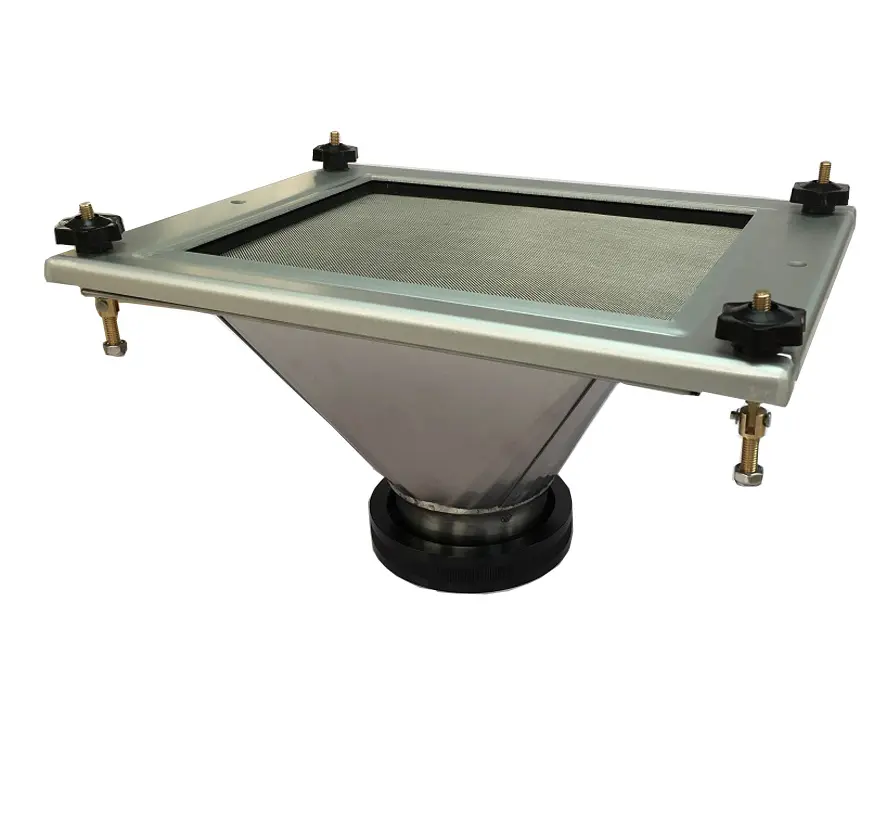
PM10/PM2.5 Filter Holder for Outdoor Air Sampler
PM10 filter holder for air sampler systems, stainless steel with aluminum cover.
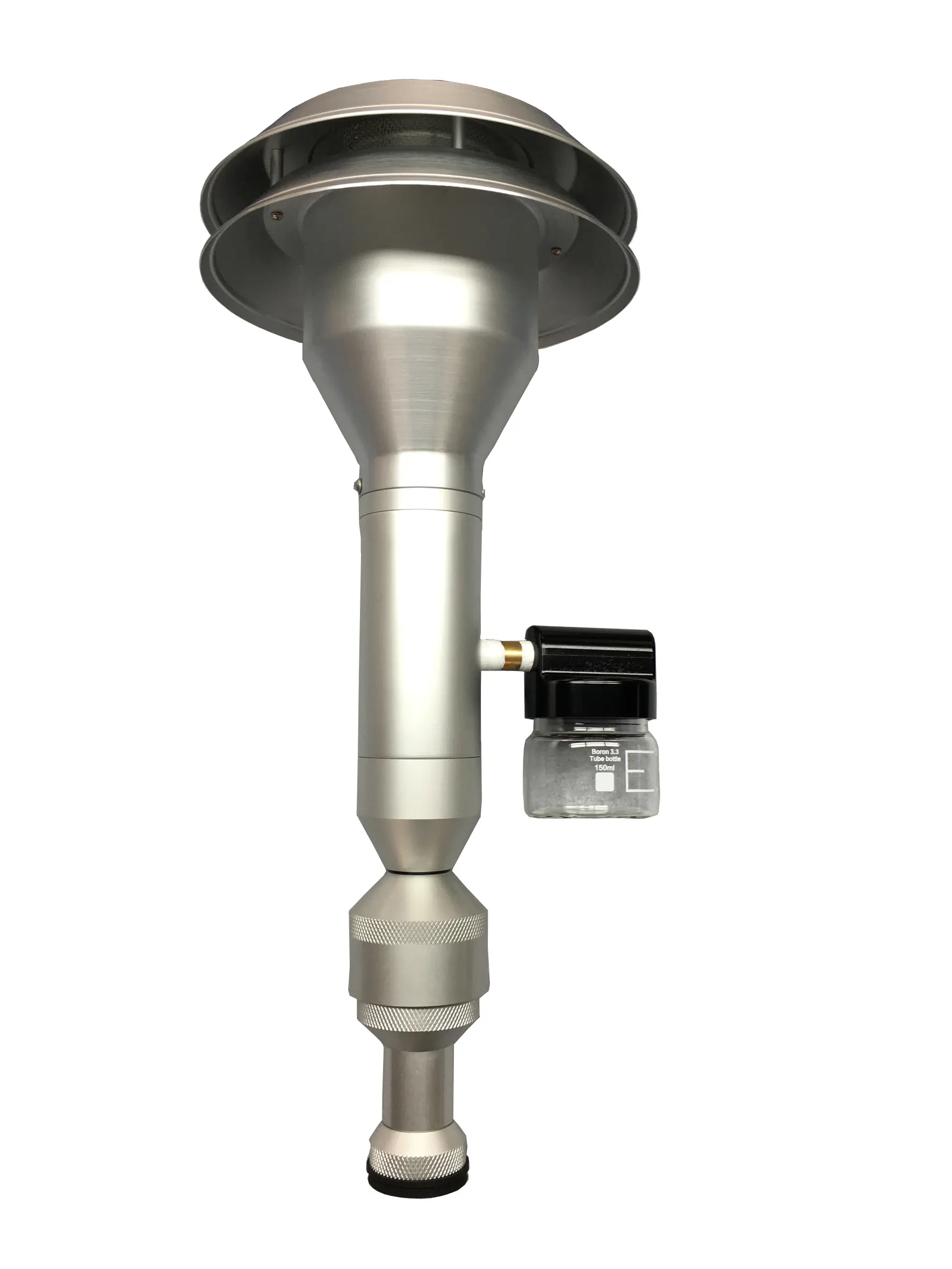
PM10 Low Volume Inlet and PM2.5 Impactor
PM10-LV low volume inlet combined with a PM2.5 impactor for two size fractions in one train.
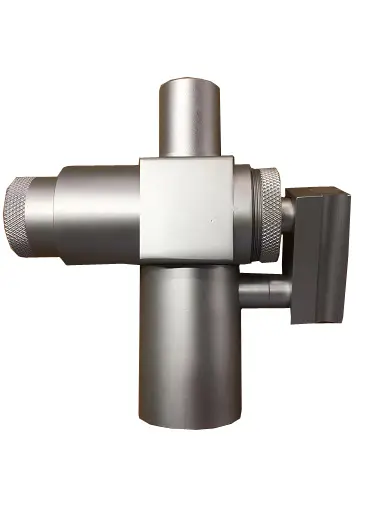
PM2.5 Cyclone Filter for Low Volume Air Sampler
PM2.5 filter cyclone (SCC) for low volume air sampler systems.
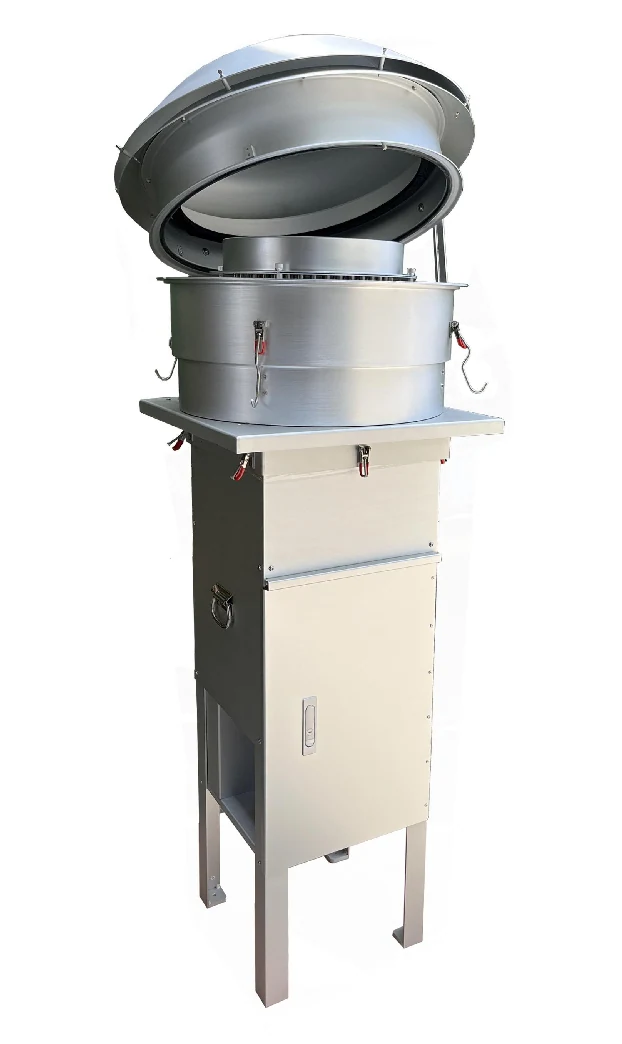
PM2.5 High Volume Air Sampler with MFC / VFC
PM2.5 high volume air sampler available with MFC or VFC flow control.
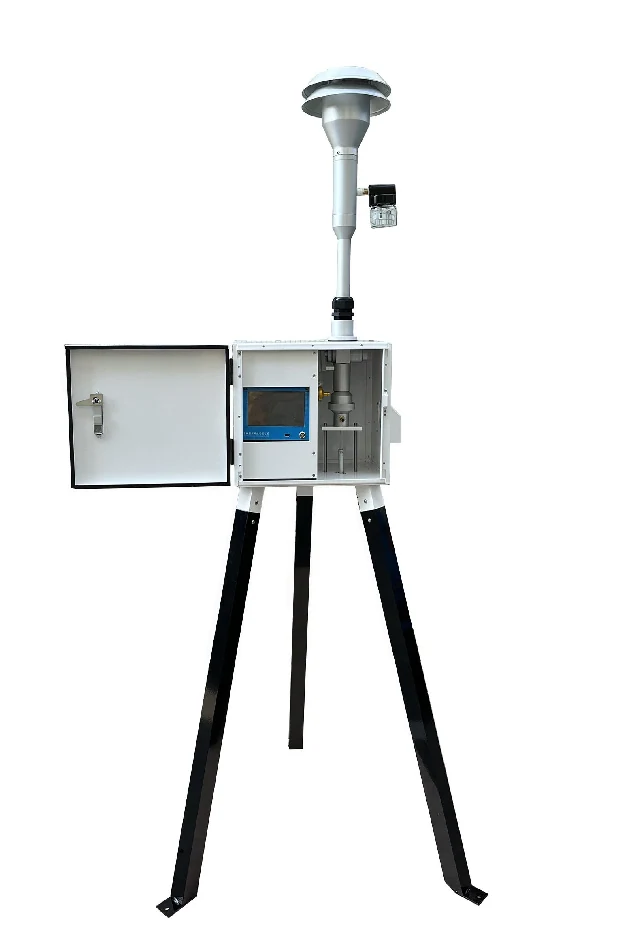
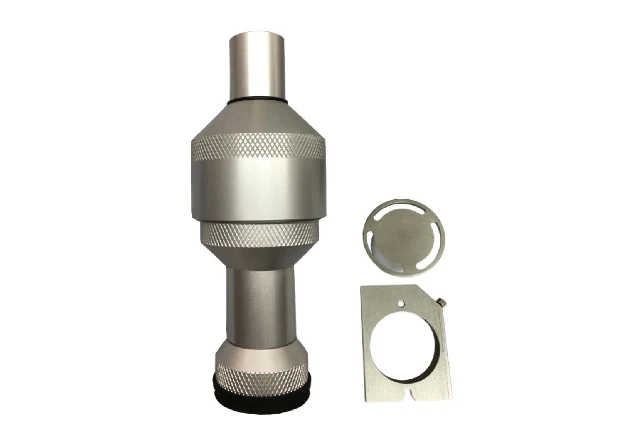
PM2.5 Impactor for Low Volume Air Sampler
PM2.5 impactor for low volume air sampler trains and PM10 low volume inlets.
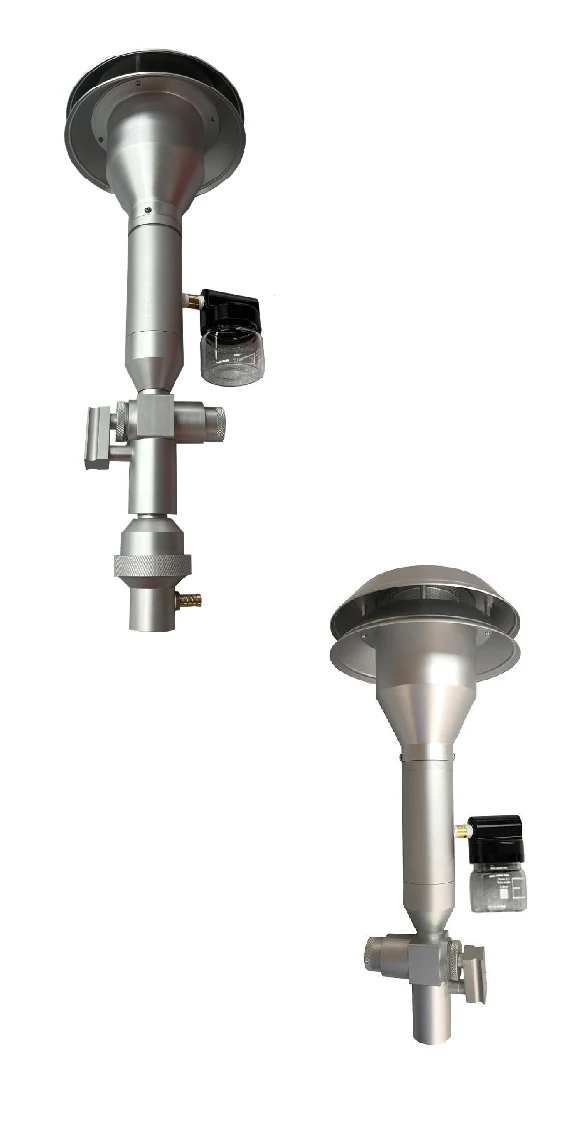
PM10 & PM2.5 Low Volume Inlet with Cyclone
PM10 low volume inlet cyclone assembly that collects PM10 and PM2.5 in one visit.
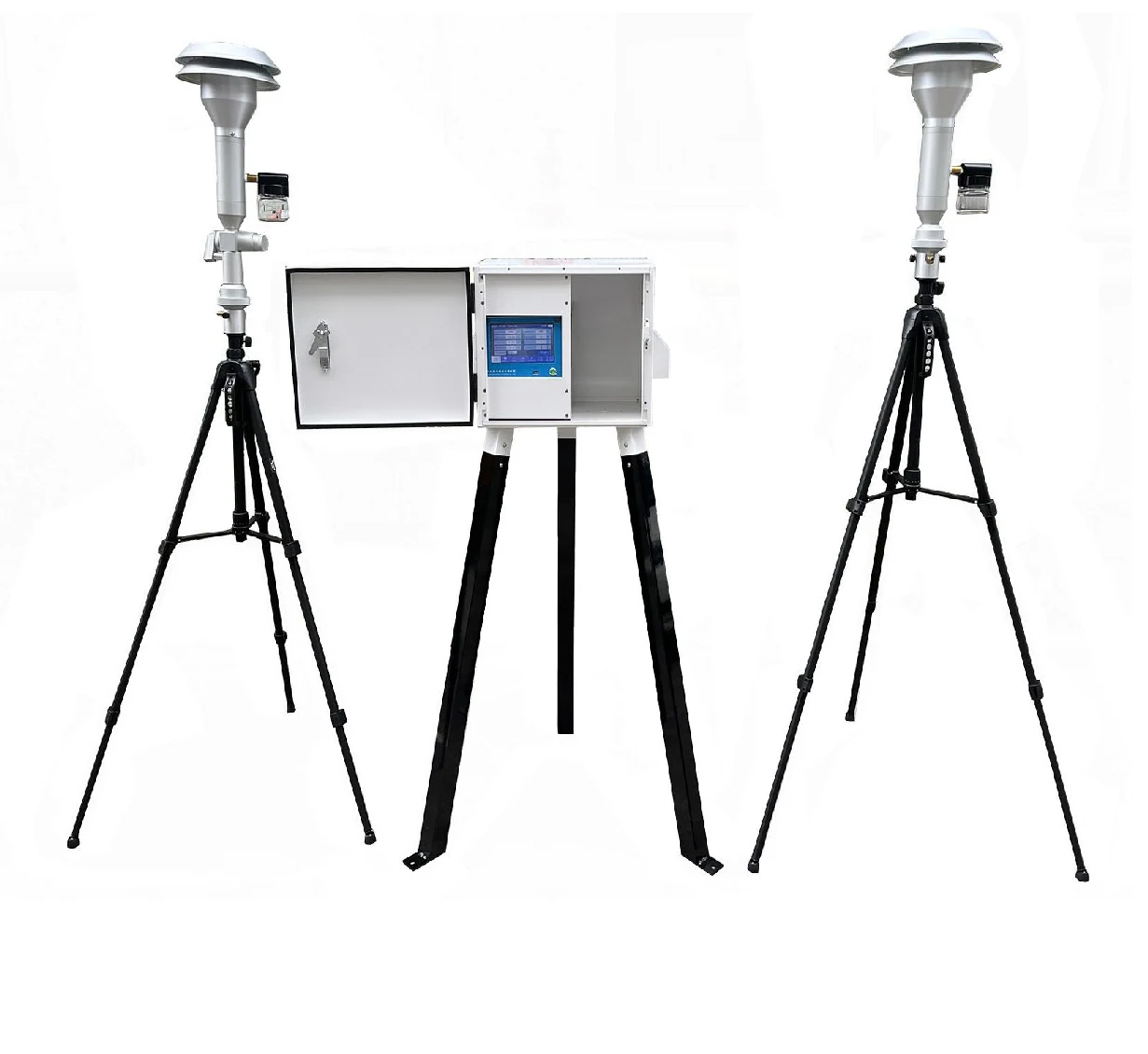
PM10 & PM2.5 Low Volume Double Channel Sampler
Double channel air sampler running PM10 and PM2.5 at the same time from one cabinet.
Frequently Asked Questions
What is the difference between a cyclone and an impactor for PM2.5?
Both produce a 2.5 micrometer cut, but a cyclone spins the airstream and collects the oversize fraction in a cup, which gives a sharper efficiency curve and is easy to clean in the field. An impactor uses a nozzle and a plate, and its cut is more sensitive to grease, handling and nozzle wear. Choose the device your reporting method names.
Why would a program use a very sharp cut cyclone?
A VSCC refines the internal geometry so that the collection efficiency curve is steeper around the cut point. That means less coarse material is counted as fine, which keeps results comparable with the 2.5 micrometer definition. Programs that compare sites or track trends over several years usually prefer it.
Does the PM2.5 sampler measure mass or chemistry?
The sampler collects the sample; the analysis happens in the laboratory. Conditioning and weighing the filter gives gravimetric mass, and extraction allows analysis for elements, ions or organic species. The same filter media can serve both, so decide on the analysis before choosing the media.
Can the same housing collect PM10 and PM2.5?
Yes. Our double channel low volume sampler runs both fractions at once from one housing. High volume PM2.5 work uses the 40 nozzle PM2.5 inlet head on a high volume assembly, while PM10 uses the PM10 inlet head on the same platform.
What filter media do you supply for PM2.5?
We supply 47 mm glass fiber filter paper, PTFE membrane filter paper in 47 mm with 1.0 micrometer pores, and 47 mm filter support screens, along with 8 x 10 inch glass fiber filter paper for high volume units. Glass fiber is the usual choice for gravimetric mass, and PTFE membrane where chemical analysis follows.
Send us your flow rate, size fraction and site conditions - we will recommend the right configuration and quote within one working day.
Request a Quote