
Low Volume Air Sampler for PM10 and PM2.5 Monitoring
A low volume air sampler pulls air through a size-selective inlet and a 47 mm filter disc at a modest flow, usually 16.7 L/min or one cubic meter per hour. That low flow makes the train small, quiet and easy to run from a rechargeable battery, and it makes the sampler practical on a pole or a rooftop where no mains power is available. T4 AIR SAMPLER builds the inlets, impactors, cyclones, filter holders, cabinets and pumps as one matched set, in single channel and double channel versions.
What a Low Volume Air Sampler Is and How It Works
A low volume air sampler draws ambient air through a size-selective inlet and then through a filter disc at a low, controlled flow rate, typically 16.7 L/min, which is one cubic meter per hour. The inlet removes particles above its cut point, so a PM10 inlet passes particles of 10 micrometers and smaller, while a PM2.5 impactor or cyclone removes everything coarser than 2.5 micrometers before the air reaches the filter.
The filter is weighed before and after exposure, and the collected mass divided by the sampled volume gives the concentration. Since the flow is low, the pump is small, the noise level is low, and the entire train can run from a rechargeable battery at a site with no mains supply. Flow accuracy still decides the result, so a digital flow meter and a gas flow calibrator are part of normal operation.
Low Volume Sampler Configurations and the Models We Build
A low volume train is defined by three choices: the cut point you need, the number of channels you want, and how the sampler will be mounted and powered. The table below lists the parts we manufacture for that assembly.
| Part | Model | Key data |
|---|---|---|
| PM10 low volume inlet | PM10-LV | 271.5 x 247.2 x 401.4 mm, 2.8 kgs |
| PM10 and PM2.5 inlet assembly, impactor | PM10-LV-PM2.5-IPT | PM2.5 impactor fitted |
| PM10 and PM2.5 inlet assembly, cyclone | PM10-LV-PM2.5-CYC | PM2.5 cyclone fitted |
| PM2.5 low volume cyclone, SCC and VSCC | PM2.5-LV-CYC | 165 x 157 x 65 mm, 1.0 kg |
| PM2.5 impactor | PM2.5-IPT | diameter 76.2 x 205 mm, 0.7 kg |
| Connect pipe | CP-01 | diameter 38.5 x 306 mm |
| Low volume filter holder, 47 mm | PM10-FL-LV | 47 mm discs |
| Cabinet, single channel | CB-LVGT | 820 x 820 x 1420 mm, 15 kgs |
| Cabinet, double channel | CB-LVGT-D | 820 x 820 x 1320 mm, 14 kgs |
| Pump and control box | CCZ-30 / CCZ-30D | 3 to 30 L/min, rechargeable battery |
| Digital flow meter | 1 to 100 LPM | inline check of set flow |
| Gas flow calibrator | 3 to 30 LPM | plus or minus 1 percent of full scale |
The CP-01 connect pipe is a small part with a specific job. It sets the distance between the inlet and the impactor so that the flow profile is fully developed before the air reaches the impaction plate. Removing it or shortening it changes the cut point, so it should always be fitted as designed.
The double channel version samples PM10 and PM2.5 at the same time from the same height and the same airstream, which removes the siting differences that appear when two separate samplers are compared. The CCZ-30 single channel and CCZ-30D double channel pump and control boxes cover 3 to 30 L/min and include a rechargeable battery, so the train can be deployed where a power cable cannot be run.
Low Volume or High Volume: Choosing the Sampling Train
The trade-off between the two approaches is straightforward. A low volume sampler costs less, runs more quietly, can operate on battery, and is far easier to site, since a small cabinet or a single inlet on a pole needs no heavy structure. The price is a smaller collected mass: at 16.7 L/min a daily sample collects far less particulate than a high volume train at 1.13 m3/min.
In practice that means either a longer sampling period or a more sensitive analytical method. Modern microbalances handle routine gravimetric work comfortably, and low volume filters are well suited to chemical analysis because the deposit is concentrated on a small 47 mm disc. Choose low volume when you need multiple sites, quiet operation, battery power or chemical speciation. Choose high volume when you need a large mass for trace organic work or a single defensible total figure.
Materials, Finish and Manufacturing
Inlets, impactors and holders are made from aluminum alloy and stainless steel. Surfaces that face the airstream are smooth and machined so that particles do not settle on the walls before reaching the impaction plate, and impactor jets are machined to a consistent bore because the cut point depends on that dimension. External surfaces are high brushed and clear anodized, and cabinets are powder coated.
Every train is assembled and leak checked in Foshan before packing. Gaskets are fitted at the filter holder and at each joint of the inlet stack, and the supplier of a repeat order receives the same parts to the same drawing, which keeps data comparable across a monitoring network.
Installation, Calibration and Maintenance
Mount the inlet so that it faces the general airflow and stands clear of walls, exhaust vents and foliage. The inlet is usually placed at breathing height for exposure studies or higher for ambient networks, and a moveable bracket makes that positioning easy to adjust. Support the cabinet on a level surface, protect the tubing from sharp bends, and fit the connect pipe between inlet and impactor exactly as designed.
Calibrate with a gas flow calibrator before the first run and at the interval your quality system requires. Record the set flow, the measured flow and the ambient conditions, then adjust the pump or controller until they agree. Between runs, clean the impaction plate and the cyclone body, replace the filter with clean forceps, check the gasket for cuts, and keep the battery charged so that a low battery cannot shorten a sampling period.
Applications and Industries
Low volume sampling is the working method behind most routine particulate monitoring, including:
- Ambient air quality networks and community monitoring
- Industrial hygiene and workplace exposure assessment
- Indoor air studies in schools, offices and public buildings
- Research campaigns and university field work
- Tunnel, roadside and near-source comparison studies
- Filter based chemical analysis such as metals and ions
Because the same hardware accepts a PM10 inlet, a PM2.5 impactor or a PM2.5 cyclone, one inventory of parts can serve several programs, which helps operators who run more than one monitoring objective.
Packing, Shipping and Lead Time
Inlets and impactors travel in individual foam-lined cartons so that the machined edges and the impaction plate arrive undamaged. Cabinets are crated, and pumps and control boxes are boxed with the battery protected. Filter paper is shipped flat and sealed. We provide carton dimensions and weights with the packing list so freight and clearance can be planned.
Stocked parts normally dispatch quickly, and consumables such as 47 mm glass fiber or PTFE membrane filters take about 7 days to prepare. Tell us the destination and the quantity, and we will confirm the shipping method and the dispatch date.
OEM, ODM and How to Order
We supply low volume hardware to distributors, monitoring integrators and research groups under their own branding. Typical customizations include a private label, a different inlet thread or mounting plate, a modified connect pipe length for a specific cut point, a cabinet cutout for a customer supplied logger, and a control box wired for a local power standard.
To quote accurately we need the cut point, the number of channels, the filter format, the mounting arrangement, the power supply and the quantity. Send the details and we will return a configuration summary, a lead time and, where useful, drawings for approval before production.
Low Volume Air Sampler Available from T4 AIR SAMPLER
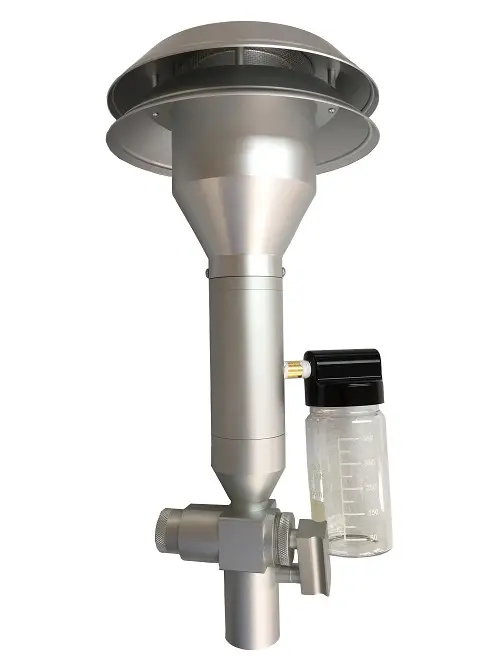
PM10 Low Volume Air Sampler Inlet
PM10 inlet low volume configuration for industrial air monitoring and dust sampling.
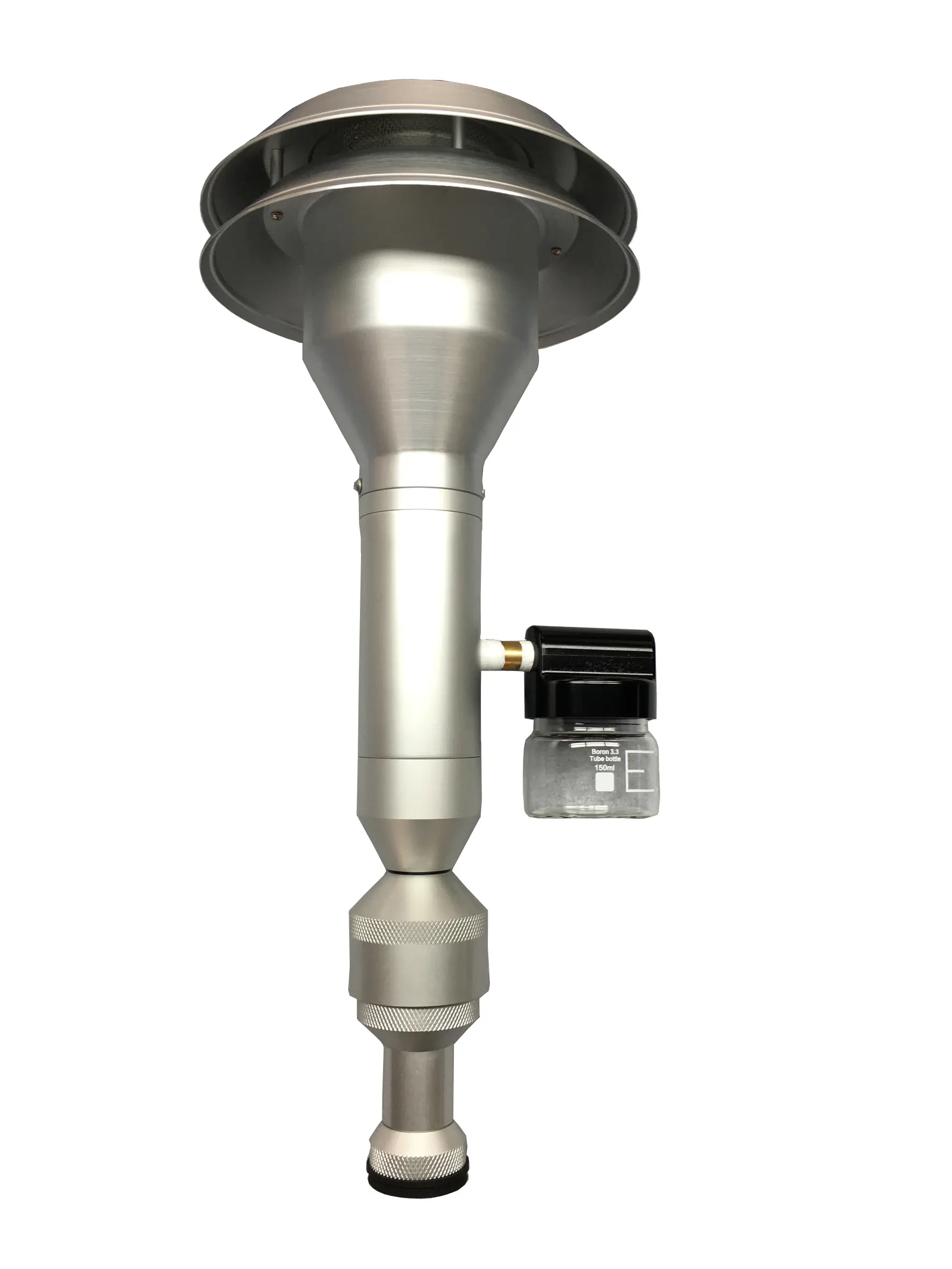
PM10 Low Volume Inlet and PM2.5 Impactor
PM10-LV low volume inlet combined with a PM2.5 impactor for two size fractions in one train.
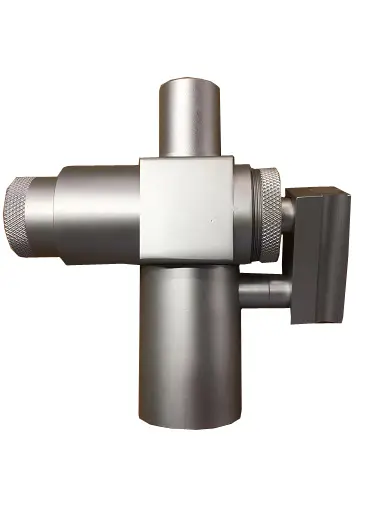
PM2.5 Cyclone Filter for Low Volume Air Sampler
PM2.5 filter cyclone (SCC) for low volume air sampler systems.
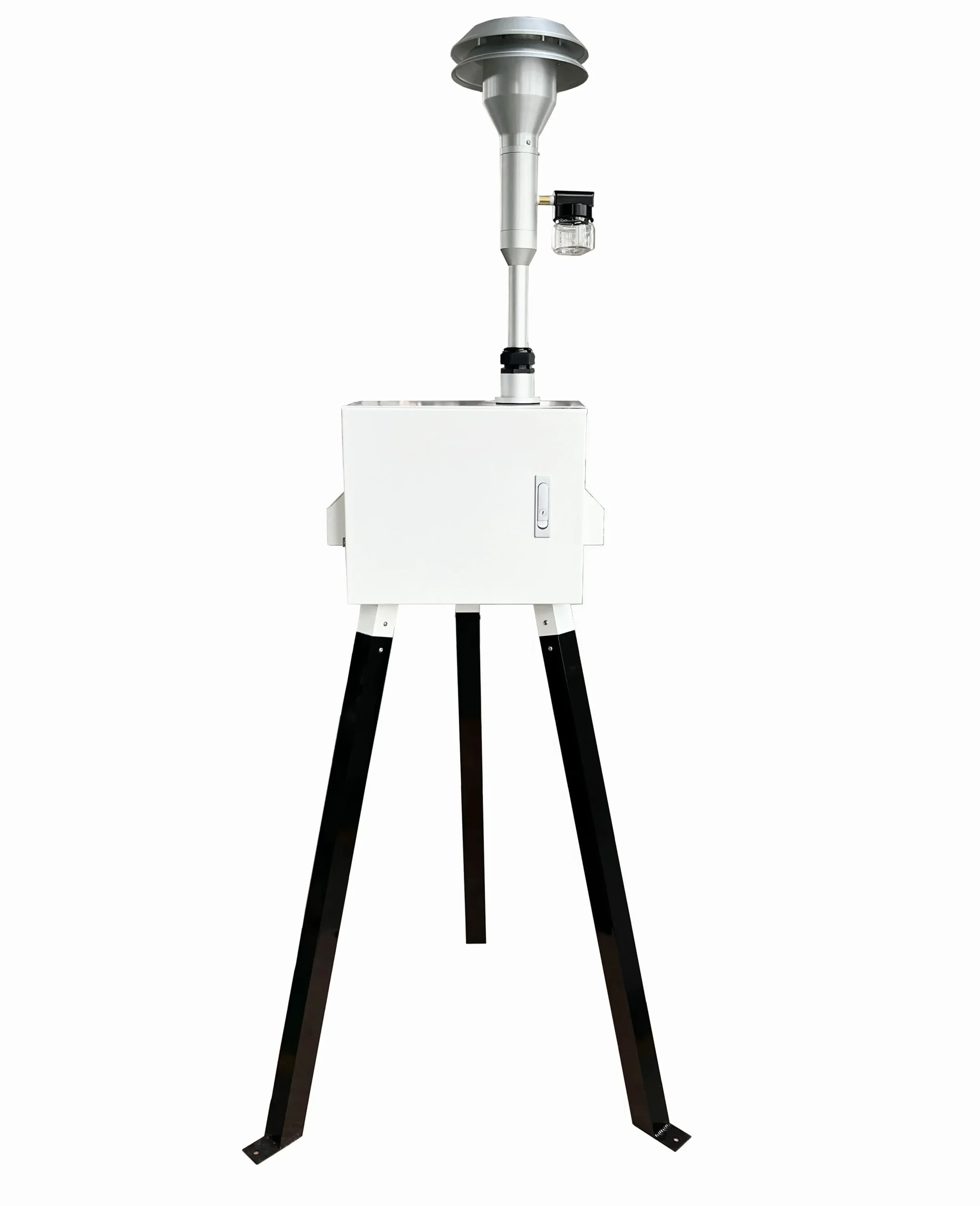
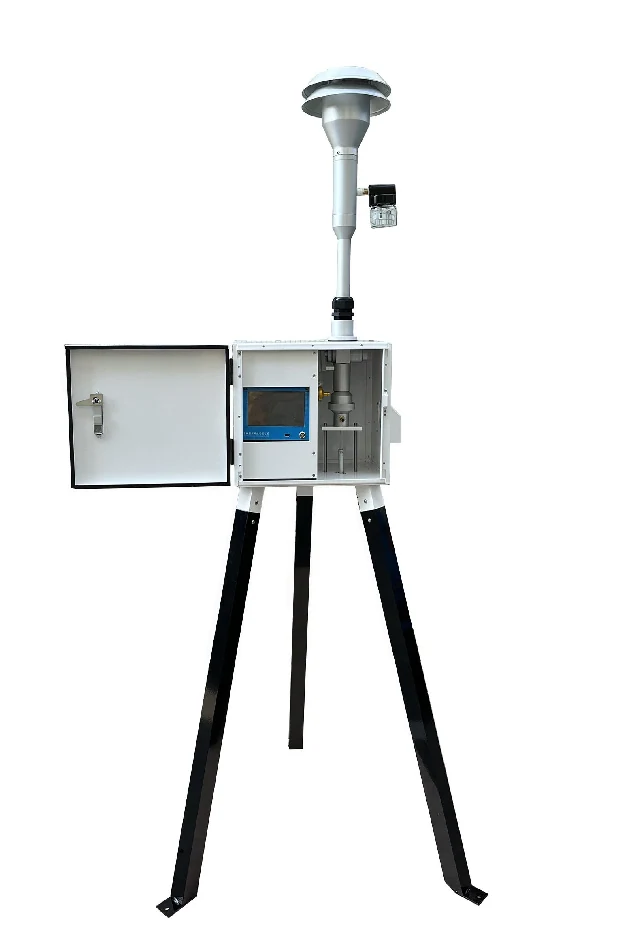
PM10-LV Cabinet for Outdoor PM2.5/PM10 Air Sampler
Weatherproof PM10-LV cabinet for outdoor PM2.5 and PM10 air sampler monitoring.
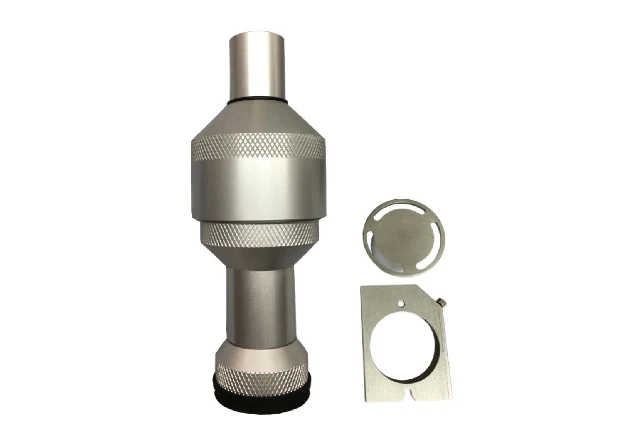
PM2.5 Impactor for Low Volume Air Sampler
PM2.5 impactor for low volume air sampler trains and PM10 low volume inlets.
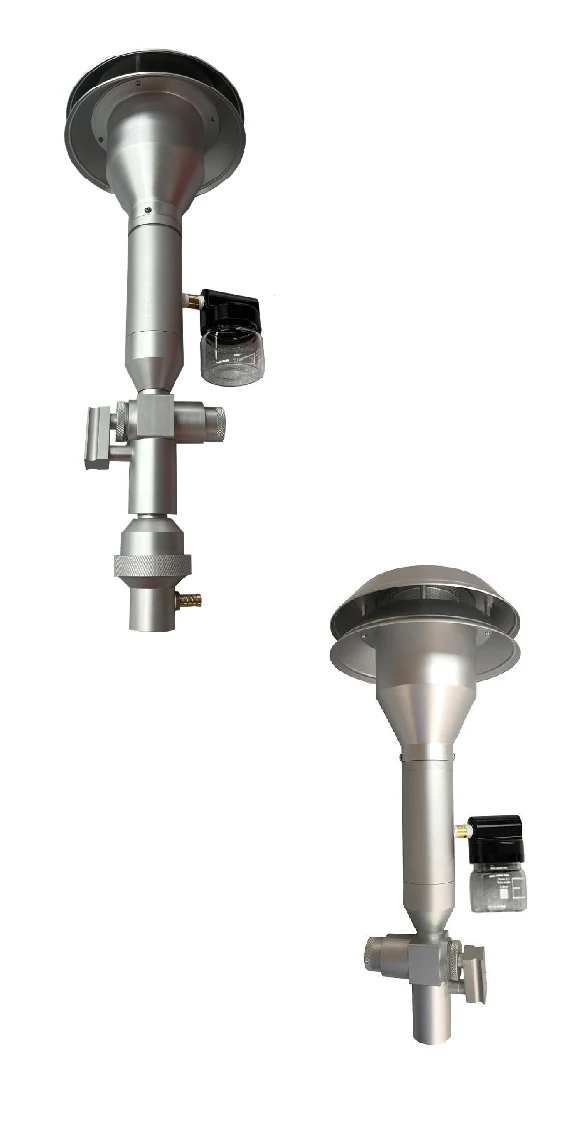
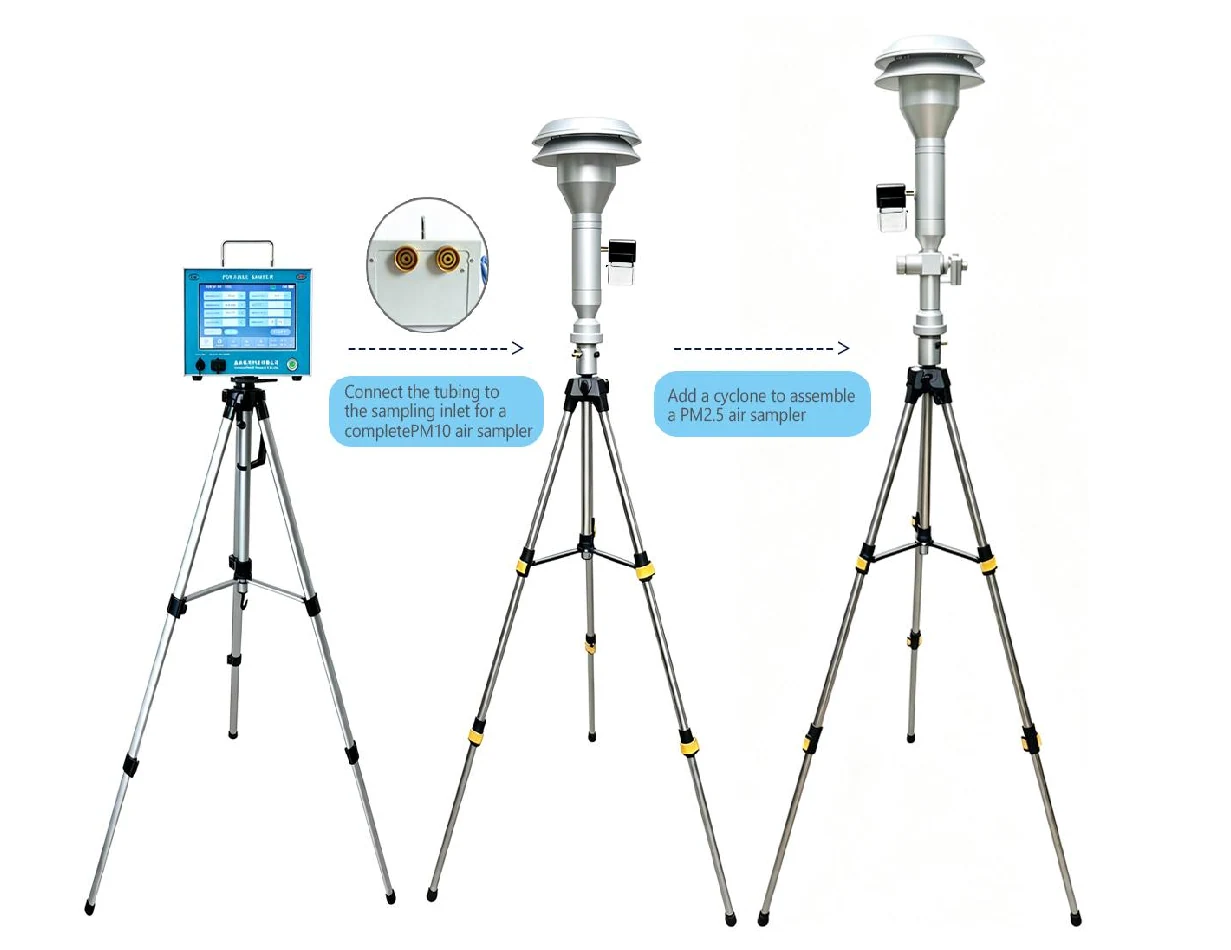
PM10 & PM2.5 Low Volume Inlet with Cyclone
PM10 low volume inlet cyclone assembly that collects PM10 and PM2.5 in one visit.
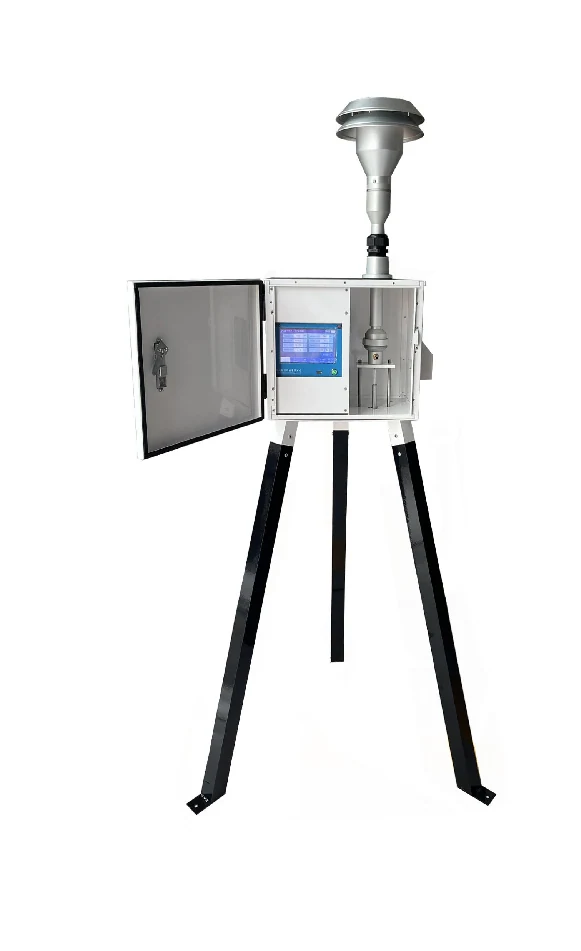
TSP Low Volume Air Sampler Inlet
TSP low volume air sampler adapter for total suspended particulate sampling on 47 mm filters.
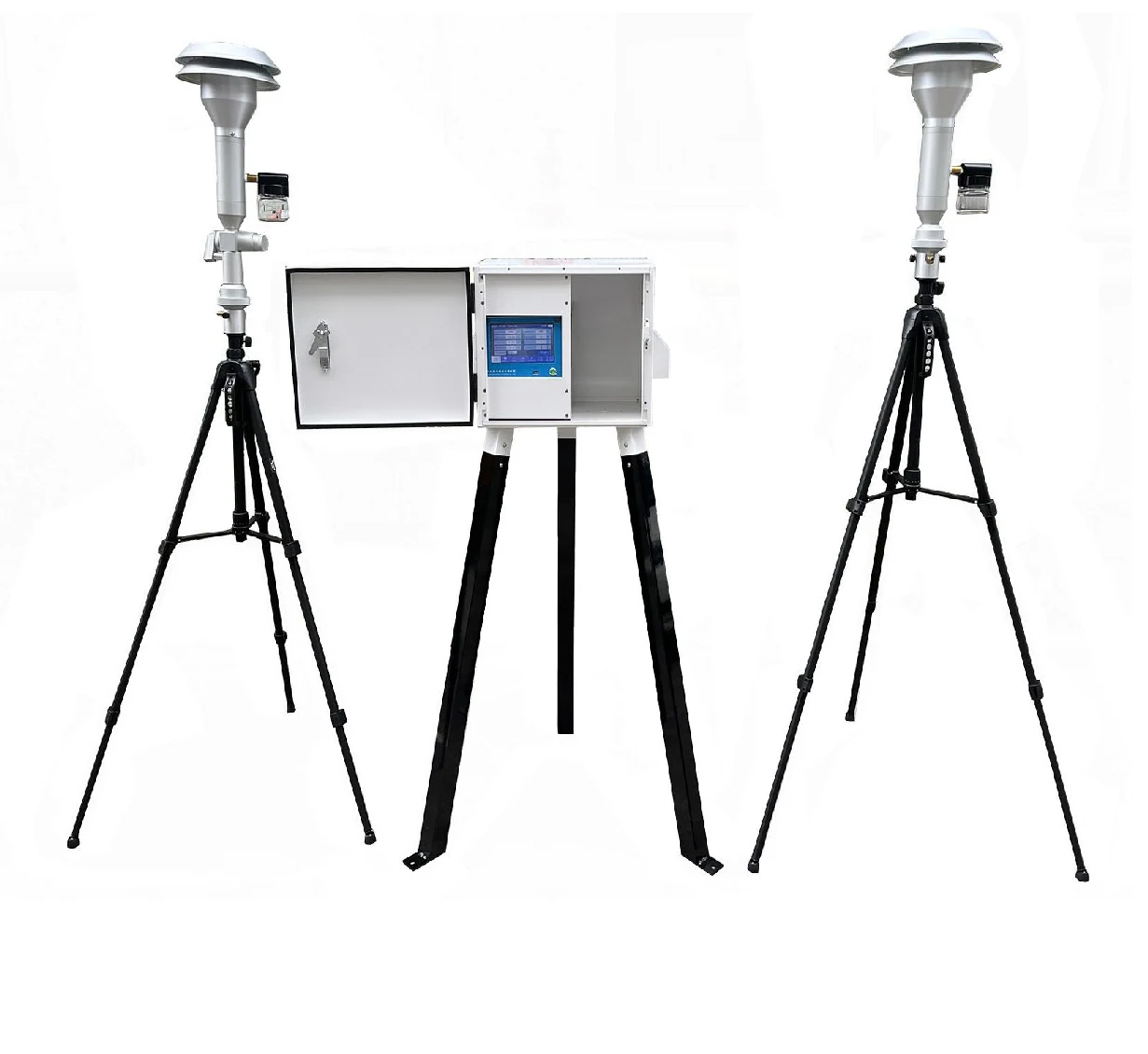
PM10 & PM2.5 Low Volume Double Channel Sampler
Double channel air sampler running PM10 and PM2.5 at the same time from one cabinet.
Cabinet for Double Channel Low Volume Sampler
Low volume air sampler cabinet for a two channel sampling train, powder coated aluminum.
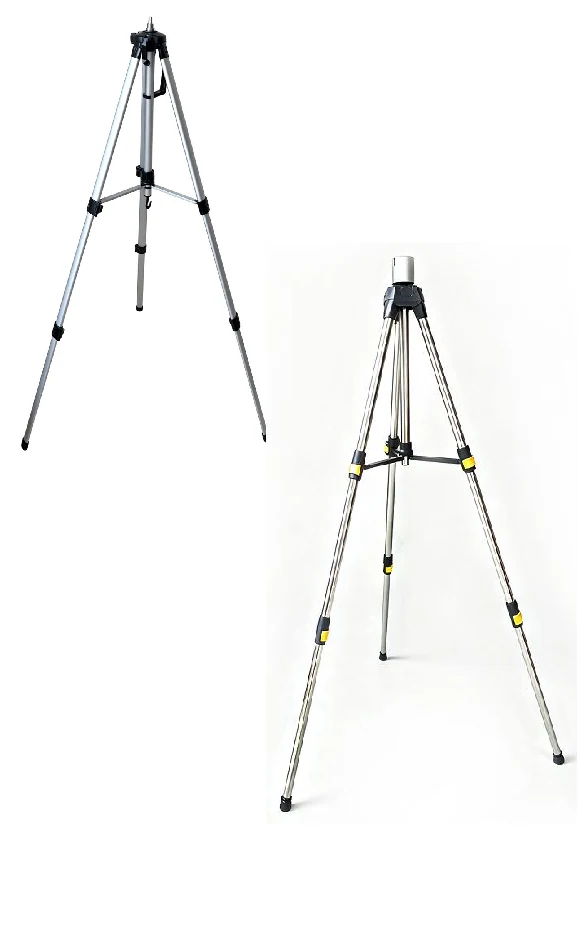
Moveable Bracket for Outdoor Air Sampler
Air sampler bracket that lets the inlet be repositioned or the unit moved between sites.
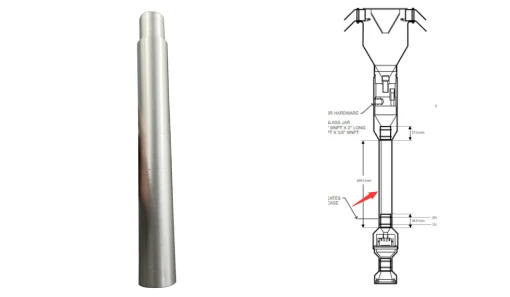
Connect Pipe for PM10-LV and PM2.5 Impactor
Connect pipe air sampler part that sets the correct distance between inlet and impactor.
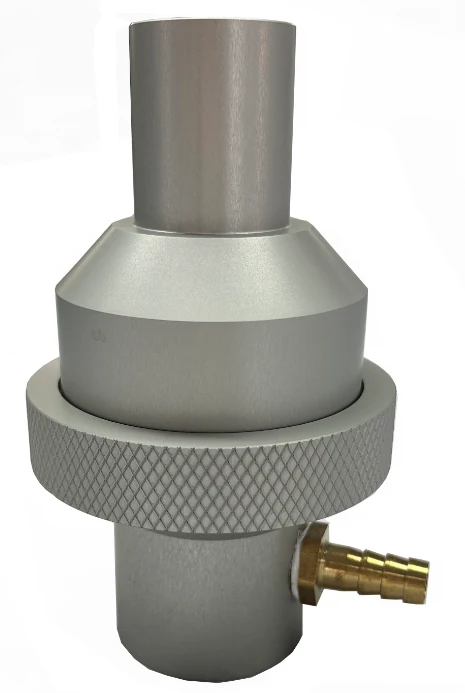
Filter Holder for PM10-LV and PM2.5 Impactor
Low volume filter holder taking standard 47 mm discs with an O-ring seal.
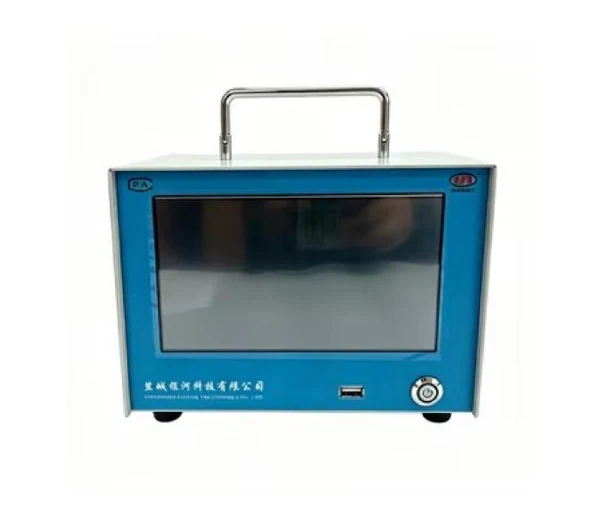
Control Pump and Box for Low Volume Air Sampler
Air sampler pump and control box, 3 to 30 L/min, single or double channel, rechargeable battery.
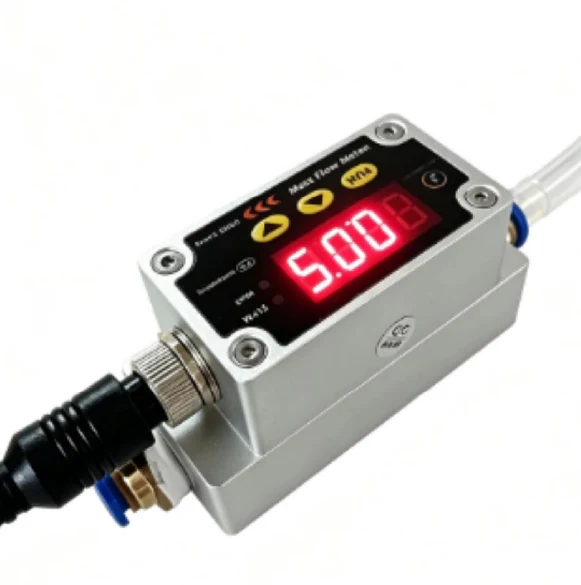
Digital Flow Meter 1-100 LPM
Flow meter for air sampler, 1 to 100 LPM, for setting and checking the sampling rate.
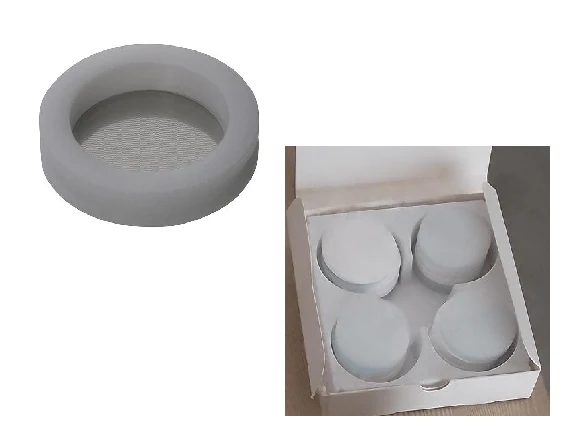
Glass Fiber Filter Paper 47 mm
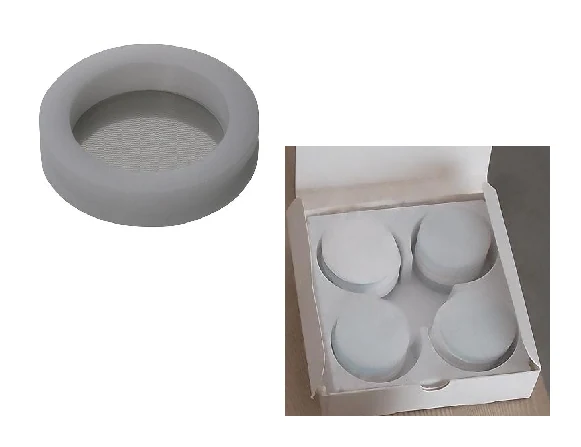
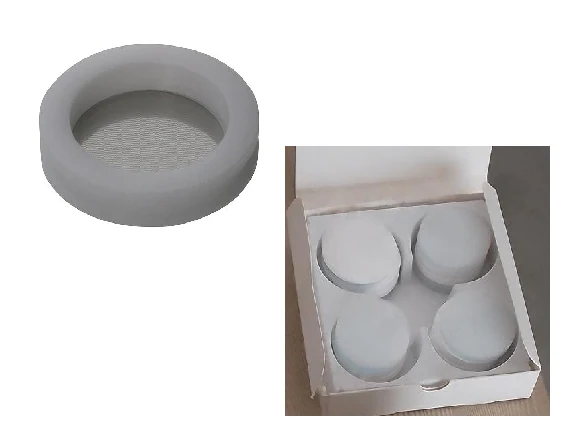
47 mm filter paper in ultrafine glass fiber, 100 discs per box for low volume samplers.
PTFE Membrane Filter Paper 47 mm
PTFE filter paper, binder-free membrane with 1.0 micrometre pores, 50 per box.
Frequently Asked Questions
What flow rate should a low volume air sampler run at?
Most low volume PM10 and PM2.5 methods run at 16.7 L/min, which is one cubic meter per hour and makes the volume calculation simple. Our low volume pumps cover 3 to 30 L/min, so other rates are possible when a method or a specific inlet requires them. The important point is that the flow is calibrated and held steady for the whole sampling period.
What is the difference between the PM2.5 impactor and the PM2.5 cyclone?
Both remove particles larger than 2.5 micrometers, but they do it in different ways. An impactor uses a jet and an impaction plate, while a cyclone spins the airflow and throws coarse particles to the wall. Impactor plates must be cleaned and greased carefully, whereas cyclones have no coated surface to maintain. We build both so the choice can follow your standard method.
Can one sampler collect PM10 and PM2.5 at the same time?
Yes. The double channel low volume sampler uses one cabinet and one CB-LVGT-D frame with two sampling trains, so both fractions are collected from the same height and the same airstream. This avoids the small siting differences that appear when two separate samplers are compared.
How do I calibrate a low volume sampler?
Connect a gas flow calibrator, our SXF2024-30 covers 300 mL/min to 30 L/min with plus or minus 1 percent of full scale accuracy, at the inlet or the filter holder and compare the measured flow with the flow meter reading. Adjust the pump or controller until they match, then record both values with the date and the ambient conditions. A digital flow meter of 1 to 100 LPM is useful for quick checks between full calibrations.
Can the sampler run without mains power?
Yes. The CCZ-30 single channel and CCZ-30D double channel pump and control boxes include a rechargeable battery and a programmable timer, so a train can be deployed on a rooftop or a remote pole where no power cable can be run. Carry a spare charged battery for long programs and check the charge level before each deployment.
Send us your flow rate, size fraction and site conditions - we will recommend the right configuration and quote within one working day.
Request a Quote