When it comes to assessing air quality and understanding potential risks, two commonly used techniques are air sampling and air monitoring. While they sound like same, they have distinct differences in their methodologies and objectives. Let's explore the differences between them.
Types Of Air Sampling Techniques
Here are some types of air sampling techniques:
Passive Sampling
Passive sampling involves the use of samplers that do not require an external power source. To gather samples, these samplers rely on diffusion and the free movement of air. They are appropriate for long-term monitoring programs since they are inexpensive and simple to deploy.
Active Sampling
On the other hand, active sampling uses tools that employ a pump to actively suck air into the sampler. When exact measurements of pollutant concentrations are needed, this approach is frequently utilized because it enables precise control of the sampling flow rate.
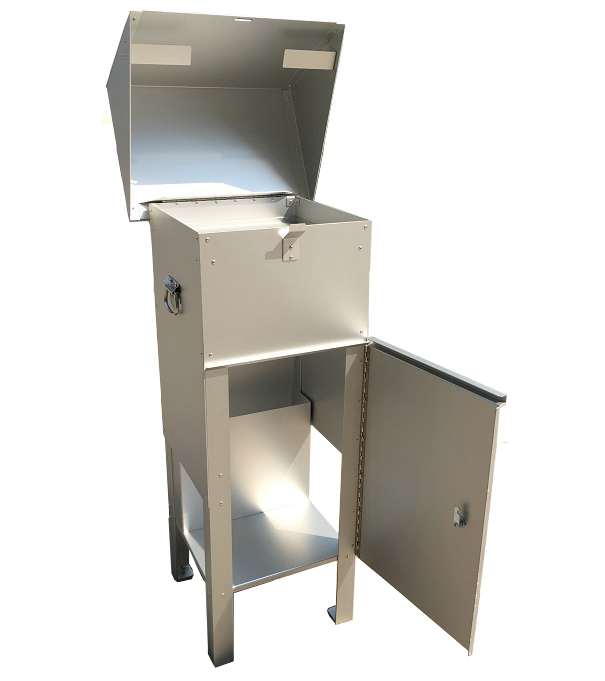
TSP Cabinet For Outdoor Air Sampling Equipment
Grab Sampling
Grab sampling refers to collecting air samples at a specific moment in time. It is often used for quick assessments or when immediate results are needed. However, grab sampling may not provide a comprehensive representation of long-term air quality conditions.
What Is Air Monitoring?
Continuous or real-time measurement of air quality parameters outside is what is meant by air monitoring. Unlike air sampling, which captures samples for laboratory analysis, air monitoring provides immediate data, allowing for an on-site assessment and prompt response to changing conditions.
What Are The Differences Between Them?
Air sampling and air monitoring are two distinct approaches used in the assessment and evaluation of air quality. Here are some differences between them:
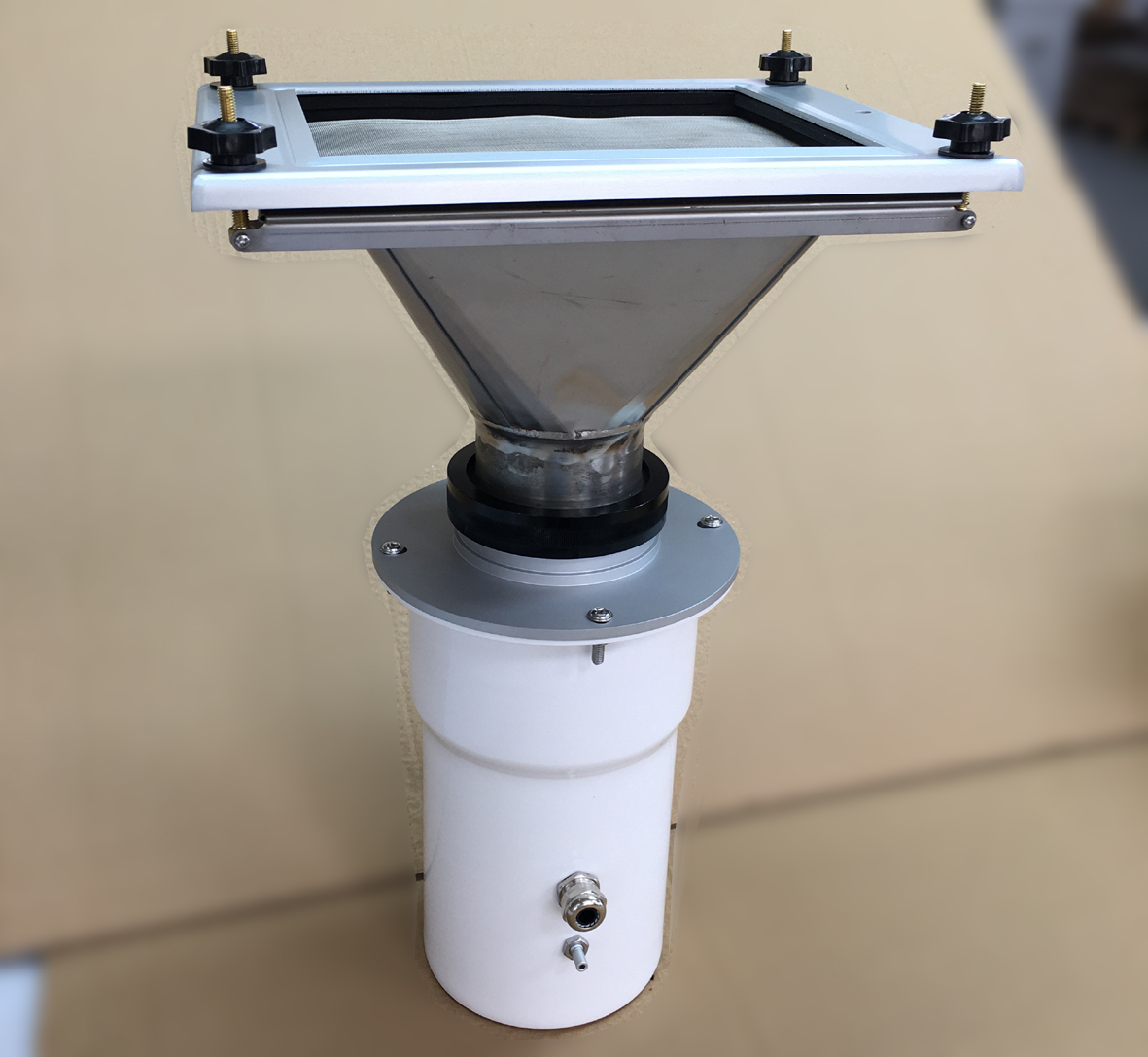
Tsp Air Sampling Equipment Price
Objective
The primary objective of air sampling is to collect air samples for laboratory analysis, aiming to determine the concentration of specific pollutants or contaminants. It is commonly used for long-term assessments, research purposes, and source identification. Air monitoring, on the other hand, focuses on offering quick data for on-site assessment and decision-making. Its goal is to continually or infrequently measure and record air quality data so that we can analyze the situation at hand and act quickly if any hazards arise.
Duration
Air sampling provides a snapshot of air quality at a specific moment or over a designated period, depending on the sampling duration. It involves capturing air samples using specialized devices, such as pumps and filters, which are then sent to laboratories for analysis. As opposed to this, air monitoring provides continuous or real-time data, giving a steady stream of data on air quality over a long period of time. Pollutant levels are continually measured and recorded by monitoring stations placed at key locations, allowing for the analysis of trends and changes in air quality.
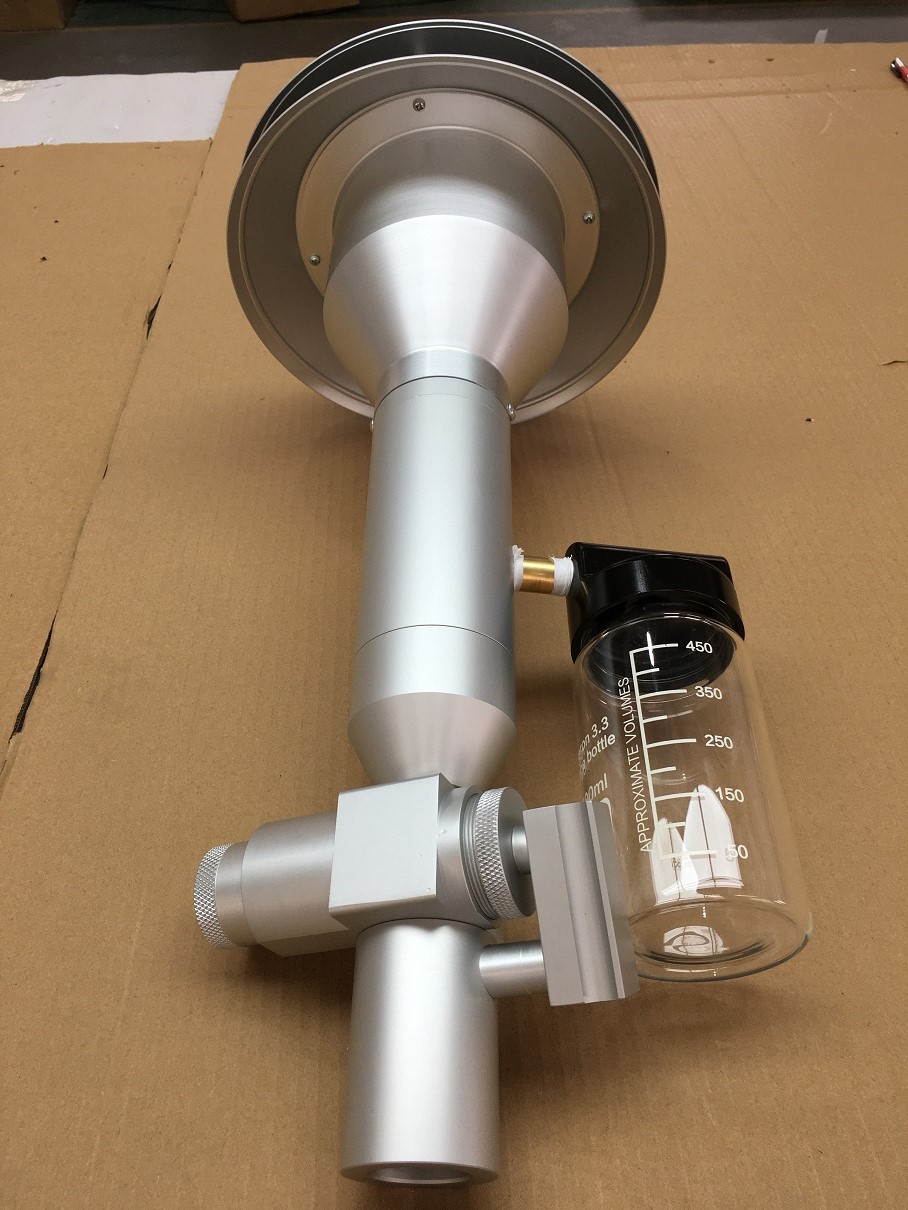
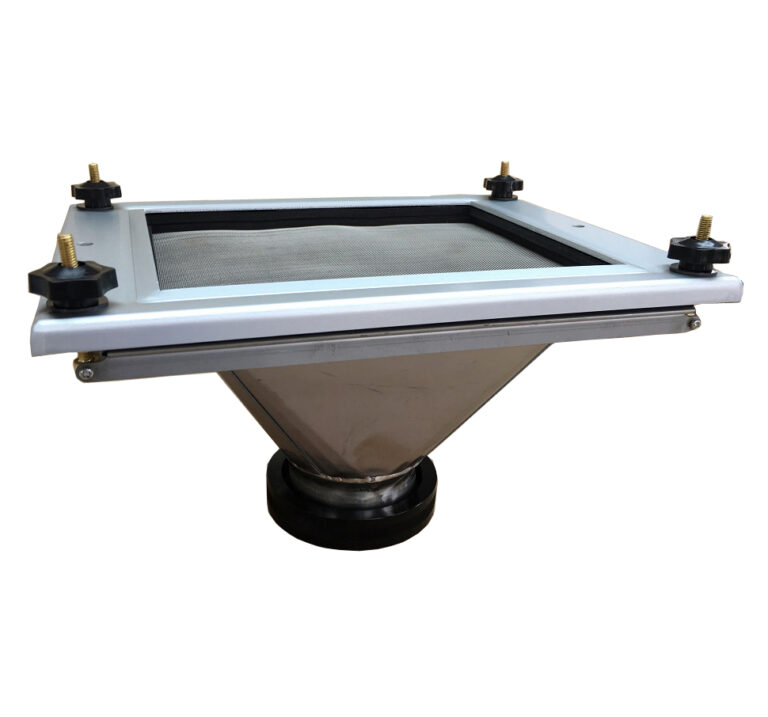
PM10 Inlet For Air Quality Monitoring
Data Analysis
To correctly estimate pollutant amounts, laboratory analysis is needed after air sampling. To measure the presence and quantity of certain contaminants, collected air samples are subjected to a variety of analytical procedures. The composition of the air samples is revealed in great depth and accuracy by this examination. On the other hand, air monitoring provides instant results without the need for additional laboratory analysis. Monitoring systems use advanced sensors and instruments to measure air quality parameters in real-time, generating immediate feedback on pollutant levels.
Conclusion
Air sampling and air monitoring are distinct techniques used to assess air quality and monitor potential risks. Both techniques play vital roles in understanding air pollution, identifying sources, and making informed decisions to safeguard human health and the environment.
T4 AIR SAMPLER is a leading air sampler supplier with nearly 20 years of experience. If you are looking for the air samplers, contact us without hesitation!
Frequently Asked Questions
What is the difference between air sampling and air monitoring?
Air sampling collects a physical sample over a defined period for laboratory analysis, while air monitoring continuously measures pollutant levels in place without collecting a sample for later analysis.
What are the objectives of each approach?
Sampling is used to identify what is present and at what concentration, often for compliance or research. Monitoring is used to track how conditions change over time.
How does duration differ between them?
Sampling campaigns usually run for a set period, from hours to 24 hours per filter. Monitoring is continuous or near-continuous, producing a time series.
How does data analysis differ?
Sampled filters go to a laboratory for gravimetric or chemical analysis, while monitoring produces live readings that can be plotted, alerted on and trended immediately.
What types of air sampling techniques are there?
The main types are passive sampling, active sampling and grab sampling, each with a different level of control over flow rate and sample volume.
Which approach should I use?
Use air sampling when you need defensible laboratory-grade concentrations or chemical speciation. Use air monitoring when you need continuous trends, alarms or process control feedback.