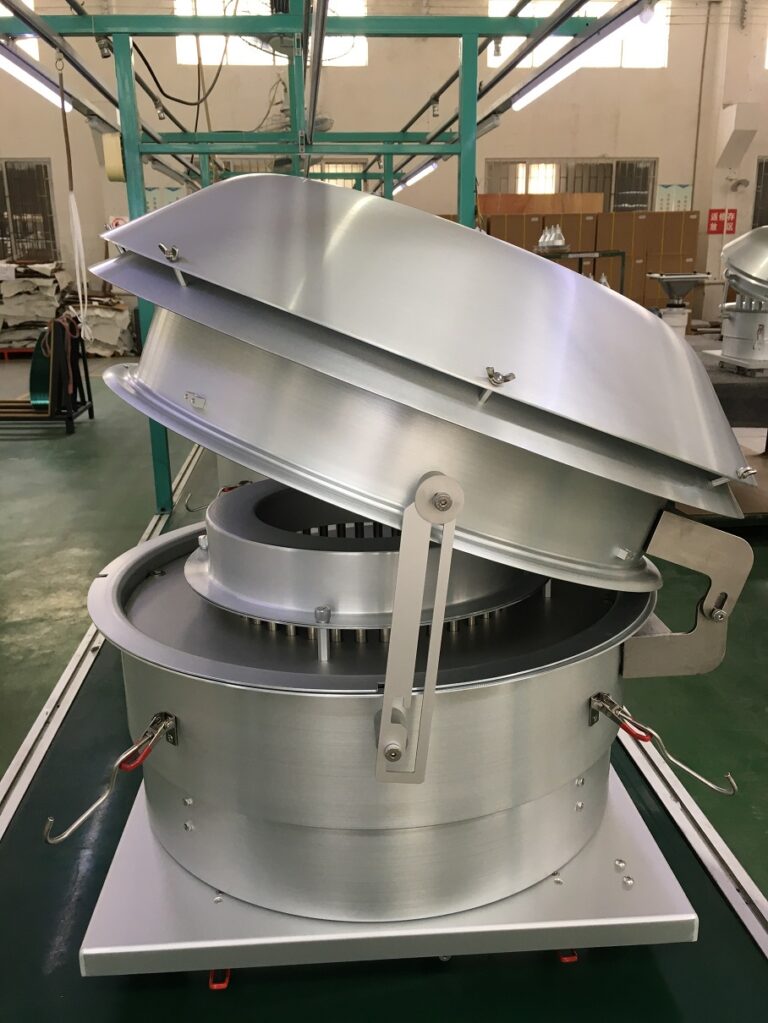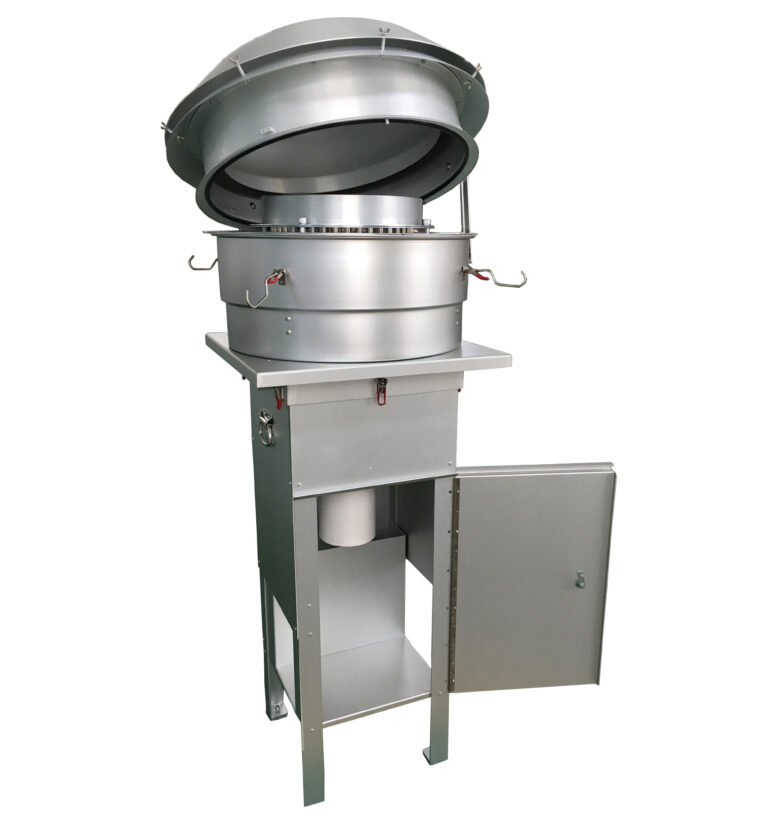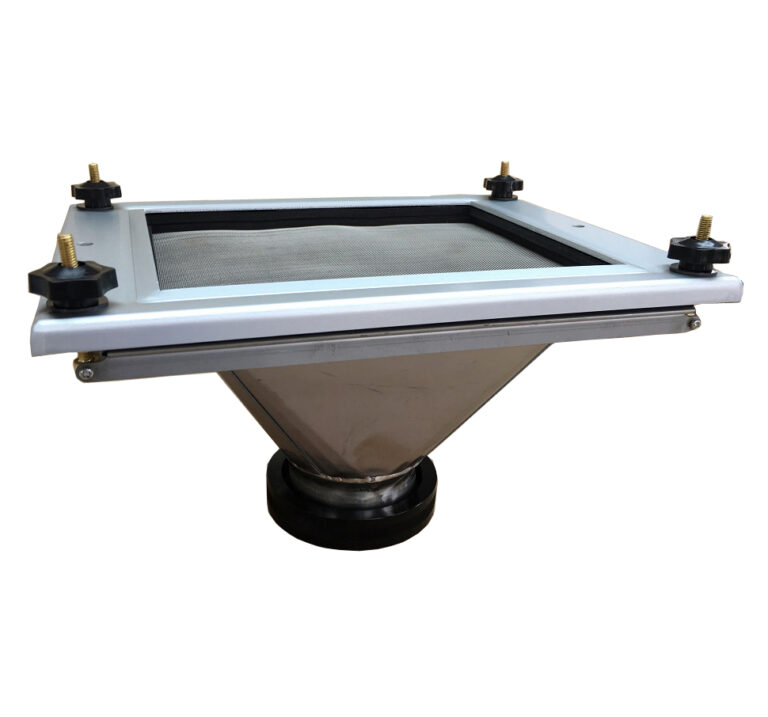
Given the different pollutants and toxins that may harm human health and the environment, air quality is a top priority in today's globe. To monitor and maintain air quality, scientists and environmentalists rely on sophisticated tools and instruments, one of which is the high-volume air sampler. These devices play a pivotal role in collecting and analyzing air samples, aiding in understanding and mitigating air pollution. In this article, we will delve into the multifaceted applications of high-volume air samplers and their significance in various domains.
Environmental Monitoring
High-volume air samplers are widely used in environmental monitoring programs to assess air quality. These samplers are equipped with filters or other collection media that can capture various pollutants, including particulate matter (PM), volatile organic compounds (VOCs), heavy metals, and more. These devices offer significant data for analyzing pollution levels, identifying pollution sources, and evaluating the efficiency of pollution management strategies by collecting air samples over lengthy periods of time.
Regulatory Compliance
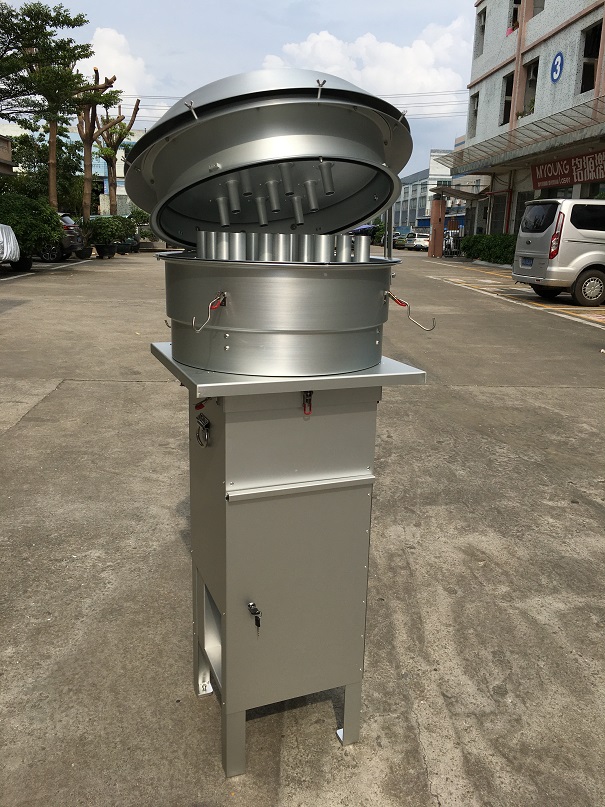
Government agencies and environmental authorities often employ high-volume air samplers to ensure compliance with air quality regulations. These instruments are used to collect data on pollutant concentrations, helping authorities enforce emission standards and take appropriate actions to reduce air pollution. Manufacturing, energy generation, and transportation are all subject to stringent laws, and high-volume air samplers serve an important role in ensuring compliance.
Health Studies
Understanding the health implications of air pollution is of paramount importance. High-volume air samplers are instrumental in gathering data for epidemiological studies that examine the relationship between air quality and public health. Researchers can examine the influence of pollutants on respiratory disorders, cardiovascular difficulties, and other health concerns by collecting air samples in places with varying levels of pollution. This data informs healthcare policy and initiatives to protect community well-being.
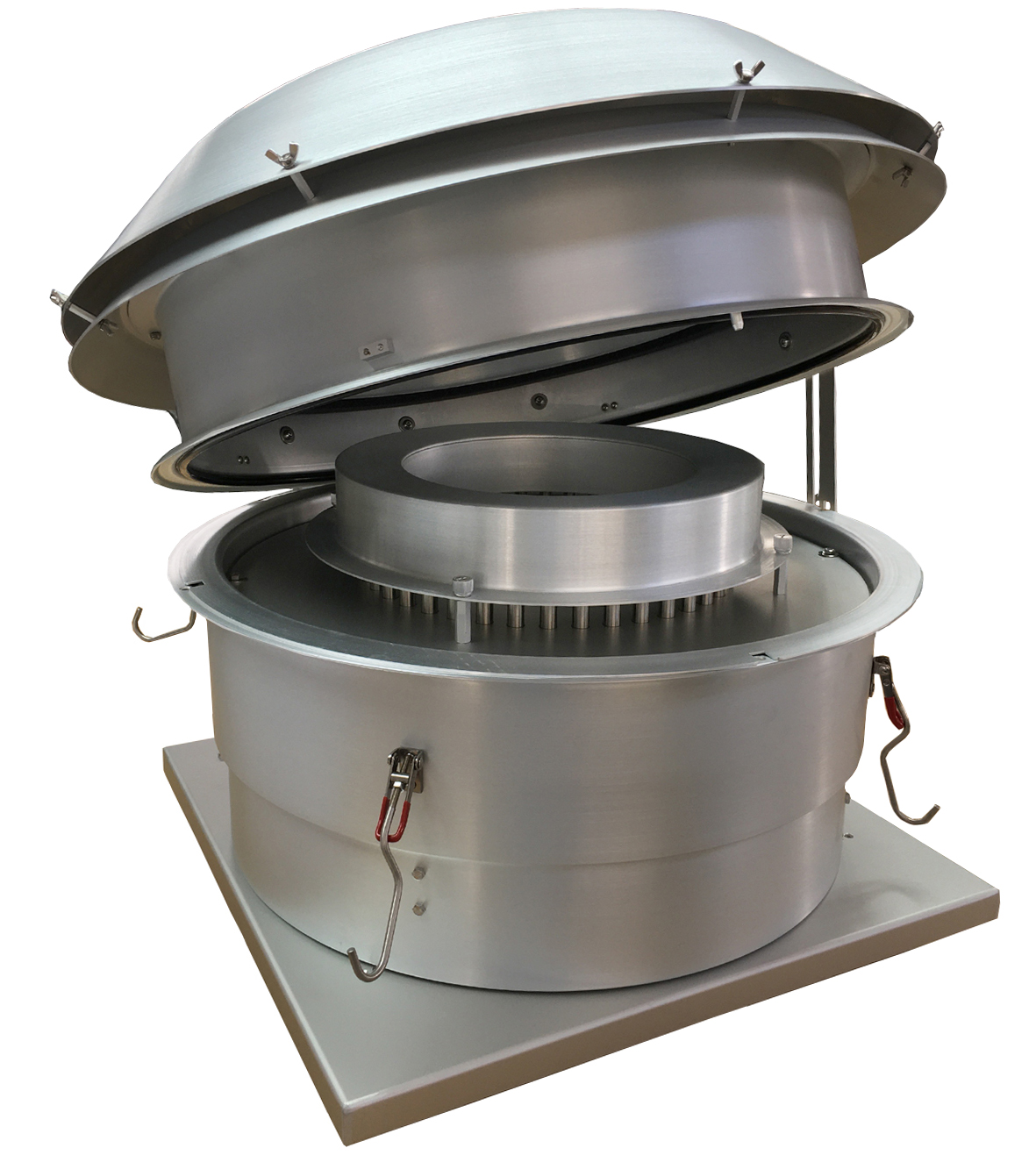
Source Apportionment
Identifying the sources of air pollution is essential for effective pollution control strategies. High-volume air samplers, in combination with chemical analysis techniques, can help researchers pinpoint the origins of specific pollutants. This source allocation allows authorities to execute targeted pollution reduction measures from certain businesses or activities, thereby improving air quality.
Indoor Air Quality Assessment
High-volume air samplers are not limited to outdoor air monitoring. They are also employed to assess indoor air quality, especially in buildings where people spend a significant amount of time. Indoor contaminants such as mold spores, allergies, and volatile organic compounds can be detected with these samplers. Understanding indoor air quality is essential for occupant health and comfort, especially in residential and commercial settings.
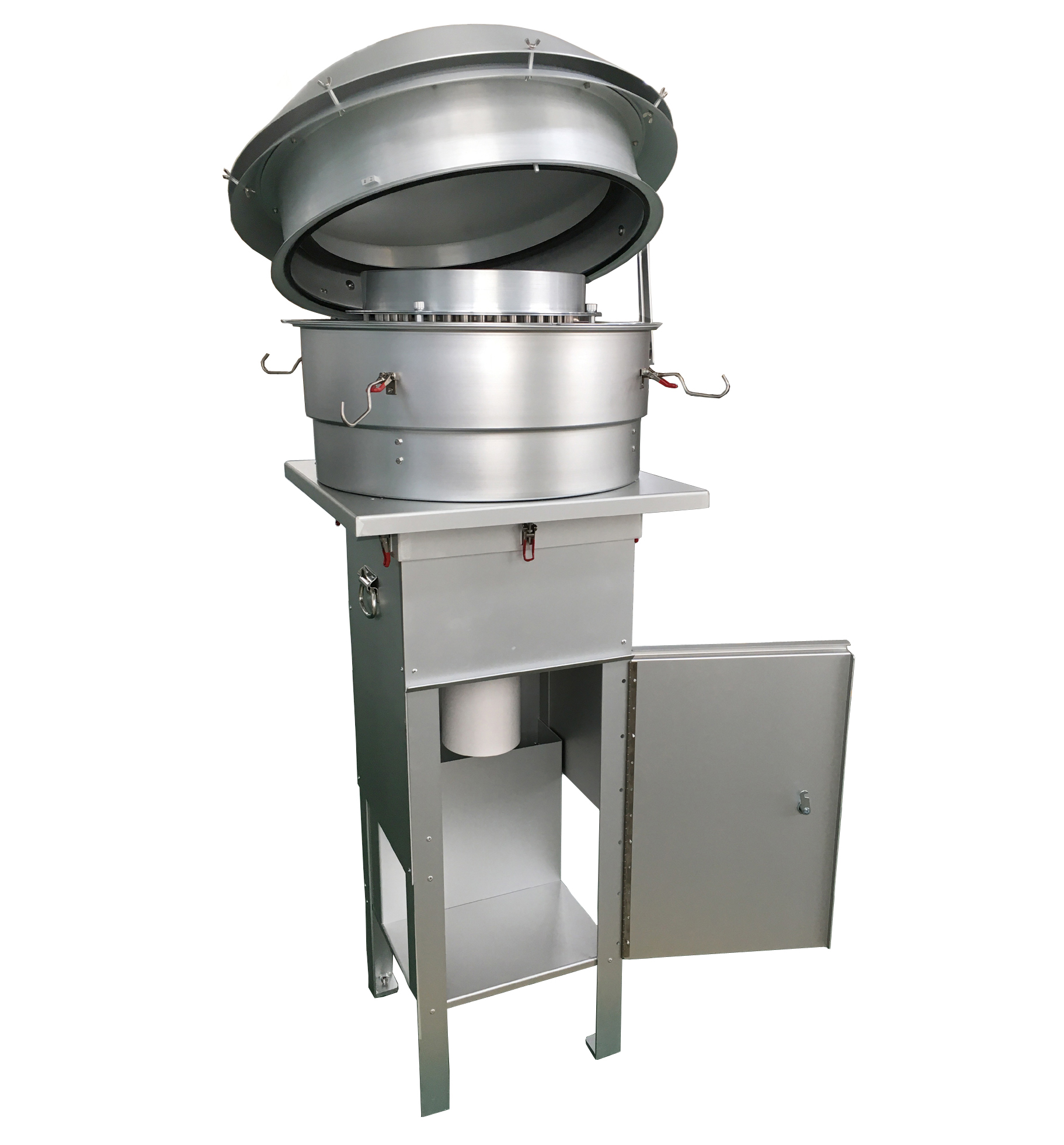
PM2.5 Air Sampler Head Equipment
Atmospheric Research
High-volume air samplers are used by researchers investigating atmospheric chemistry and climate change to collect data on greenhouse gases and aerosols. These instruments help measure concentrations of carbon dioxide (CO2), methane (CH4), and other trace gases, providing insights into global climate patterns and the impact of human activities on the atmosphere. Accurate data from high-volume air samplers are indispensable for climate models and projections.
Conclusion
High-volume air samplers are flexible equipment used for environmental monitoring, public health, regulatory compliance, and scientific study. T4 AIR SAMPLER, one of the trusted air sampler suppliers, offers a wide range of air samplers. If you are interested in it, browse our website for more product details!
Frequently Asked Questions
What are the main applications of high volume air samplers?
They are used for ambient environmental monitoring, regulatory compliance reporting, population health studies, pollution source apportionment, indoor air quality assessment and atmospheric research.
How do high volume air samplers support regulatory compliance?
A calibrated high volume sampler produces gravimetric particulate data that can be compared directly against national or regional PM10 and PM2.5 limits, giving regulators a defensible record.
What is source apportionment and how does it use samplers?
Source apportionment identifies which sources contribute most to measured particulate matter. High volume samplers collect enough filter mass for chemical analysis, which links the sample back to specific emitters.
Are high volume air samplers used for health studies?
Yes. Epidemiology and exposure studies rely on them because the large sample mass supports detailed chemical and toxicological analysis of PM2.5 and PM10.
Can high volume samplers be used indoors?
They can, but the high airflow and noise usually suit larger spaces such as warehouses, tunnels and industrial halls rather than occupied offices.
Where does T4 AIR SAMPLER fit into these applications?
T4 AIR SAMPLER supplies high volume samplers, PM10 and PM2.5 inlets, TSP cabinets and outdoor base cabinets, giving one supplier for the whole monitoring chain.