When it comes to monitoring air quality, understanding the differences between a high volume air sampler and a low volume air sampler is essential. These two types of samplers, including specialized variants like the low volume PM 10 air sampler and PM2.5 sampler, play a pivotal role in assessing the impact of air pollutants on human health and the environment. This article will explore the distinct features and applications of high volume and low volume air samplers, including the low volume PM2.5 and PM10 low volume particulate samplers, to guide you in selecting the appropriate equipment for your needs.
Understanding Air Sampling
Air quality monitoring is crucial for understanding the presence of pollutants in the atmosphere and their potential impacts on health and the environment. Air samples are collected using sampling procedures, which are then analyzed to identify pollutant amounts.
High Volume Samplers
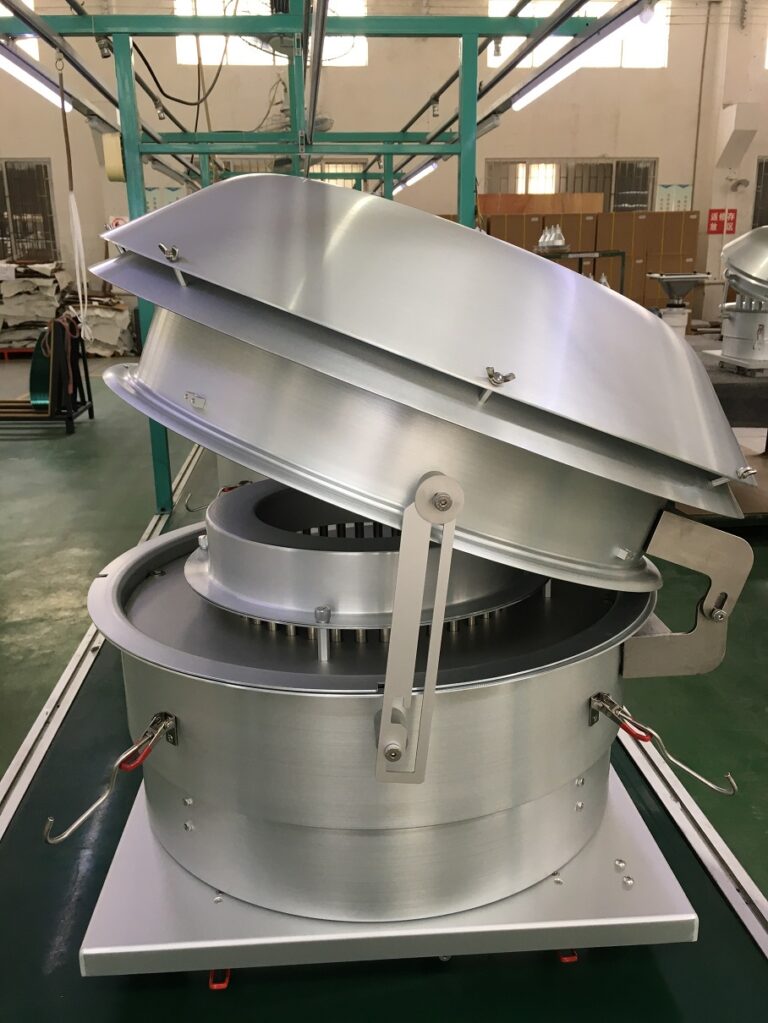
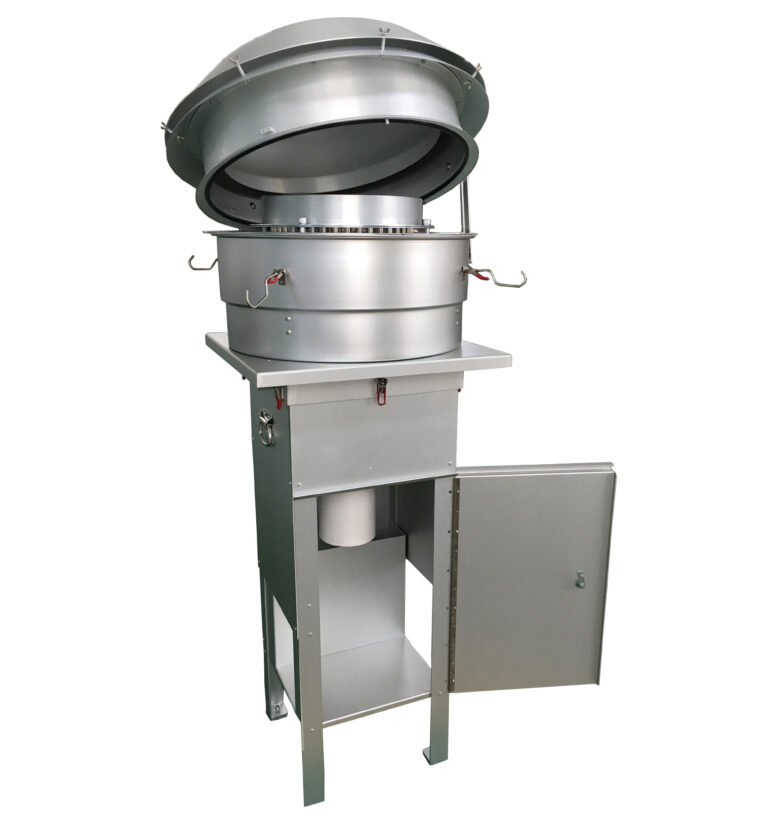
High volume samplers are air sampling devices designed to collect a large volume of air over a specific period. These samplers generally pull air at a high flow rate, allowing particulate matter and aerosols to be collected. The obtained samples are subsequently examined in order to determine contaminant levels.
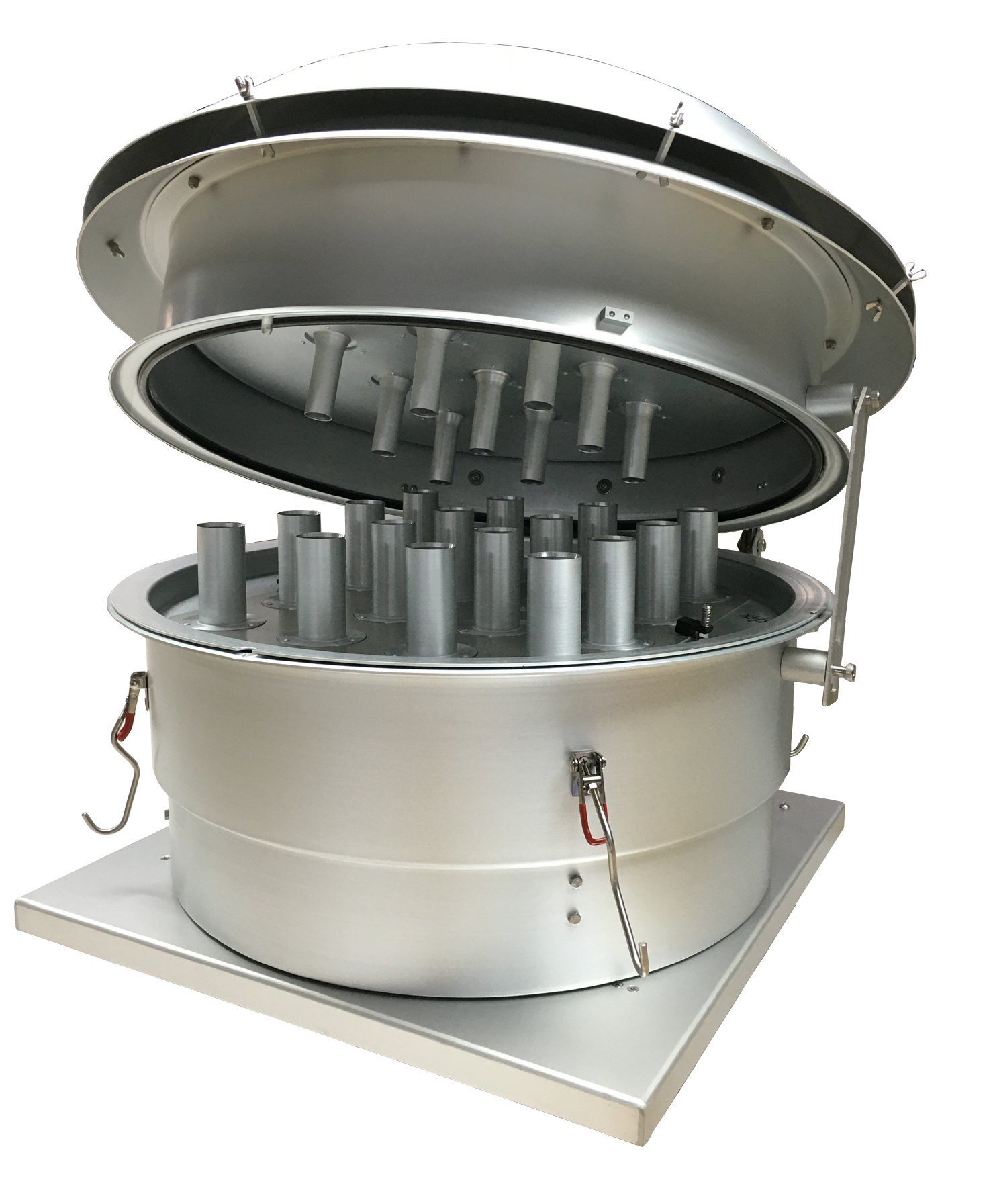
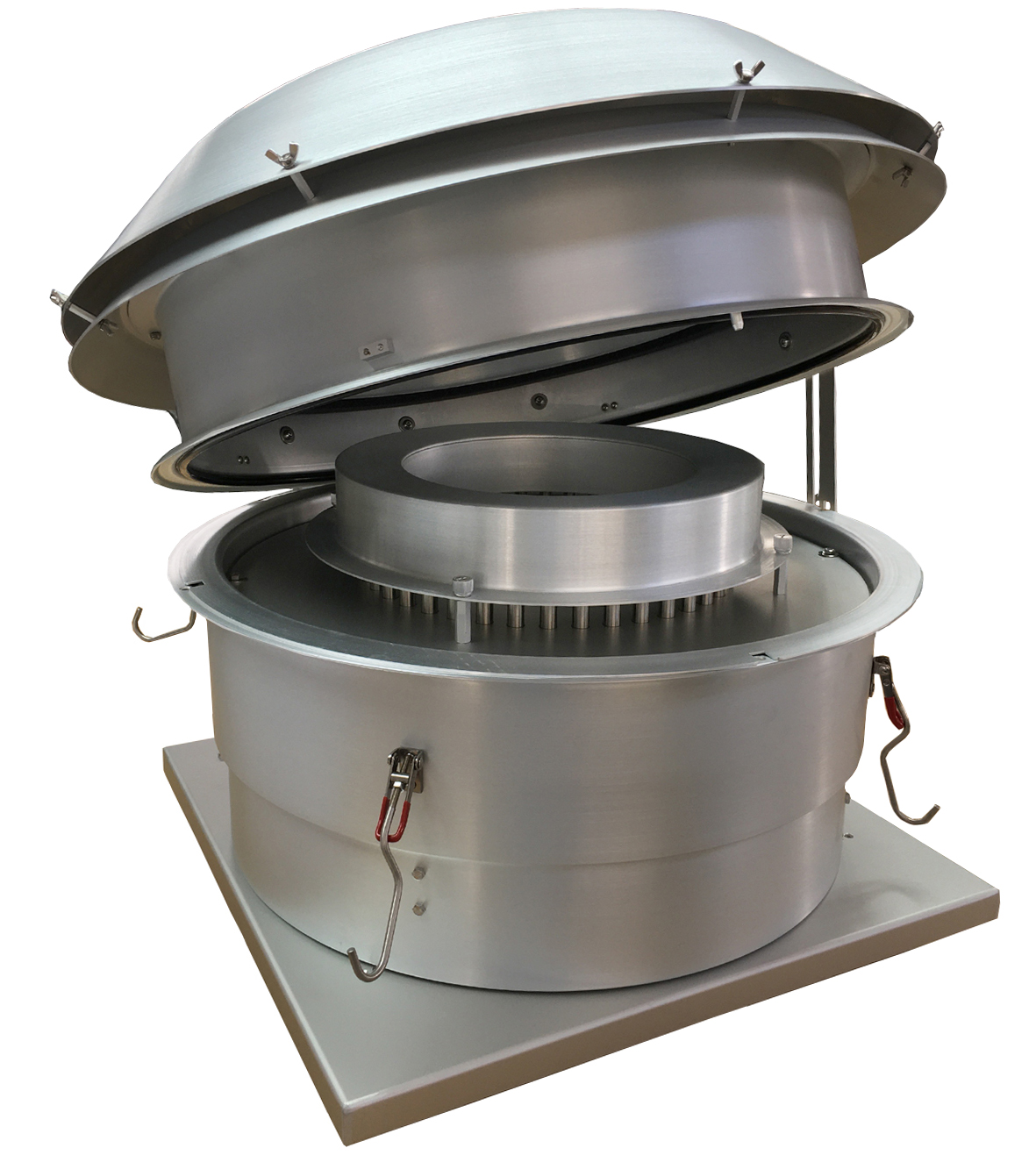
High Volume PM10 Air Sampler Product
Low Volume Samplers
In contrast, low volume samplers operate at a lower flow rate and collect a smaller volume of air. These samplers are often used to monitor gaseous pollutants and volatile organic compounds. Despite their reduced collection rates, they are useful for capturing contaminants at lower concentrations.
Distinguishing Factors Between High Volume And Low Volume Samplers
In the world of air quality monitoring, the choice between high volume samplers and low volume samplers depends on a variety of factors. Let's dive deeper into the distinguishing features that set these two sampling methods apart:
Efficiency And Sampling Duration
High volume samplers are known for their efficiency in collecting large amounts of air in a relatively short period. This efficiency is useful for analyzing contaminants with larger concentrations. Low volume samplers, on the other hand, need longer sampling times to collect enough samples for analysis.
Applicability
High volume samplers are ideal for areas with higher pollutant concentrations or when regulatory standards demand precise measurements. Low volume samplers are better suitable for locations with lower pollution levels or where specific contaminants require more attention.
Cost Considerations
Due to their higher flow rates and larger sample sizes, high volume samplers are generally more expensive to operate and maintain. Low volume samplers can be more cost-effective for long-term monitoring projects due to their smaller sample volumes and longer sampling times.
Sample Collection Mechanism
High volume samplers pull a large amount of air in a short period of time, allowing them to catch a large volume of contaminants. This approach is especially effective for particle pollution and aerosols, which can have an immediate impact on respiratory health. On the other hand, low volume samplers focus on longer-duration collection, making them suitable for capturing gaseous pollutants and volatile compounds that might be present in lower concentrations.
Portability And Deployment Flexibility
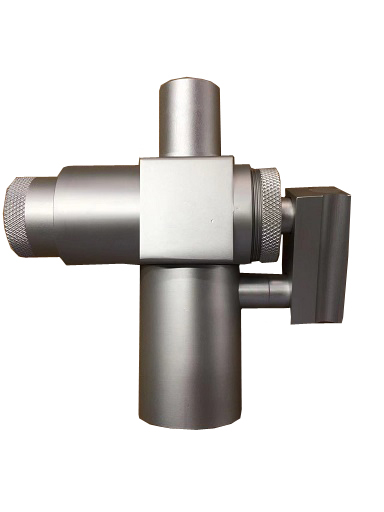
High volume samplers are often larger and bulkier due to their higher flow rates and the need for accommodating larger sample volumes. This can limit their portability and deployment options, making them better suited for fixed monitoring stations. Low volume samplers, on the other hand, provide more deployment flexibility, including the possibility to set up temporary monitoring stations in diverse places due to their compact designs and extended sampling periods.
Sample Analysis Requirements
The selection of large volume vs low volume samplers has an impact on the subsequent sample analysis procedure. High volume samplers provide bigger samples that need extensive laboratory examination, frequently incorporating complicated apparatus to determine particulate matter sizes and compositions. Low volume samplers, with their smaller sample sizes, might demand different analytical methods that focus on gaseous pollutants, requiring specialized instrumentation to accurately quantify these substances.
Conclusion
In summary, the selection between high volume samplers and low volume samplers, including specialized devices like low volume PM2.5 samplers and PM10 low volume particulate samplers, should be tailored to your specific air quality monitoring needs. Whether you require a robust high volume air sampler for comprehensive analysis or a precision-oriented low volume sampler for targeted pollutant detection, T4 AIR SAMPLER offers the latest in air sampling technology. For detailed information on our range of air samplers, or to find the perfect match for your air quality assessment requirements, please contact us. Our expert team is ready to assist you with top-tier solutions and support.
Frequently Asked Questions
What is the difference between a high volume and a low volume air sampler?
A high volume air sampler moves a large volume of air per minute to collect significant particulate mass quickly, while a low volume sampler runs at a much lower flow rate for longer, unattended periods.
Which sampler gives more accurate results?
Both are accurate when calibrated. High volume sampling reduces gravimetric uncertainty because a larger mass is collected, while low volume sampling gives better temporal resolution over long monitoring periods.
How does sampling duration differ?
High volume campaigns are typically hours to 24 hours, while low volume samplers can run for days or weeks with minimal intervention, making them ideal for continuous networks.
How do the two compare on cost?
High volume units cost more up front and use larger filters and more power. Low volume units are cheaper to buy and run but need longer sampling periods to reach the same detection limit.
Which is more portable?
Low volume samplers are generally lighter and quieter, while high volume samplers need a sturdy mount, more power and often an outdoor cabinet.
Which one should I choose?
Choose high volume for detailed chemical analysis, short campaigns and regulatory gravimetric work. Choose low volume for long-term trend monitoring, indoor studies and multi-point networks.