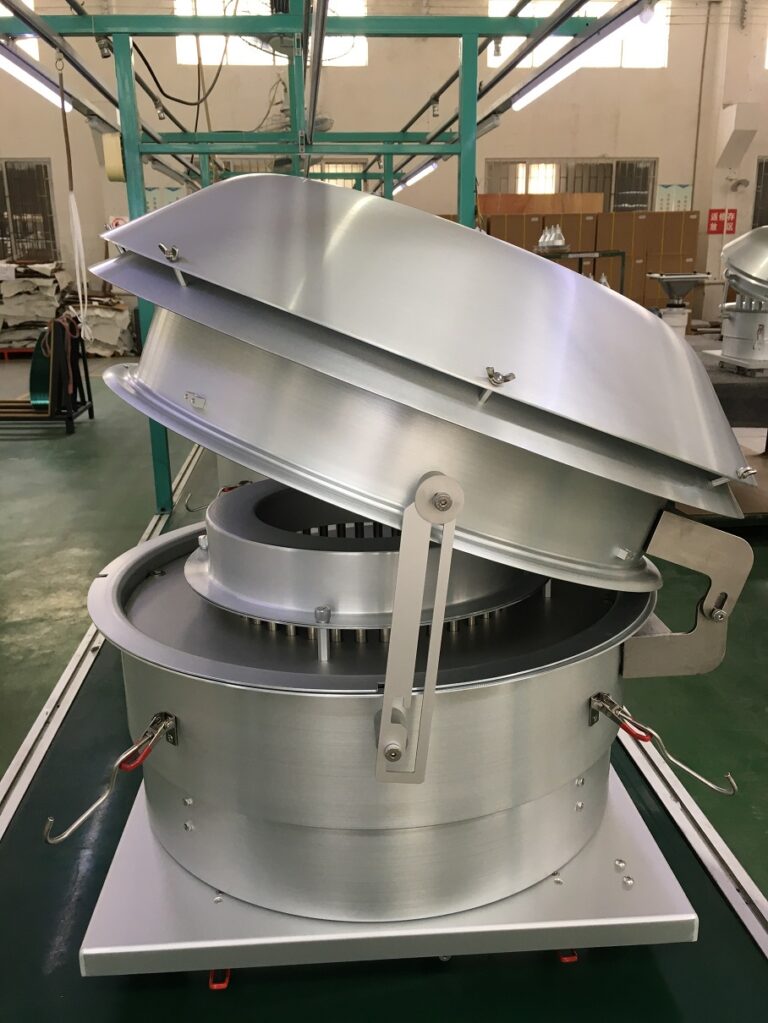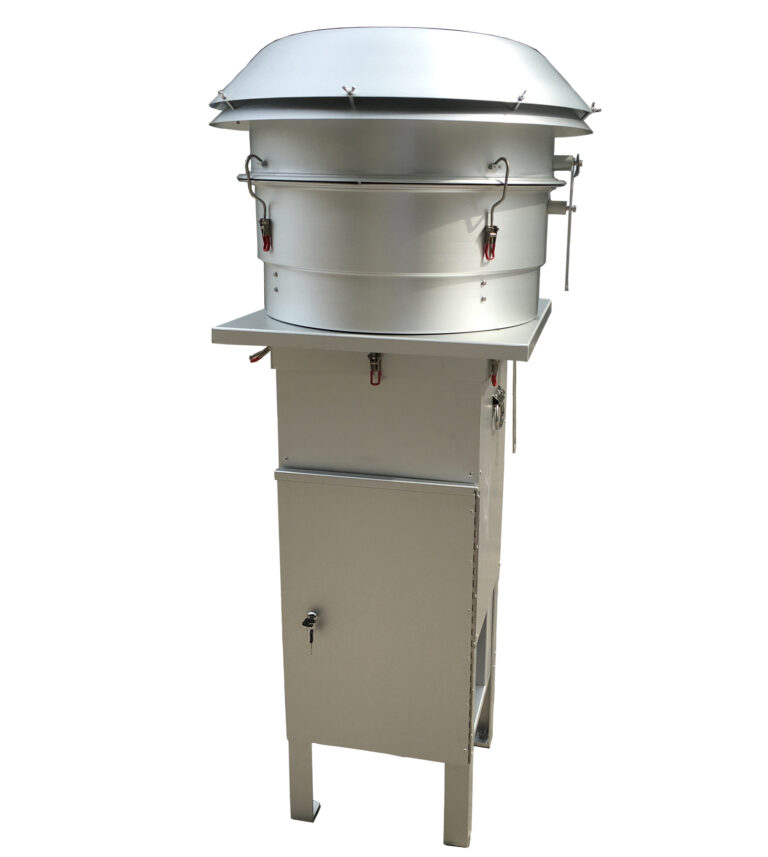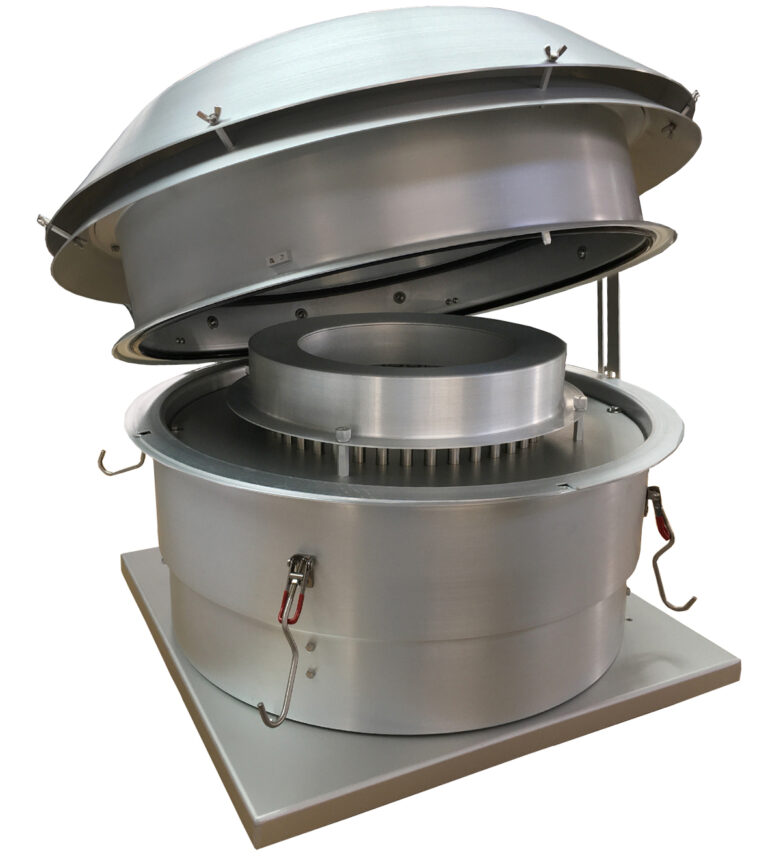
Are you a business looking for reliable and efficient air sampling solutions? Understanding how air samplers operate is critical for making sound judgments about air quality monitoring. In this comprehensive guide, we'll explore the working principles of air samplers and showcase how T4 AIR SAMPLER's products excel in delivering accurate and actionable results.
The Importance of Air Sampling for Businesses
Air quality monitoring is essential for businesses across various industries, including:
● Manufacturing and industrial facilities
● Healthcare and pharmaceutical settings
● Food processing and packaging plants
● Commercial and office buildings
By regularly monitoring air quality, businesses can:
● Ensure compliance with environmental regulations
● Protect the health and safety of employees and customers
● Optimize production processes and minimize downtime
● Maintain a positive brand reputation and avoid legal liabilities
How Air Samplers Work: The Basics
An air sampler is a device that collects and measures airborne particles, microorganisms, or gases in a specific environment. The basic principle entails drawing a known volume of air through a collection medium, such as a filter or a liquid, over a set time. The collected samples are then analyzed in a laboratory to determine the concentration and composition of the target pollutants.
T4 AIR SAMPLER offers a wide range of air sampling equipment designed to meet the diverse needs of businesses across industries.
Types of Air Samplers: High-Volume vs. Low-Volume
High-Volume Air Samplers
● Designed to collect large volumes of air (1,000 to 1,500 m³/day)
● Ideal for outdoor air quality monitoring
● Equipped with size-selective inlets for capturing specific particle sizes (e.g., PM10, PM2.5)
● Learn more about high-volume air samplers
Low-Volume Air Samplers
● Operate at lower flow rates (1 to 30 L/min)
● Suitable for indoor air quality testing, personal exposure monitoring, and microbiological sampling
Discover the benefits of low-volume air samplers
T4 AIR SAMPLER provides both high-volume and low-volume air samplers to cater to the specific requirements of businesses across sectors.
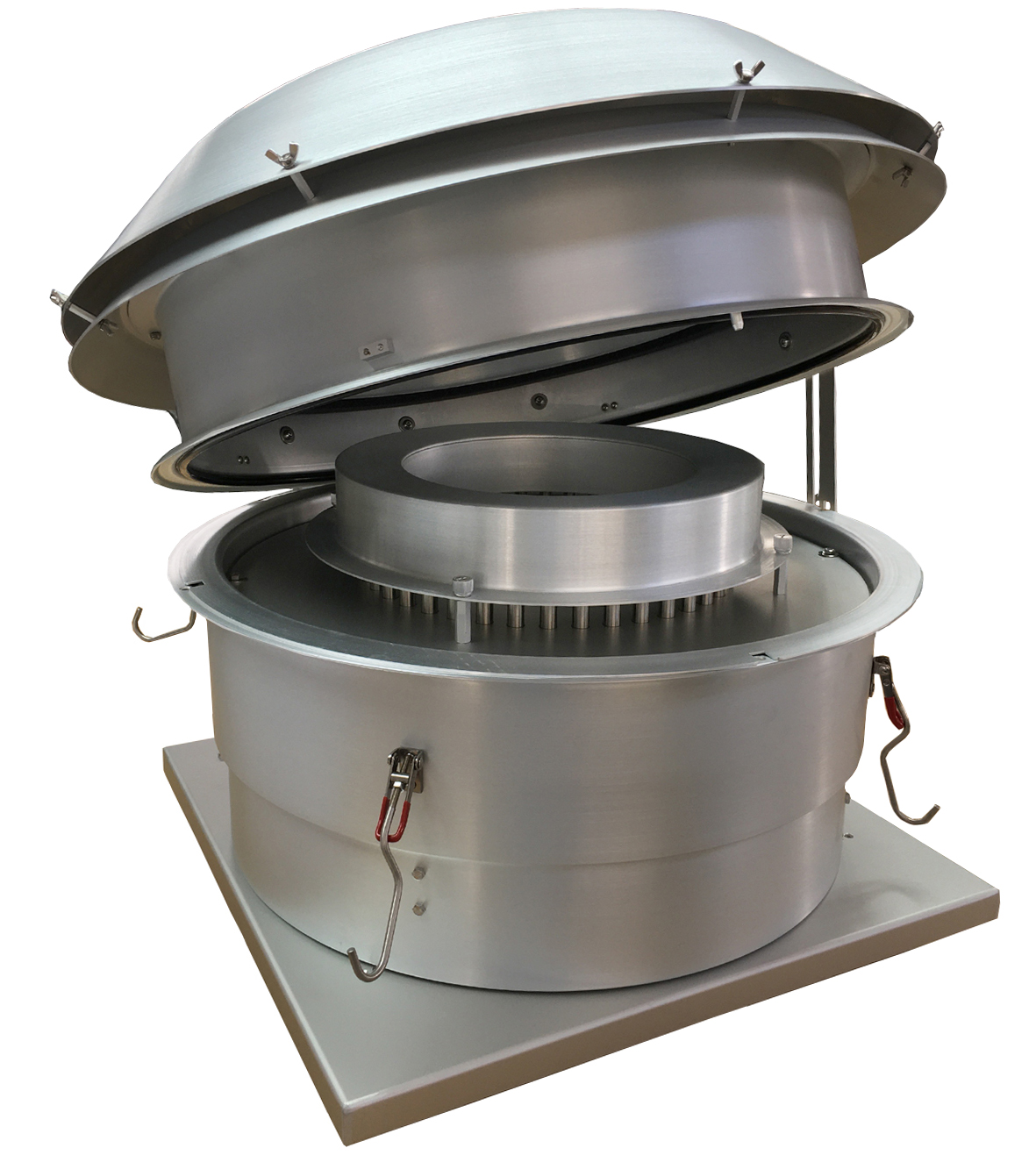
Key Components of an Air Sampler
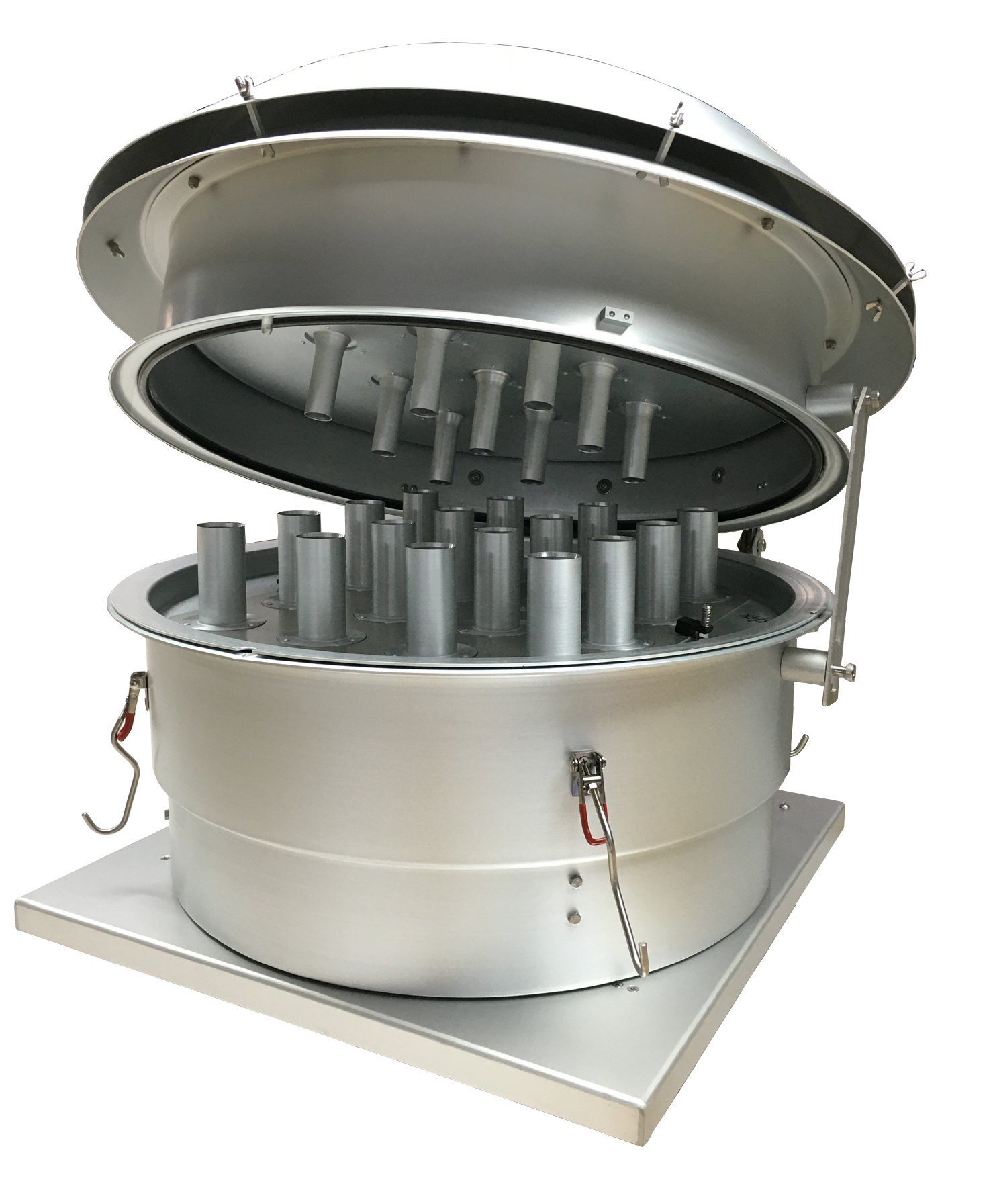
A typical air sampler consists of the following main components:
Inlet: The entry point for the air being sampled, designed to prevent unwanted particles and ensure a representative sample.
Particle Size Selector: Separates particles based on their aerodynamic diameter. T4 AIR SAMPLER offers various size-selective inlets, such as PM10, PM2.5, and TSP inlets.
Filter Holder: Secures the collection medium (e.g., filter paper, glass fiber filter) during sampling. T4 AIR SAMPLER provides compatible filter holders for various filter types and sizes.
Flow Control System: Maintains a constant flow rate throughout the sampling period, ensuring accurate and reliable results. T4 AIR SAMPLER's air samplers feature advanced flow control systems for stable and precise flow rates.
Vacuum Pump: Creates the necessary suction to draw air through the sampler. T4 AIR SAMPLER uses high-quality, durable pumps for consistent performance and long service life.
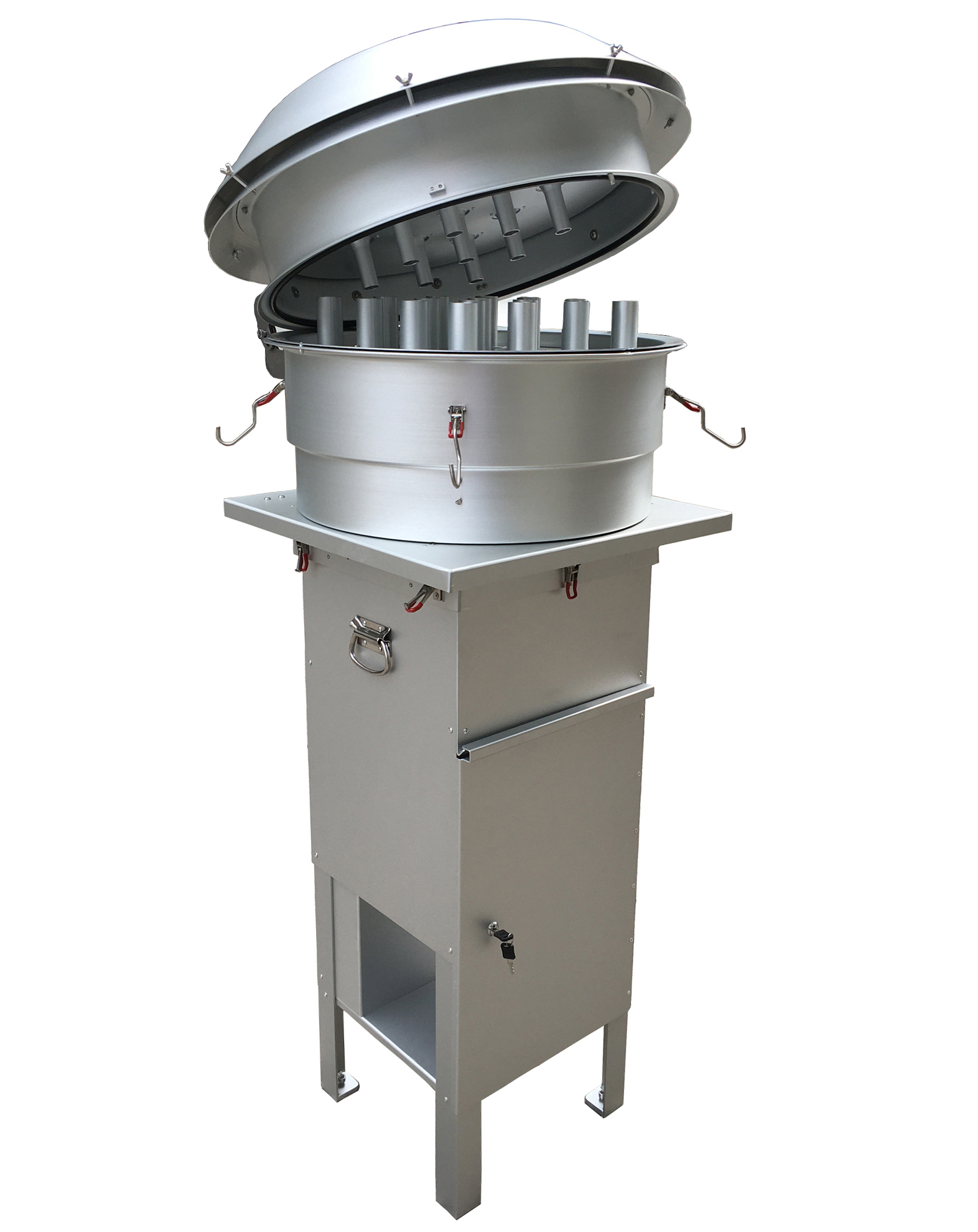
Why Choose T4 AIR SAMPLER for Your Business?
T4 AIR SAMPLER is a leading supplier of high-quality air sampling solutions, offering:
A wide range of air samplers for various applications
Advanced technology and reliable performance
Customized solutions tailored to your business needs
Expert support and guidance from our experienced team
Contact T4 AIR SAMPLER today to discuss how our air sampling solutions can help your business maintain a safe, healthy, and compliant environment.
Frequently Asked Questions
How does a high volume air sampler work?
A high volume air sampler uses a powerful blower to pull large volumes of ambient air through a filter at a controlled flow rate. Particulate matter such as PM10 and PM2.5 is trapped on the filter medium, which is then weighed or analysed in a laboratory to calculate airborne concentration.
What is the difference between high volume and low volume air samplers?
High volume air samplers move a much larger volume of air per minute, so they collect enough particulate mass for gravimetric analysis in a short sampling period. Low volume samplers run at lower flow rates and are better suited to long-term, unattended monitoring of PM2.5 and PM10.
What are the main components of an air sampler?
Every air sampler combines an air intake or sampling head, a filter or collection medium, a sampling pump or blower, and a flow control system. T4 AIR SAMPLER units add weather-resistant housings, timers and flow indicators for reliable outdoor operation.
Why do businesses need air sampling?
Air sampling helps businesses in manufacturing, healthcare, food processing and commercial buildings prove regulatory compliance, protect worker health and detect pollution sources before they become a liability.
How often should an air sampler be calibrated?
Calibration should be performed before and after every critical sampling campaign, and at least quarterly for continuously deployed units. Regular calibration protects data accuracy and keeps your monitoring defensible in audits.
Can T4 AIR SAMPLER supply samplers for both PM10 and PM2.5?
Yes. T4 AIR SAMPLER offers high volume air samplers configured with PM10 inlets, PM2.5 heads and combined PM10 and PM2.5 inlets, so one platform can cover your whole particulate monitoring programme.