Before diving into the intricacies of air sampling, it's crucial to understand its significance and the steps involved in executing it effectively. This guide will walk you through the process of air sampling, providing insights into the fundamentals, purpose, techniques, preparation, and execution. Whether you're an environmental scientist, occupational health professional, or researcher, mastering these steps will enable you to conduct thorough air quality assessments and contribute to informed decision-making.
Step 1: Understand the Fundamentals of Air Sampling
Before embarking on your air sampling journey, it's essential to grasp the foundational concepts of this crucial practice. Air sampling serves as a diagnostic tool, enabling the identification and quantification of airborne contaminants such as particulates, gases, chemical vapors, and biological agents. Systematically collecting air samples allows for the detection of potential hazards, assessment of exposure levels, and implementation of necessary measures to safeguard environmental integrity and public health. A solid understanding of the principles underpinning air sampling is paramount for conducting successful environmental and occupational health assessments.
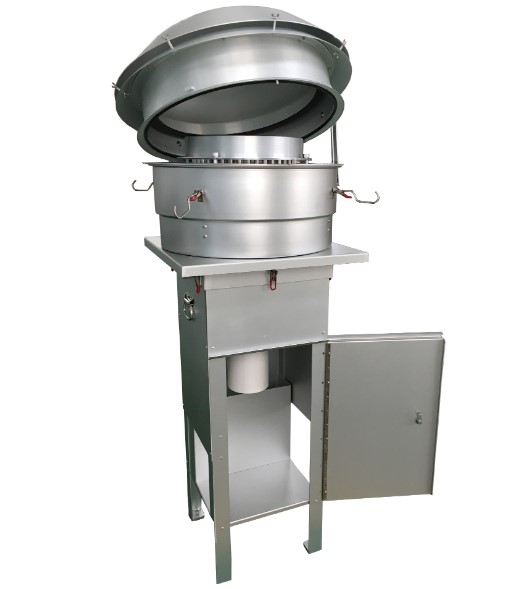
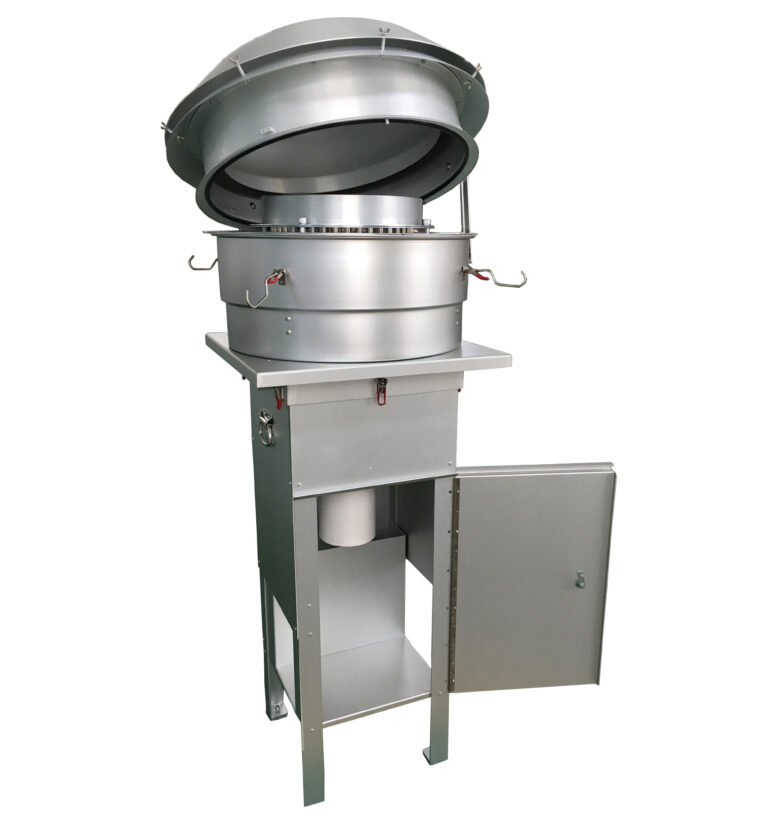
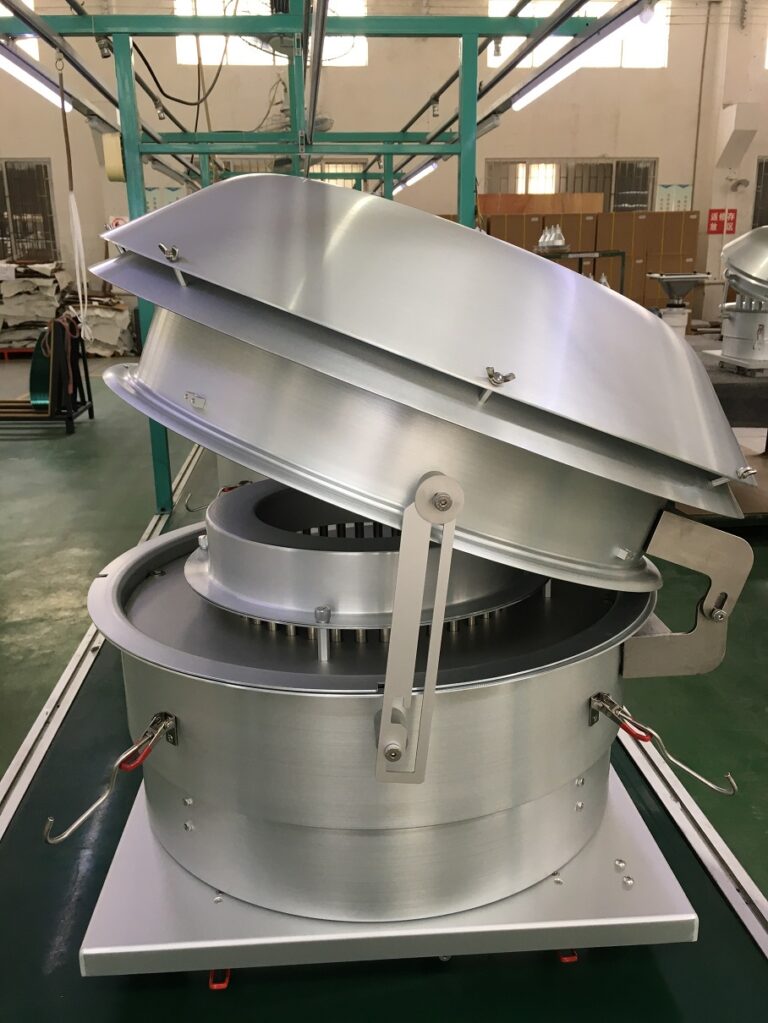
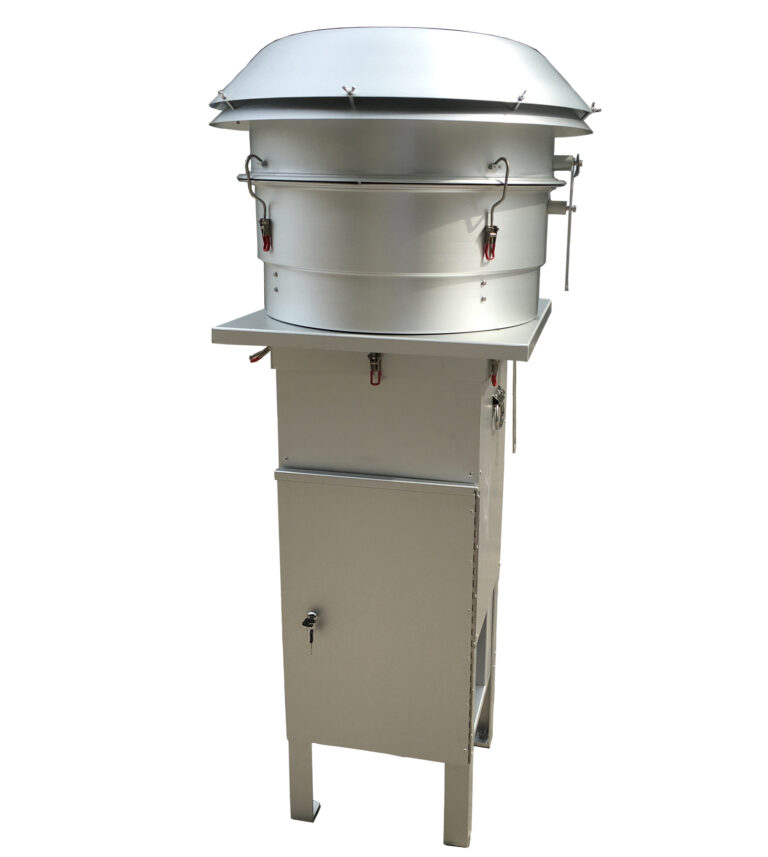
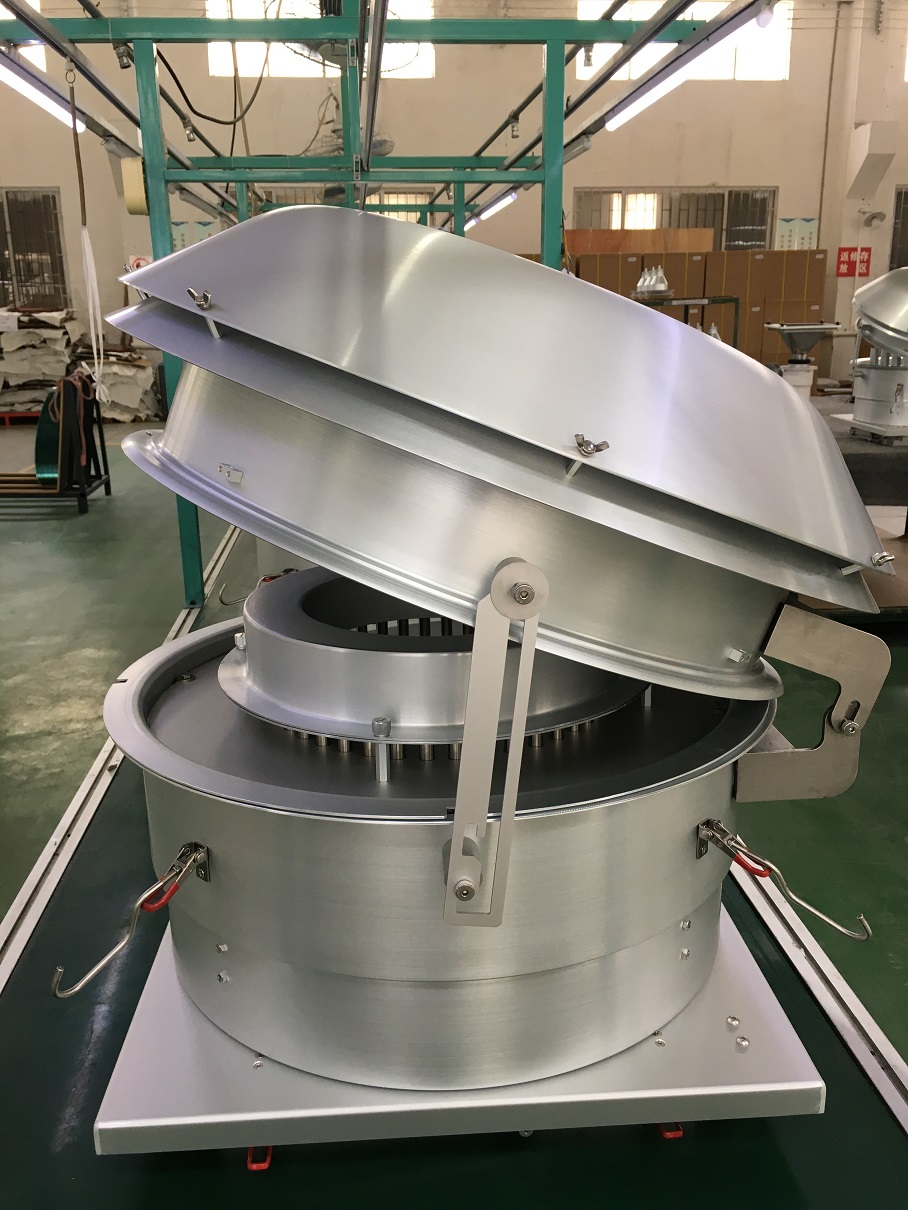
Environmental Air Sampling Equipment
Step 2: Define The Purpose Of Air Sampling
Before initiating air sampling, determining its purpose is critical. Clearly outline the objectives, whether it involves targeting specific pollutants, assessing indoor air quality, or conducting source identification studies. Each objective may require distinct sampling strategies and methodologies. Aligning sample efforts with specific goals ensures the effectiveness and relevance of the collected data.
Step 3: Choose the Right Air Sampling Technique
Identifying the objective of your air sampling initiative allows you to select the most fitting technique for collecting samples. The spectrum of methods ranges from grab sampling, which captures a single moment in time, to passive and active sampling, which can provide a more comprehensive representation of air quality over a period. Factors such as the specific contaminants of interest, the duration of sampling, sensitivity requirements, and compliance with regulatory standards must all be considered. For the best results, it's advisable to refer to established guidelines or consult with industry experts to determine the most effective sampling technique for your needs.
Step 4: Prepare Diligently For Air Sampling
Thorough preparation is crucial to ensure accurate and reliable air sampling results. Conduct a comprehensive site assessment to identify potential contamination sources. Acquire and calibrate the necessary sampling equipment, such as pumps, filters, sorbent tubes, or impingers, in accordance with manufacturer recommendations or industry standards. Develop a well-structured sample strategy, detailing sampling times, locations, and other relevant factors.
Step 5: Execute The Air Sampling Process
With all preparations in place, it is time to carry out the air sampling process. Adhere to the sampling plan diligently, following recommended sampling durations and flow rates. Proper handling and storage of samples are critical to prevent contamination or degradation. Detailed records of sample conditions, weather observations, and other relevant data should be maintained. If needed, establish a chain of custody for samples to ensure data integrity.
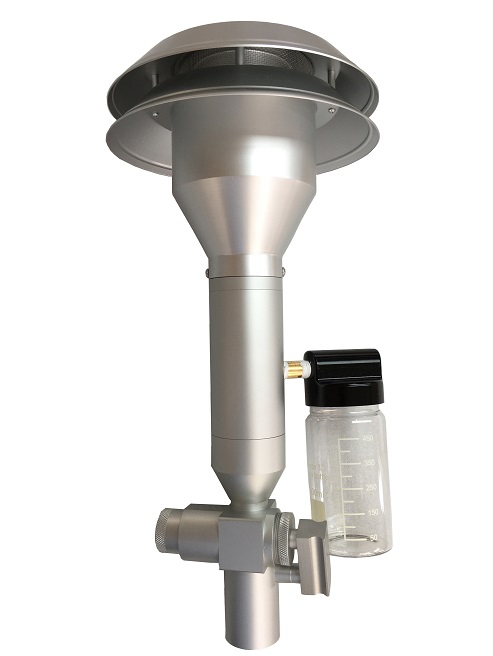
Environmental Air Quality Monitoring Equipment
Conclusion
As you conclude your air sampling endeavor, it's vital to reflect on the process and its outcomes. Effective air sampling requires meticulous planning, precise execution, and attention to detail at every step. By adhering to the outlined procedures and leveraging appropriate techniques, you can obtain reliable data crucial for understanding and mitigating air quality challenges. Remember to document your sampling procedures thoroughly and maintain transparency throughout the process. With a commitment to excellence in air sampling practices, you contribute significantly to environmental preservation and public health protection.
T4 AIR SAMPLER stands at the forefront as a prominent supplier of air samplers in China, providing a wide array of devices suited for diverse sampling needs. To explore our selection and find the perfect tool for your air quality assessment projects, visit our website for comprehensive product information and support.
FAQs:
How Often Should Air Sampling Be Conducted?
The frequency of air sampling depends on various factors, including legal requirements, industry standards, and specific program goals. Regular monitoring is recommended to track changes in air quality and ensure ongoing environmental safety.
What Are Some Common Air Pollutants That Can Be Detected Through Air Sampling?
Air sampling can detect a wide range of pollutants, including particulate matter, volatile organic compounds (VOCs), gases (e.g., carbon monoxide and ozone), microbiological contaminants, and many others.
How Can I Ensure The Accuracy Of Air Sampling Results?
To ensure accurate air sampling results, follow proper sampling techniques, calibrate equipment, minimize contamination risks, and adhere to relevant quality assurance and quality control procedures.
Frequently Asked Questions
What is air sampling and why does it matter?
Air sampling is the process of collecting airborne particulate matter or gases so their concentration can be measured. It underpins air quality assessment, compliance reporting and health risk evaluation.
What is the first step in air sampling?
Define the purpose. Decide whether you need compliance data, exposure assessment or source identification, because that determines the technique, flow rate and sampling duration.
How do I choose the right air sampling technique?
Match the technique to your objective: high volume sampling for short, mass-rich campaigns, low volume sampling for long unattended runs, passive sampling for simple averages and grab sampling for spot checks.
How should I prepare for air sampling?
Calibrate the flow rate, prepare and pre-weigh filters, check the inlet and seals, verify the power supply, record site conditions and label every sample before you start.
What should I do during sampling?
Keep the flow rate within specification, log start and finish times, note any disturbance or equipment fault, and avoid moving the sampler once the campaign has begun.
What happens after the sampling run?
Recover the filter with clean forceps, condition and reweigh it or send it for analysis, calculate the concentration from mass and sampled volume, then document and archive the record.