PM2.5 filters are essential components for maintaining clean air quality both indoors and outdoors. They are engineered to trap fine particulate matter, which can be detrimental to our health. Found in a variety of applications such as face masks, air purifiers, and HVAC systems, these filters require regular replacement to continue operating at peak efficiency. Understanding when to replace your PM2.5 filter is key to ensuring ongoing protection from airborne pollutants.
However, how often you should replace a PM 2.5 filter?
What Is The Lifespan Of PM 2.5 Filters?
The lifespan of a PM 2.5 filter might vary based on factors such as pollution level, usage environment, and filter quality. In general, PM 2.5 filters are meant to be updated after a specified amount of time to guarantee peak performance. Most manufacturers give recommendations for replacement intervals, which usually vary from a few weeks to a few months.
Follow The Manufacturer's Recommendations
The first step in determining how often to replace a PM 2.5 filter is to refer to the manufacturer's recommendations. Check the packaging or the product manual for specific instructions regarding the filter's lifespan. Manufacturers often conduct tests and research to determine the optimal replacement period for their filters based on their design and filtration efficiency.
Assess Environmental Factors
In addition to the manufacturer's recommendations, environmental factors that might impact the lifespan of a PM 2.5 filter must be considered. If you reside in a polluted environment or are constantly exposed to smoke, dust, or other toxins, the filter may need to be replaced more frequently. Similarly, if you use the filter in a workplace or a location with high particle concentration, it may need to be replaced more frequently than filters used in cleaner environments.
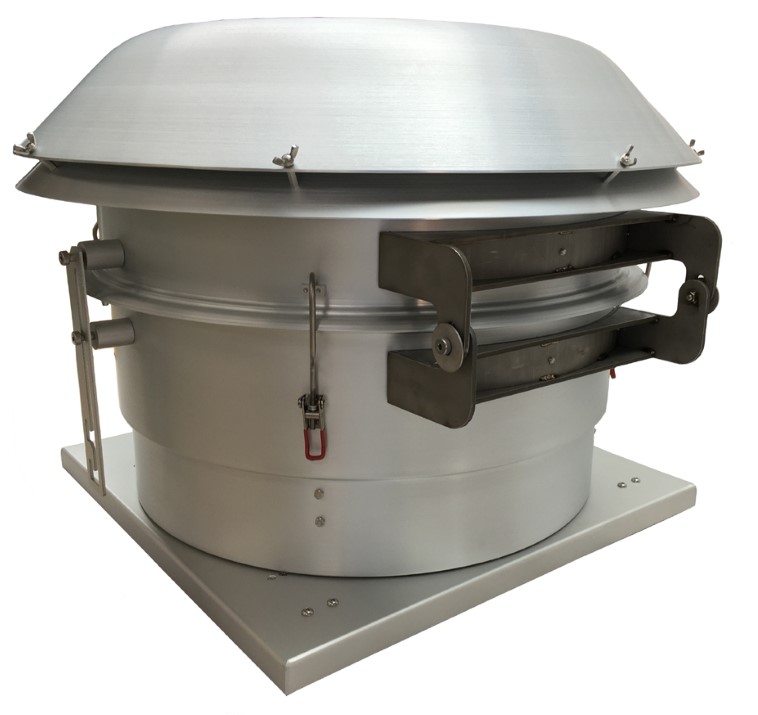
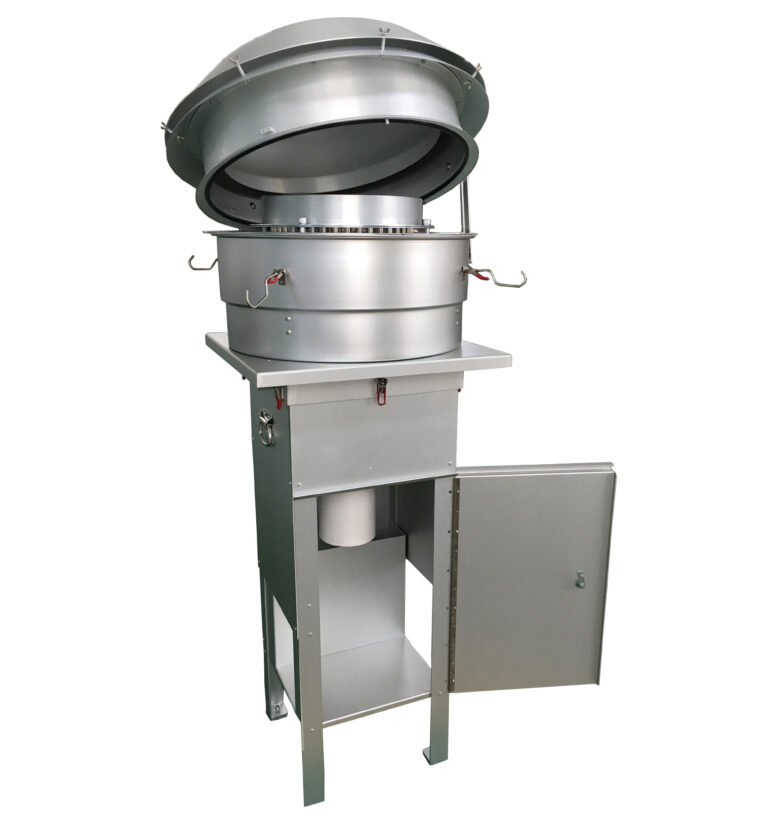
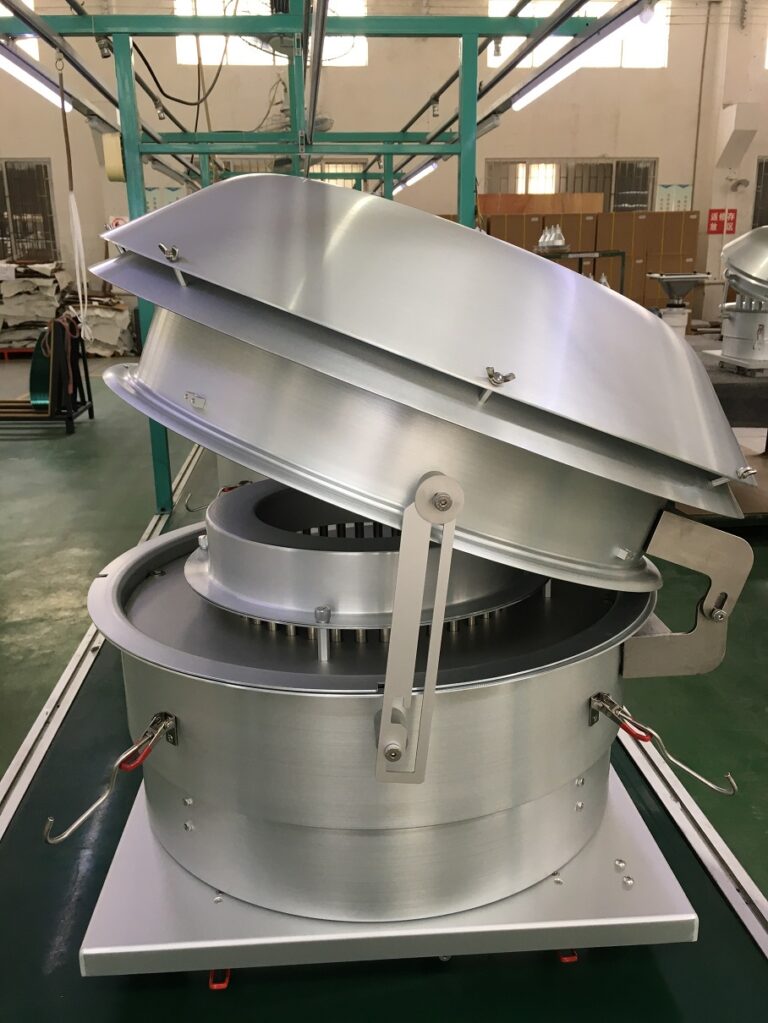
PM10 And PM2.5 Inlet For Outdoor Air Sampling
Consider the Air Quality Index (AQI)
For a more precise assessment of when to replace your PM2.5 filter, keep an eye on the local Air Quality Index (AQI). The AQI measures the daily pollution levels and can be a useful guide to determine the rate at which your filter is being challenged by external conditions. In areas where the AQI frequently indicates high levels of particulate matter, it's advisable to shorten the lifespan of your filter accordingly.
Monitor Filter Condition
Regularly inspect the condition of your PM 2.5 filter to determine if it needs replacement. Over time, filters can become clogged with particles, reducing their effectiveness. If you notice visible signs of wear and tear, such as discoloration, holes, or a significant decrease in filtration performance, it is likely time to replace the filter. Furthermore, some filters have an indication, such as a color change or a pressure reduction, to indicate when it is time to replace it. Pay attention to these indications and respond accordingly.
Maintain A Replacement Schedule
To ensure consistent performance and maintain clean air, it is recommended to establish a replacement schedule for your PM 2.5 filters. Based on the manufacturer's recommendations and considering environmental factors, create a schedule that suits your specific needs. To ensure prompt replacement and uninterrupted filtration, mark the replacement dates on a calendar or set reminders.
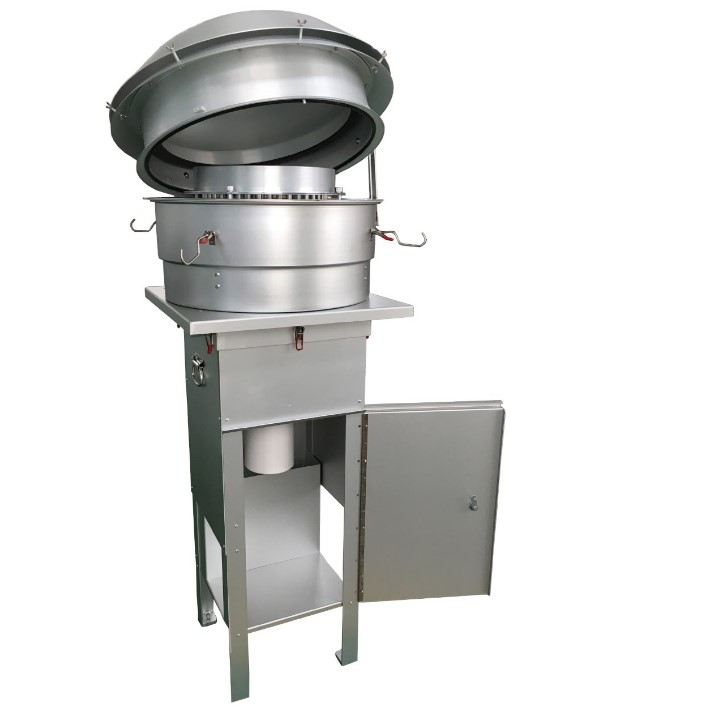
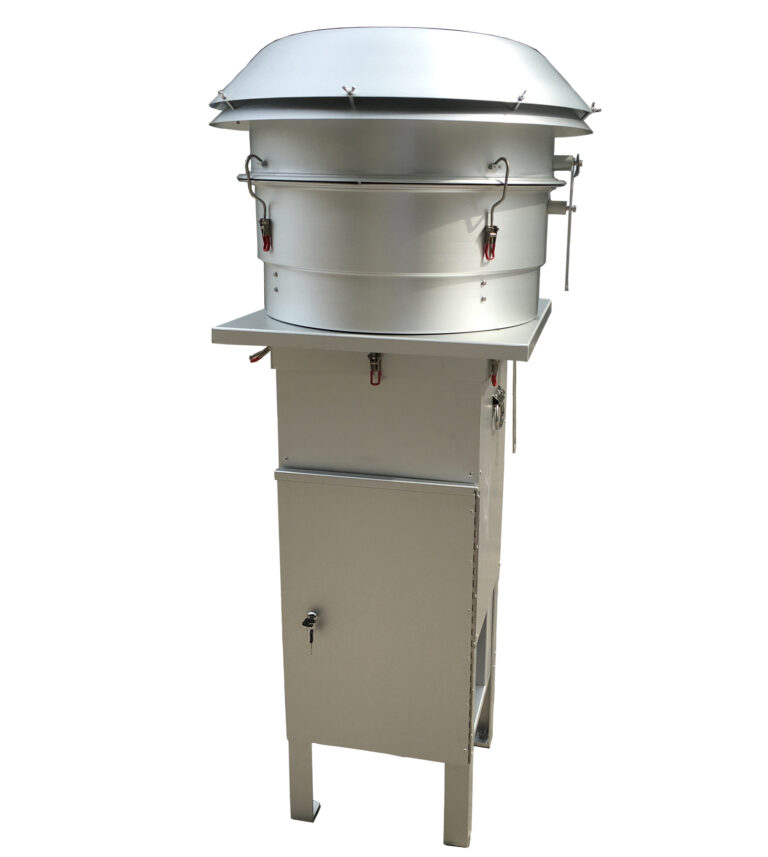
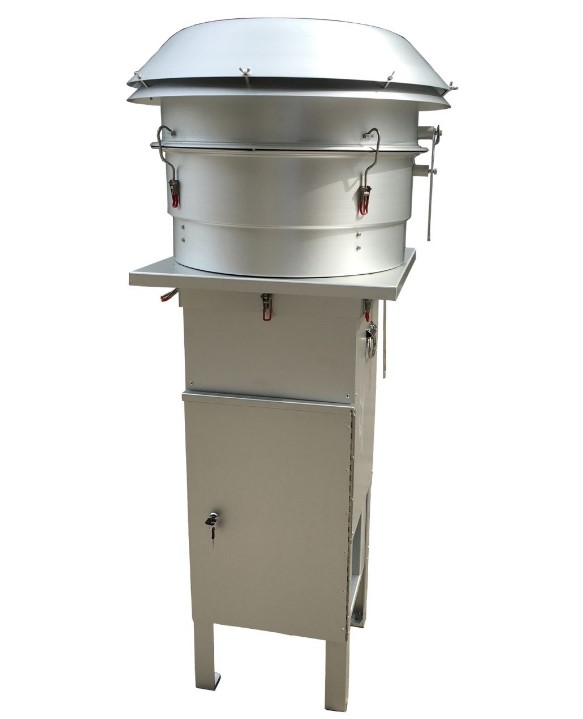
Cabinet For PM10 And PM2.5 Outdoor Air Sampling
Quality Matters
It's crucial to select high-quality PM2.5 filters crafted by trusted manufacturers. Superior filters not only deliver enhanced filtration efficacy and robustness but also extend the intervals between replacements. Opting for a reliable filter can lead to cost savings in the long run due to decreased frequency of replacements and more effective long-term filtration performance.
Conclusion
In conclusion, the replacement frequency of a PM2.5 filter is influenced by a combination of manufacturer guidelines, environmental conditions, and the filter's physical state. For those in search of premium PM2.5 filters that promise both reliability and longevity, consider our T4 AIR SAMPLER. Our filters are designed to meet the highest standards, ensuring that you breathe cleaner, healthier air. Don't hesitate to reach out to us for your air quality needs!
Frequently Asked Questions
How often should I replace a PM2.5 filter?
Follow the manufacturer's interval first, then adjust for your environment. Filters in heavy dust or high AQI conditions may need replacing far sooner than the nominal interval.
What is the typical lifespan of a PM2.5 filter?
In sampling applications the filter is usually replaced at the end of every sampling run, while in air purification equipment the lifespan is typically measured in months of continuous use.
Which environmental factors shorten filter life?
High particulate concentrations, construction dust, wildfire smoke, high humidity and heavy pollen seasons all load a filter faster and shorten its useful life.
How does the Air Quality Index help?
A consistently high AQI means more particles are being captured, so the filter saturates sooner. Tracking local AQI helps you anticipate an earlier replacement.
What are the signs that a PM2.5 filter needs replacing?
Visible discolouration or loading, reduced airflow, higher pressure drop across the filter, and a measurable drop in performance all indicate the filter should be changed.
Why does filter quality matter?
Cheap or poorly sealed filters can bypass air or shed media, which invalidates both sampling results and purification performance. Use filters specified for your inlet and analysis method.