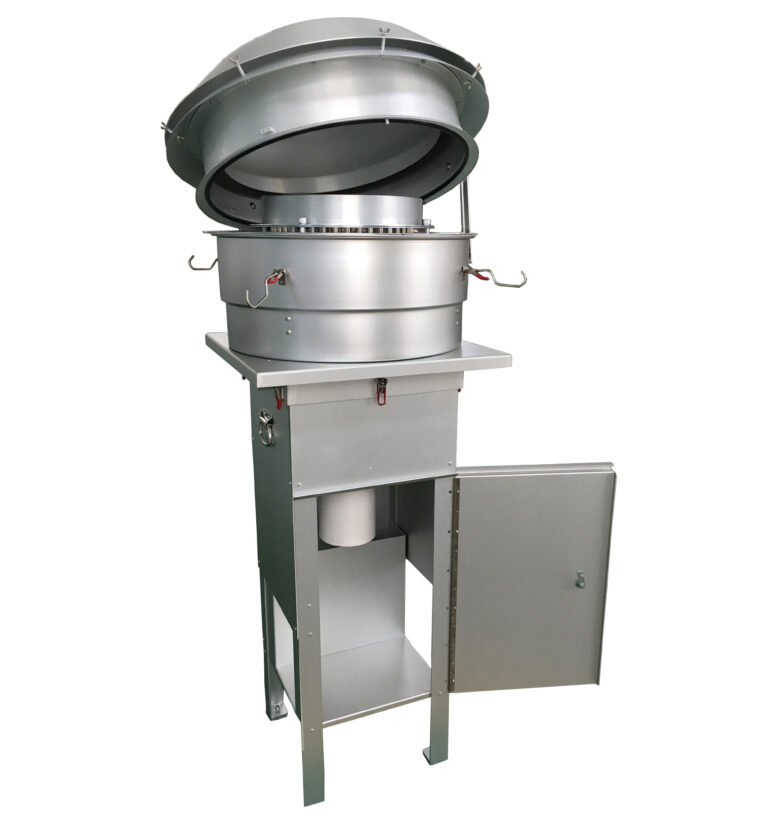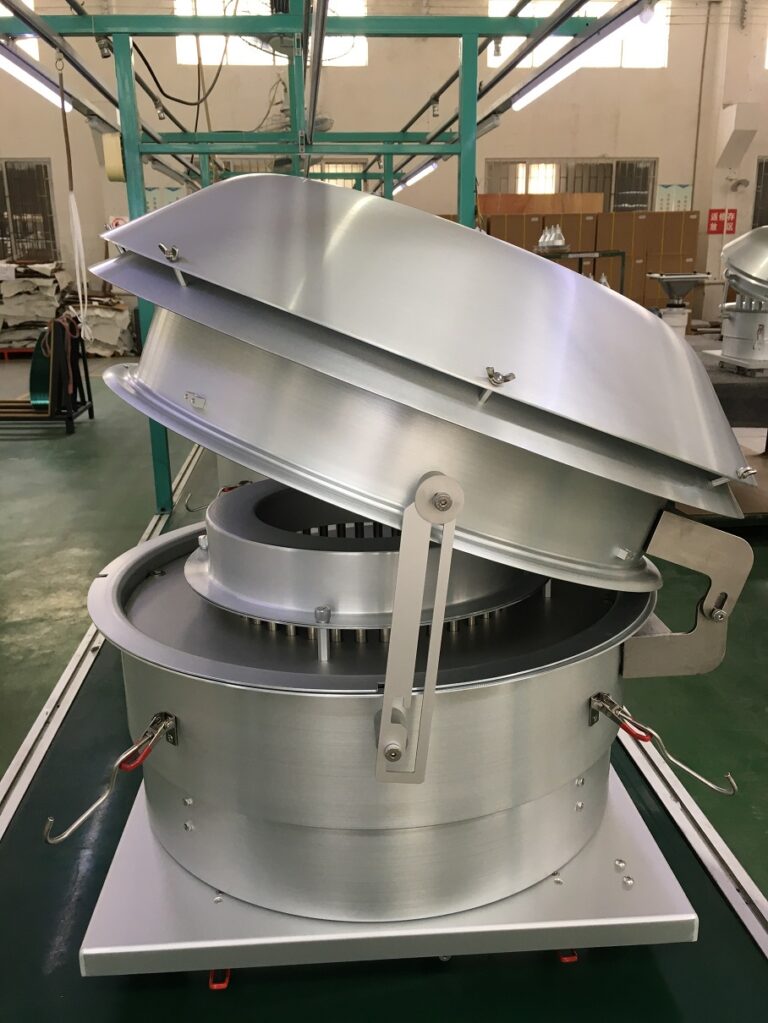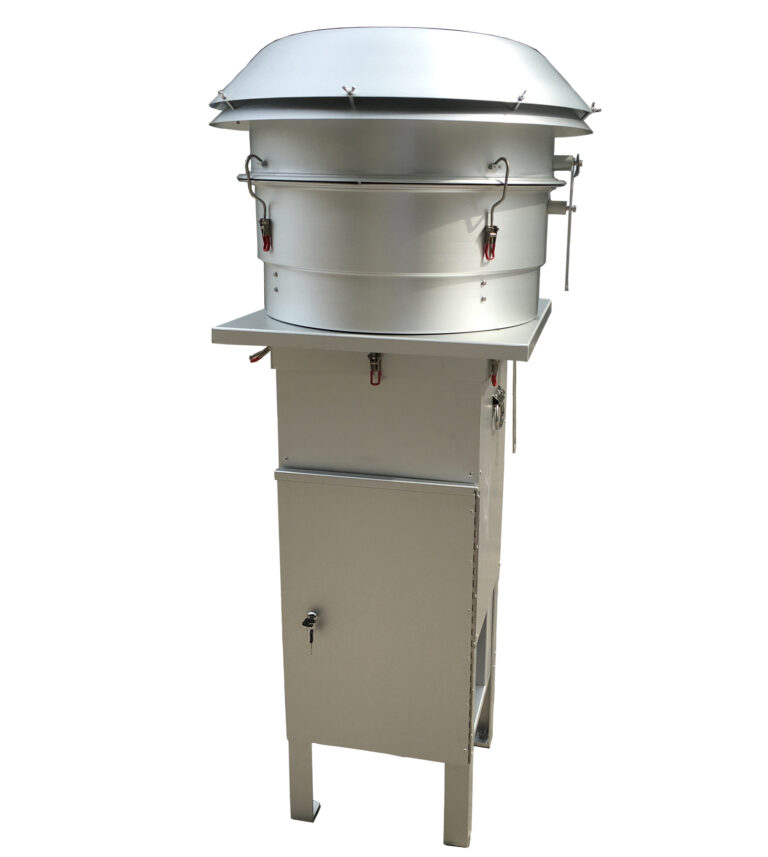
Air quality monitoring is a crucial aspect of environmental protection and public health. With industrialization and urban development contributing to increasing air pollution levels, the deployment of advanced technologies for detecting and analyzing airborne contaminants is more vital than ever. High Volume Air Sampler (HVAS) stand out as one of the most reliable tools in environmental science for assessing air quality. In this article, we delve into the intricacies of high volume air samplers, their operation, and their pivotal role in safeguarding our environment and health.
Understanding High Volume Air Samplers and Their Importance
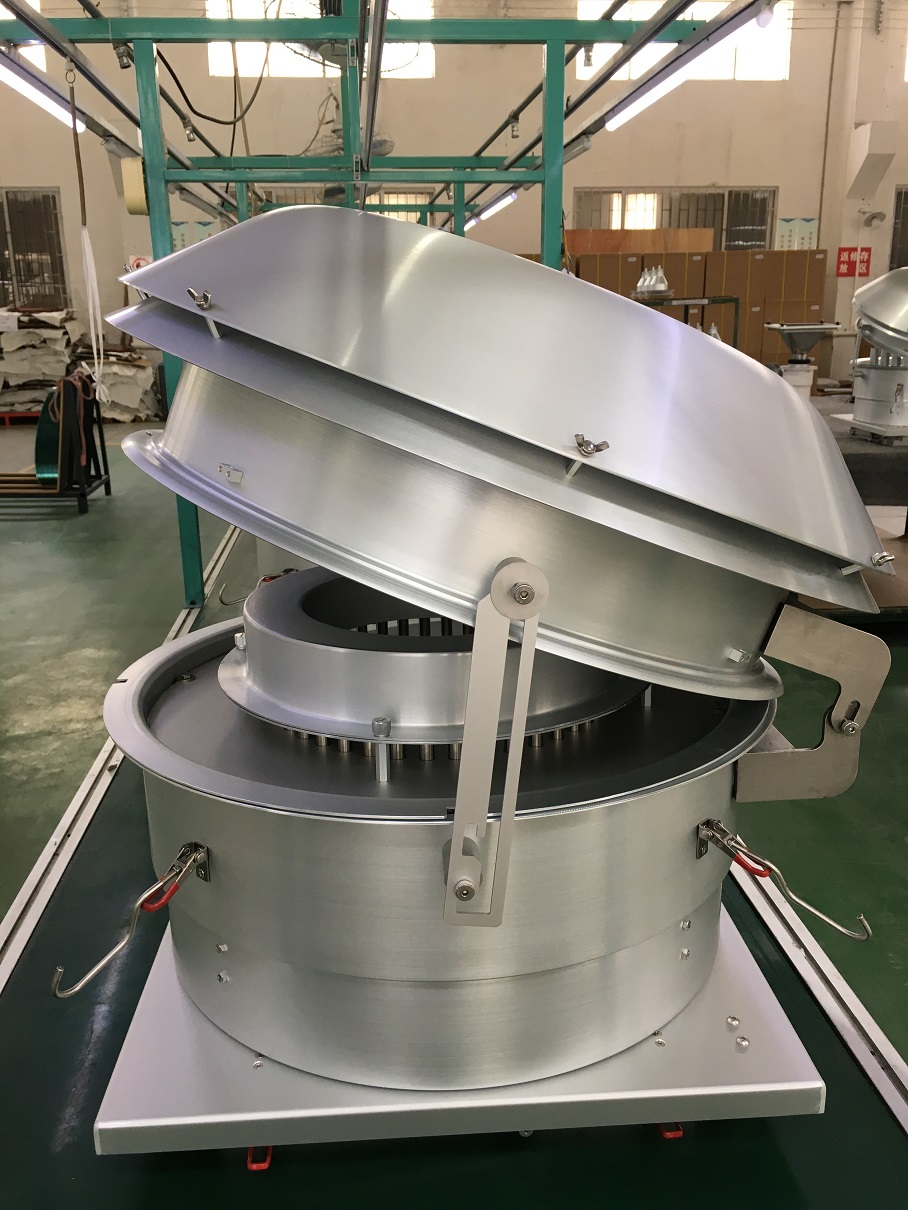
In the quest to maintain a healthy environment and protect public health, high volume air samplers (HVAS) are indispensable tools in the armory of environmental scientists and regulatory agencies. These devices are engineered to capture a significant amount of air, filtering and analyzing the particulate matter and gaseous substances that can pose risks to ecosystems and human well-being.
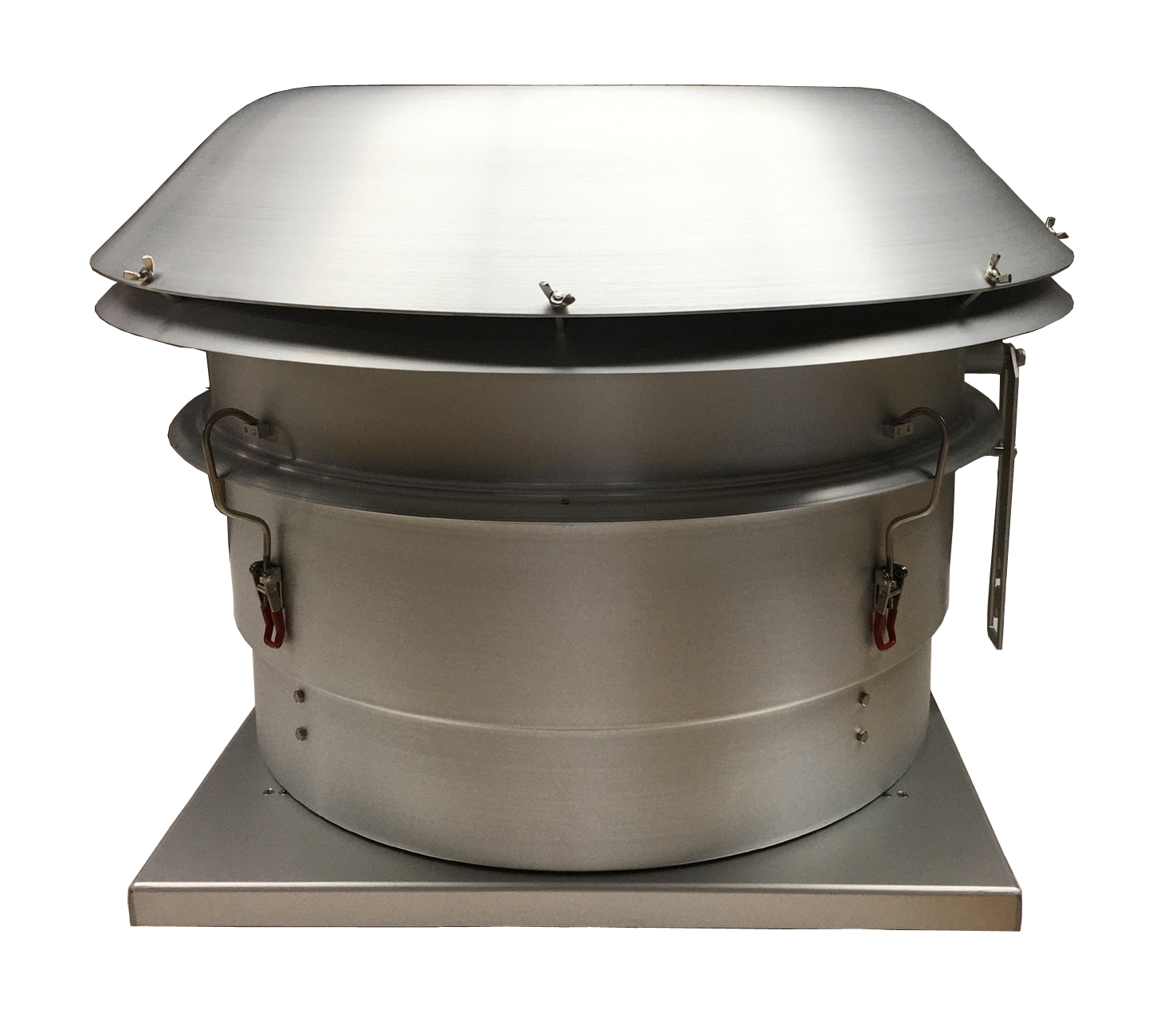
The Vital Role of High Volume Air Samplers
High volume air samplers are critical in our efforts to understand and mitigate the impact of air pollution. By providing accurate and comprehensive data on airborne pollutants, HVAS units enable us to:
- Track air quality trends over time
- Identify the presence and concentration of specific pollutants
- Assess compliance with air quality standards and regulations
- Understand the effectiveness of pollution control strategies
- Evaluate the potential health risks associated with air pollution exposure
- With these capabilities, high volume air samplers serve as a cornerstone for environmental monitoring and play a pivotal role in informing policy decisions and public health advisories.
The Working Principle of High Volume Air Samplers
The fundamental operation of a high volume air sampler revolves around its ability to draw in a substantial volume of ambient air through a filter designed to trap particles of varying sizes. The air is drawn through the filter at a consistent flow rate, ensuring that the sample collected is representative of the air quality over the sampling period.
Key Components of a High Volume Air Sampler
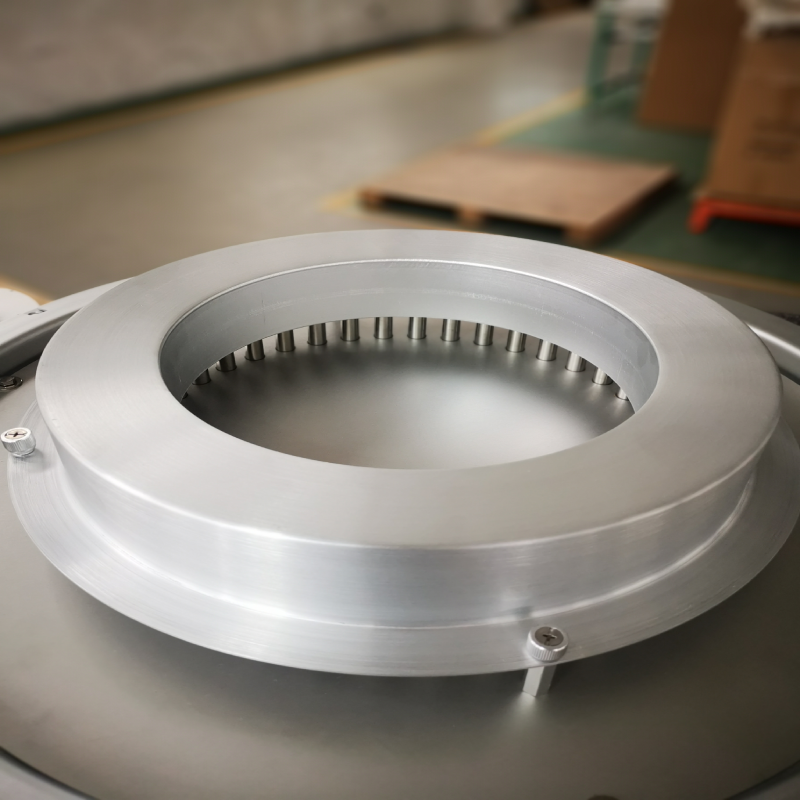
Sampling Inlet: Positioned to avoid contamination and to capture air that is representative of the broader environment.
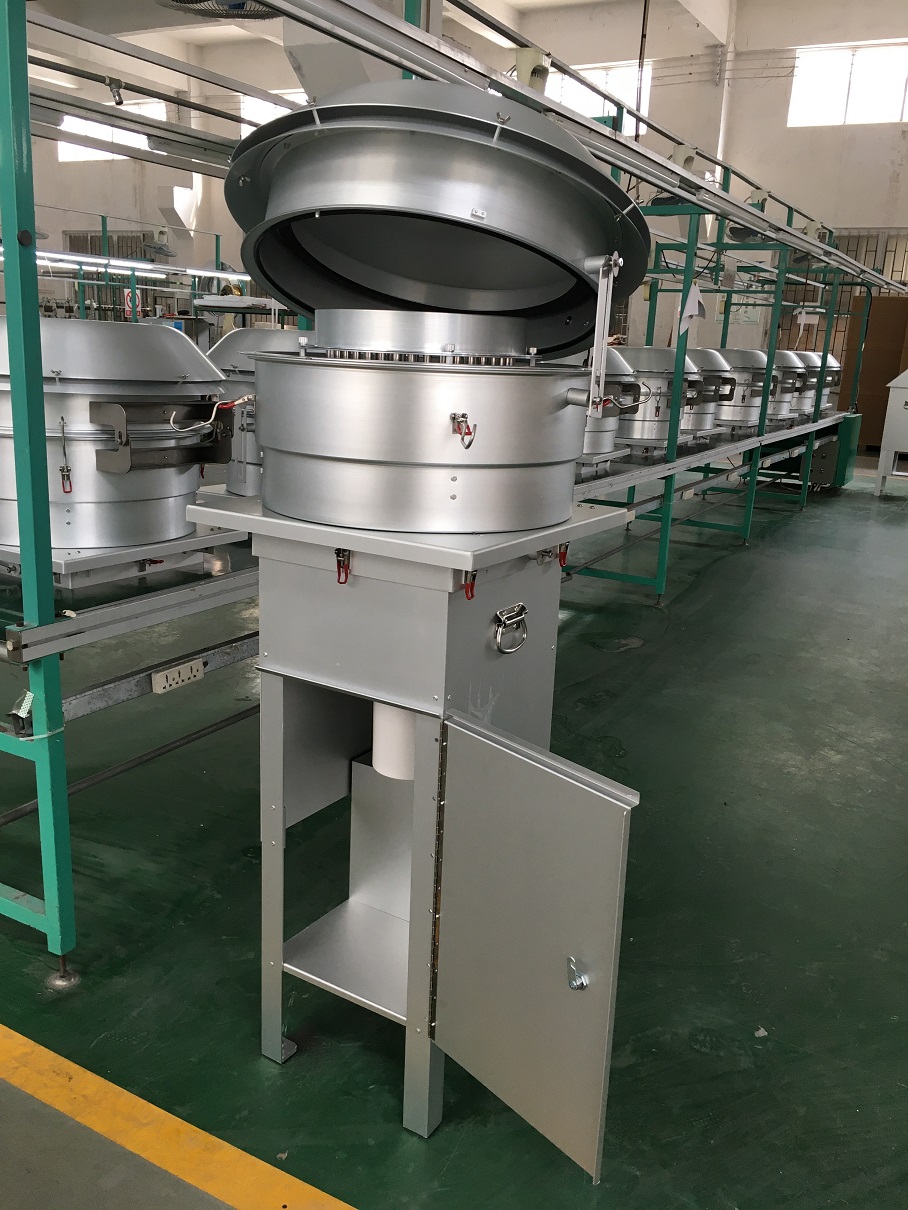
High-Efficiency Blower or Pump: Ensures a consistent and high flow rate of air through the system.
Filter Media: Typically made of materials like fiberglass or quartz fiber, these filters are selected for their ability to capture a wide range of particulate matter effectively.
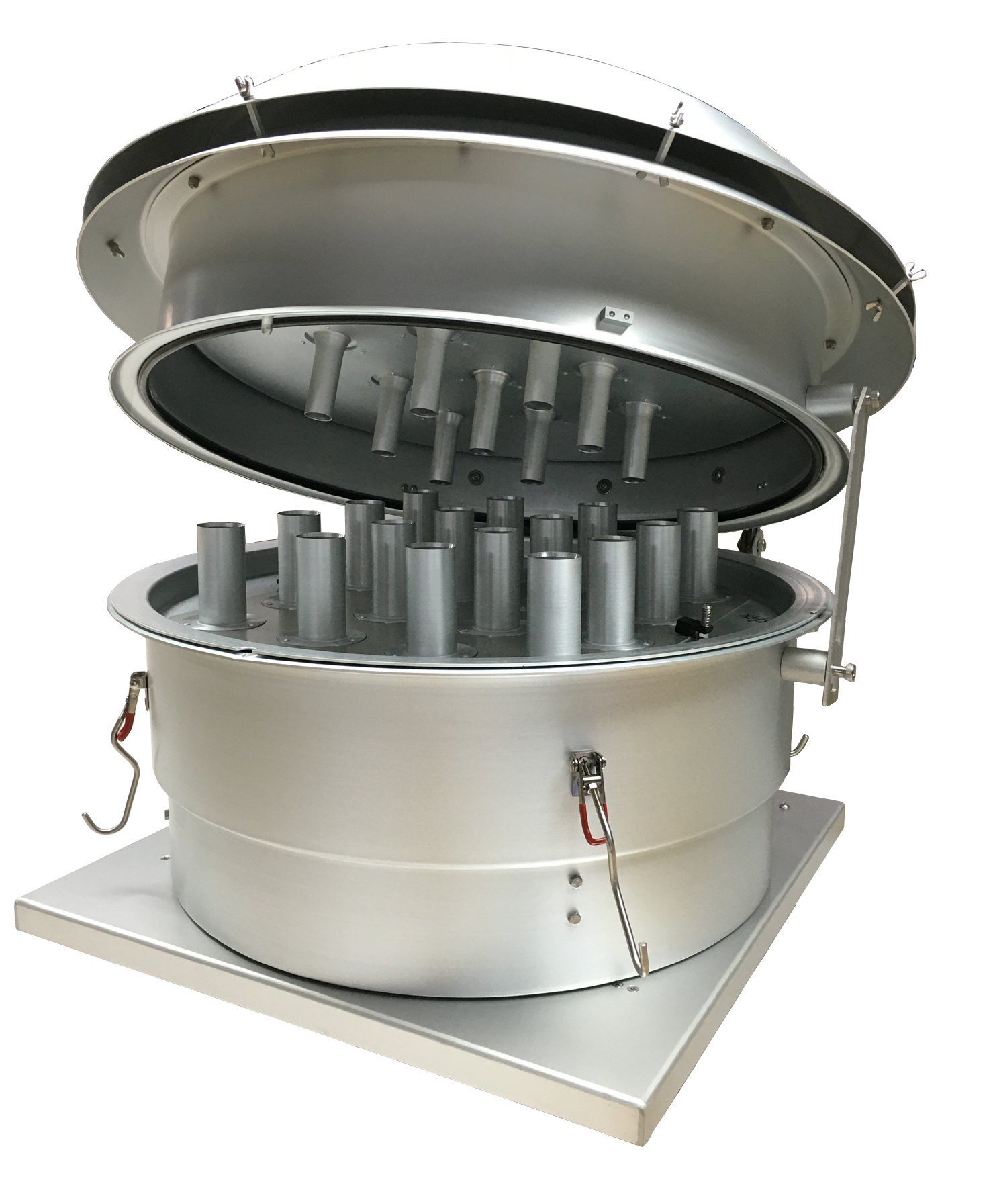
High Volume Air Sampler For Hazardous Particulate Matter Monitoring
Analytical Sensors: Integrated sensors provide real-time data on various air quality parameters, including particulate matter levels and gas concentrations.
By utilizing a high volume air sampler, environmental professionals can obtain a detailed snapshot of the air quality in any given area, making it a versatile and essential instrument for air monitoring campaigns.
Conclusion
For those in search of top-quality high volume air samplers, T4 AIR SAMPLER is your go-to source. Our extensive selection includes not only high volume air sampler but also specialized lower volume air sampler to meet diverse monitoring needs. Get in touch with us today to find the perfect solution for your air quality monitoring requirements!
Frequently Asked Questions
What is a high volume air sampler?
A high volume air sampler, often abbreviated HVAS, is an instrument that draws large volumes of ambient air through a filter at a high controlled flow rate to collect particulate matter for analysis.
Why are high volume air samplers important?
They collect enough particulate mass in a short time to support accurate gravimetric and chemical analysis, which is essential for compliance reporting and health studies.
How does a high volume air sampler work?
A blower pulls air through a size-selective inlet and then through a filter. The flow controller holds the rate steady while the filter captures PM10, PM2.5 or total suspended particulate.
What are the key components?
The main components are the size-selective inlet or sampling head, the filter holder, the high flow blower and the flow control system, usually mounted in a weather-resistant cabinet.
What flow rate does a high volume air sampler use?
High volume samplers typically operate at flow rates from around 1 cubic metre per minute upwards, which is what allows a large sample mass to be collected quickly.
What accessories does an outdoor HVAS need?
A base cabinet, blower motor housing, TSP cabinet or filter holder assembly protects the unit outdoors and makes filter changes safer and cleaner.