
PM10 Air Sampler for Outdoor Ambient Air Quality Monitoring
This guide to the T4 AIR SAMPLER PM10 air sampler range explains how coarse particulate is captured outdoors and which configuration fits a given monitoring program. It covers high volume PM10 sampling at about 1.13 m3/min and low volume PM10 sampling at about 16.7 L/min onto a 47 mm disc, the difference between PM10, PM2.5 and TSP, size selective inlets, gravimetric analysis, housings and cabinets, calibration and maintenance, packing and lead time. It is written for environmental agencies, integrators and distributors who specify or resell ambient monitoring hardware.
What PM10 Is and How a PM10 Air Sampler Works
PM10 is particulate matter with an aerodynamic diameter of 10 micrometers or less. The fraction carries coarse dust from roads, construction, material handling and agriculture together with the fine particles that also fall below the cut. A PM10 air sampler separates that fraction from the wider aerosol and collects it on a filter so the mass can be weighed.
Separation happens by inertial impaction inside the inlet. Air is accelerated and turned, and particles with too much inertia leave the airstream and stick to an impaction surface, while smaller particles follow the flow to the filter. High volume PM10 sampling runs at about 1.13 m3/min, while low volume PM10 sampling typically runs at 16.7 L/min onto a 47 mm filter.
Constant flow matters because a concentration is the collected mass divided by the volume of air that passed the filter. Any drift in the flow becomes a direct error in the reported concentration, which is why both MFC and VFC systems log the volume and why flow checks belong on a fixed schedule.
PM10, PM2.5 and TSP: What Each Fraction Tells You
TSP is total suspended particulate: everything the inlet can capture, including the larger dust that settles close to a source. PM10 is the fraction that penetrates the thoracic region, and PM2.5 is the fine fraction that reaches the deepest parts of the lung. Regulators usually report PM10 and PM2.5 together, and the PM2.5 to PM10 ratio shows how much coarse dust a site carries.
Many programs run both fractions at one station. Our double channel low volume sampler collects PM10 and PM2.5 at the same time from a single housing, which avoids a second installation and keeps the two data sets directly comparable. Where only one fraction is required, a single channel housing with the matching inlet is the simpler choice.
PM10 Air Sampler Configurations and Models We Build
The high volume core is the PM10-HV inlet head, the complete PM10 high volume sampler housing assembly, and the same assembly in MFC or VFC flow controlled form. Around that platform we supply the base cabinet for PM10 and PM2.5 systems, the PM10/PM2.5 filter holder, blower motor housings, and filter and motor housing sets.
For low volume work the range includes the PM10 low volume inlet, the PM10 low volume cabinet, the PM10 and PM2.5 low volume inlet assembly with a cyclone or with a PM2.5 impactor, the connect pipe, the low volume filter holder for 47 mm discs, and the double channel sampler. Media and consumables include 8 x 10 inch glass fiber filter paper and 47 mm discs.
| Item | High volume PM10 | Low volume PM10 |
|---|---|---|
| Typical flow rate | 1.13 m3/min (40 CFM) | 16.7 L/min |
| Filter | 8 x 10 inch sheet | 47 mm disc |
| Flow control | MFC or VFC | Mass flow or volumetric control |
How to Choose a PM10 Air Sampler
Start with the fraction the program reports and the volume the method requires. High volume units are chosen when a large filter load is needed for gravimetric work or a second analysis, while low volume units suit compact shelters and 47 mm media. The local reporting standard usually fixes the inlet and the flow rate, so confirm it before ordering.
Flow control comes next. An MFC unit measures mass flow and corrects for temperature and pressure electronically, which keeps the recorded volume stable through the seasons. A VFC unit holds volumetric flow with a Venturi tube, which is simple to service and familiar to operators trained on volumetric methods. Both are supported by our control boxes and housings.
Then decide how much of the unit you want to build. Most of our exports ship as an SKD metal housing set, so the buyer installs their own electronics and the finished sampler matches a local specification. A fitted assembly is available for buyers who prefer a unit that is closer to ready to run. Frequent requests include:
- a PM10 inlet with a matched filter holder
- an MFC or VFC blower housing with a 120 V or 240 V motor
- a cabinet and base cabinet for a fixed station
- a double channel housing for PM10 and PM2.5 together
Materials, Finish and Manufacturing
PM10 inlets, cabinets and filter holders are made in aluminum alloy and stainless steel. Aluminum alloy keeps the cabinet light enough for a rooftop install, while stainless steel is used where a part meets the sample stream or works in coastal and industrial air. The standard finish is high brushed and clear anodized, which resists corrosion without paint that can chip in transit.
Production uses metal spinning for round inlet parts, machining for nozzle plates and threaded connections, and laser cutting and bending for cabinet panels and brackets. Spinning leaves a smooth internal surface in the sample path, and machining holds critical dimensions such as the impaction gap. Parts are trial fitted before packing so that an SKD set assembles without rework.
Installation, Calibration and Maintenance
Set the unit on a rooftop or platform with the inlet at breathing height and clear of walls, vents and exhausts. Bolt the cabinet to a base or mast and orient the inlet away from the prevailing wind. The inlet, filter holder and blower section must be level, and the filter must seal cleanly on its holder.
Calibration depends on the flow control type. MFC units are checked against a primary or transfer standard flow meter and adjusted until indicated flow matches measured flow over the working range. VFC units are verified by confirming that the Venturi holds the design flow and by checking pressure taps and tubing for leaks. Flow records, filter lot numbers and sampling times are what make a result defensible.
Maintenance is routine rather than complex. Inspect and clean the inlet and impaction surfaces, replace gaskets and seals when they harden, and confirm that the blower runs without vibration. Filters are conditioned and weighed before and after exposure and handled with flat forceps, and 8 x 10 inch sheets are stored flat and dry.
Applications and Industries
PM10 samplers are used by environmental agencies running national and regional networks, by integrators building stations for municipal and industrial clients, and by research groups studying dust and combustion aerosol. Cement, mining, steel, port and construction operators use the same hardware for boundary monitoring, where a PM10 record supports dust management and community reporting.
Packing, Shipping and OEM Ordering
Housing sets are packed so that panels, spun parts and nozzle plates travel without contact damage, and inlet heads travel in their own cartons. Cartons are sized for sea and air freight and marked to match your packing list. Standard models ship from stock, and OEM versions with a custom housing, nozzle pattern or finish take about 10 to 15 days.
We also build for distributors and integrators who sell under their own brand. OEM work covers housings, inlet heads, nozzle plates, filter holders and cabinets made to your drawing, with your badge, finish and packing. Send the fraction, flow control type, motor voltage, finish and the electronics you plan to fit, and we will confirm the matching model.
PM10 Air Sampler Available from T4 AIR SAMPLER
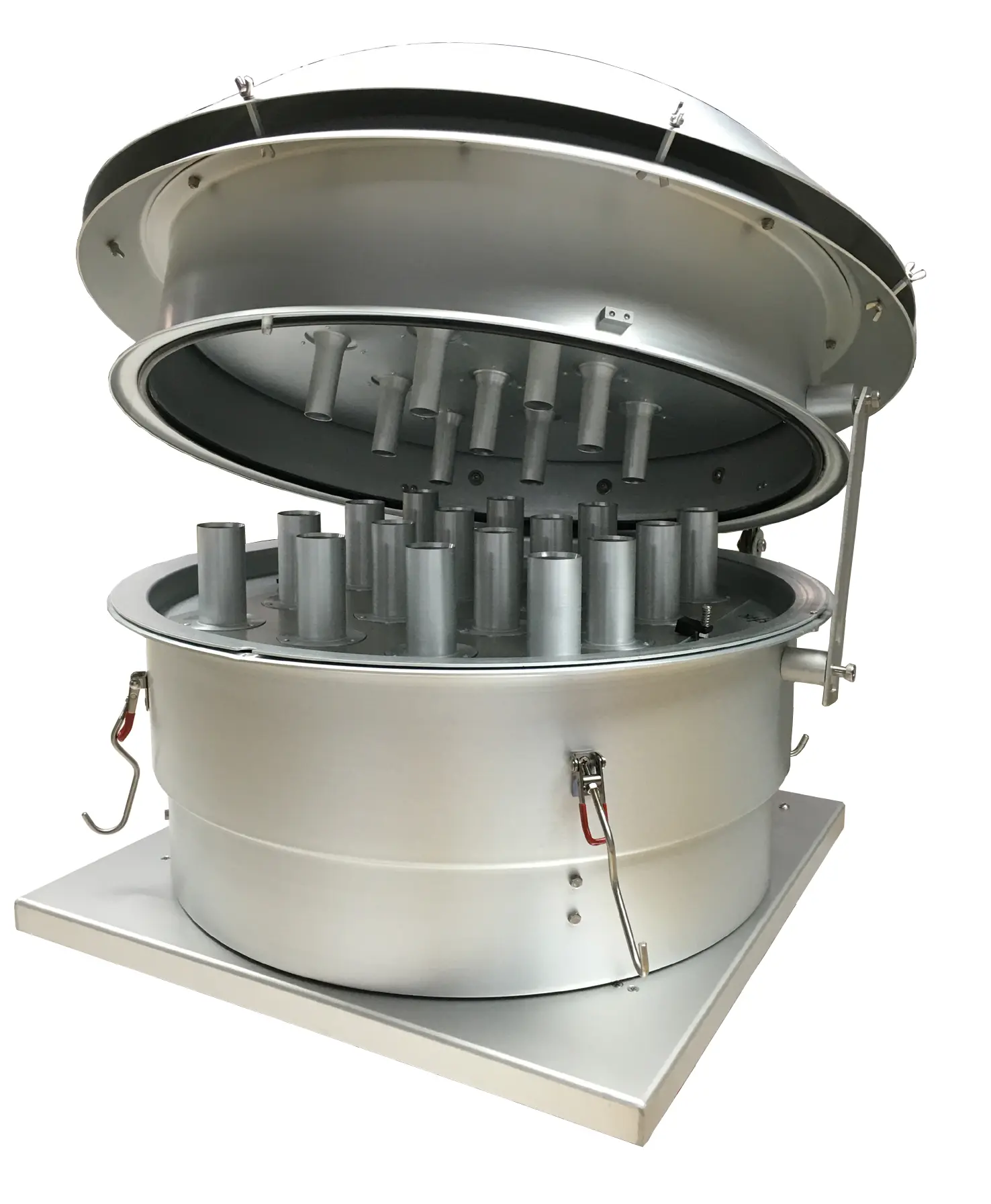
PM10 High Volume Air Sampler Inlet Head
PM10-HV inlet head with a 10 micrometre cut-off for high volume PM10 sampling.
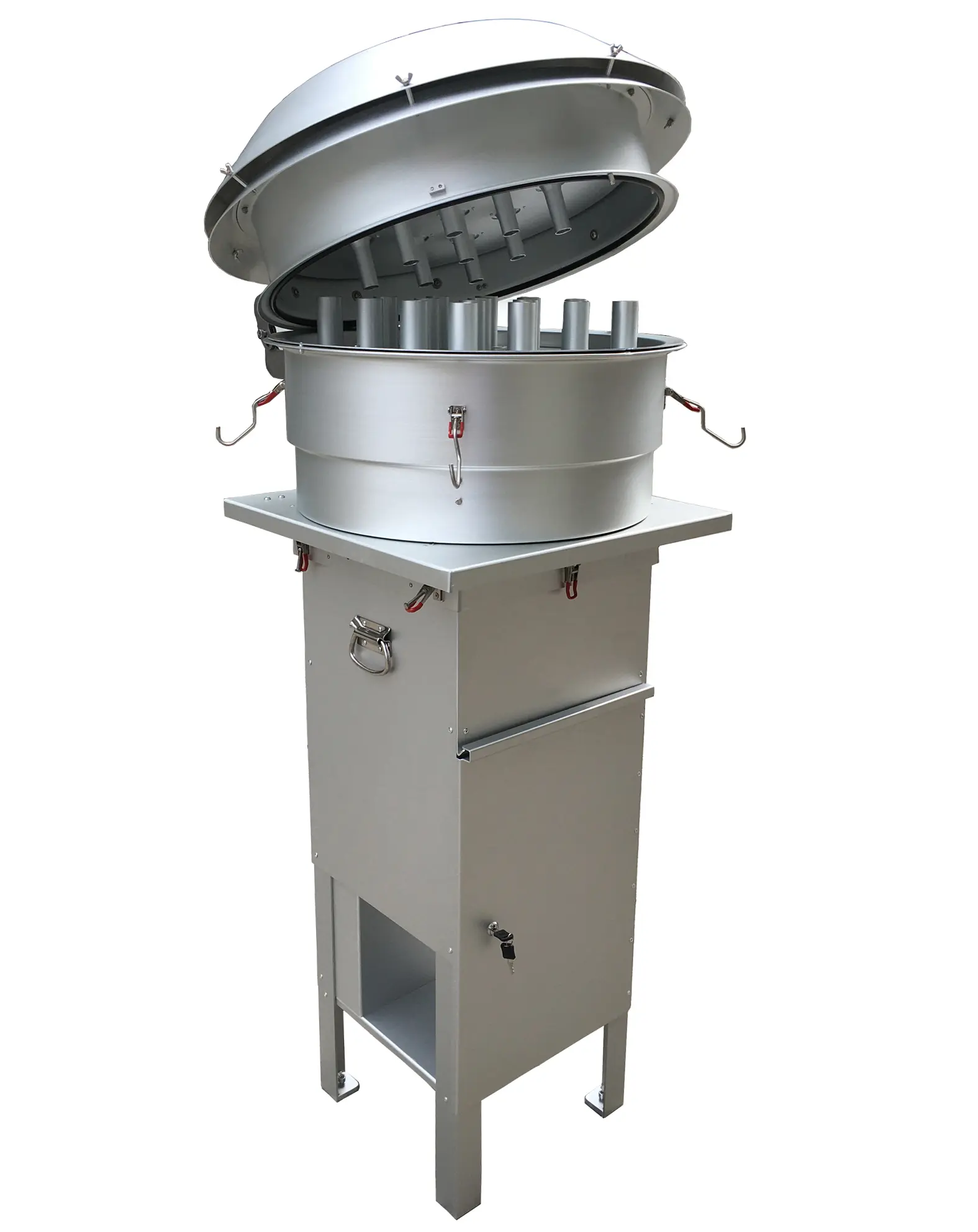
PM10 High Volume Air Sampler Metal Housing
Complete PM10 high volume air sampler housing set: inlet, cabinet, filter holder and motor housing.
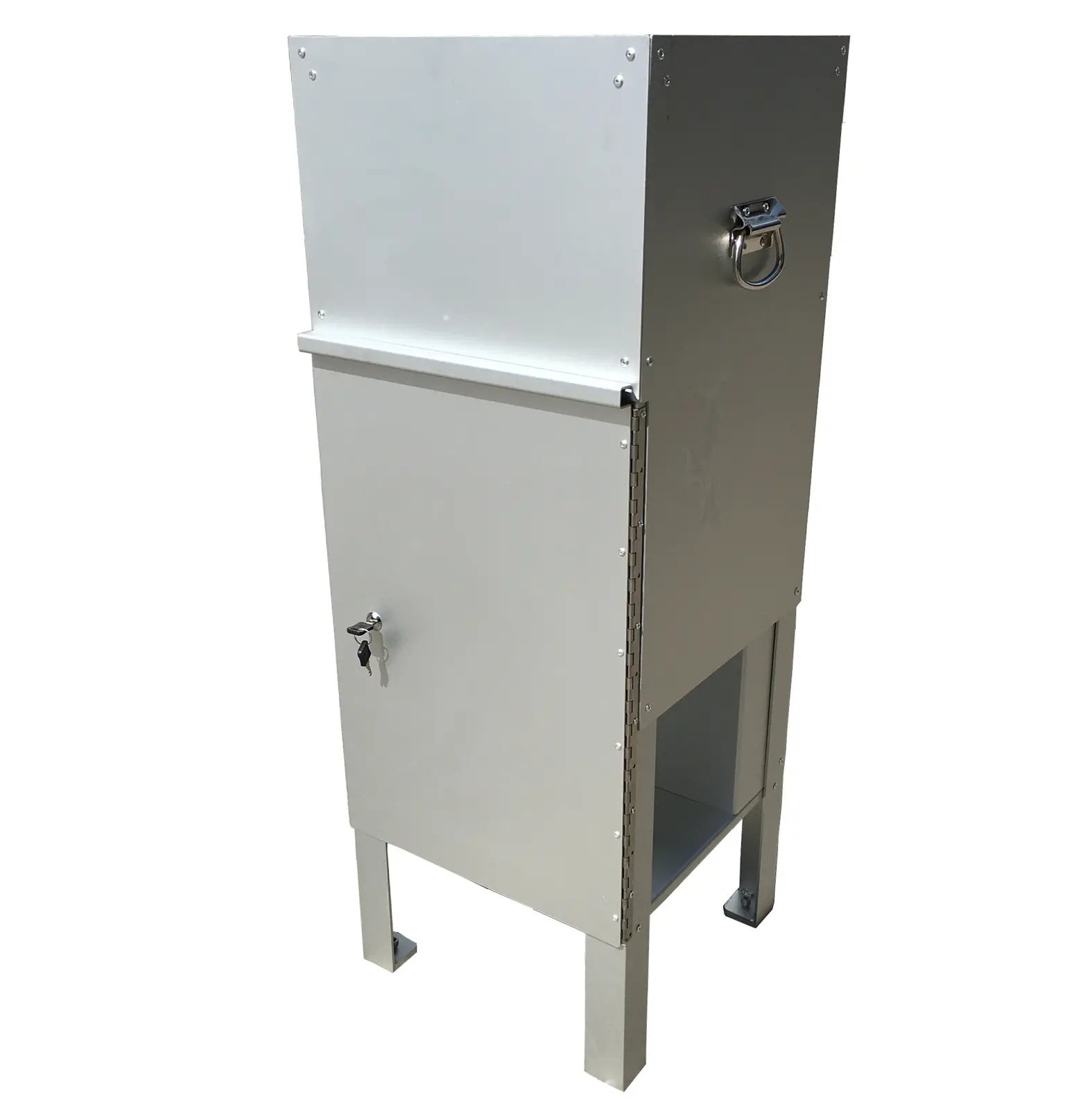
Air Sampler Base Cabinet for PM10/PM2.5 Systems
Base cabinet for PM10 air quality monitoring, supplied without electronic parts.
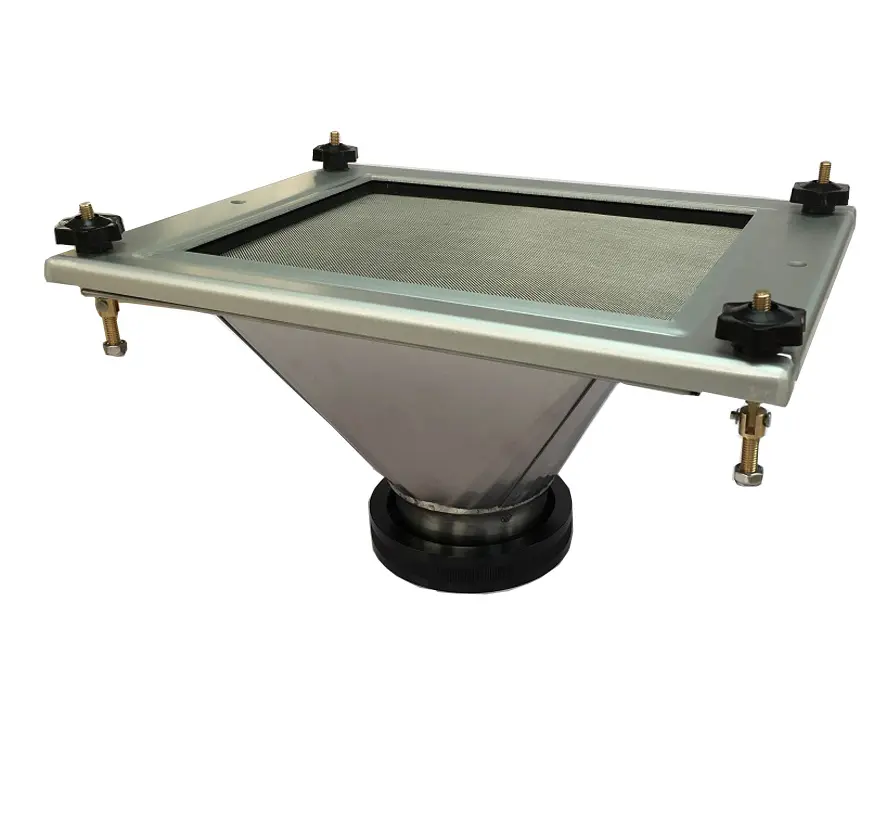
PM10/PM2.5 Filter Holder for Outdoor Air Sampler
PM10 filter holder for air sampler systems, stainless steel with aluminum cover.
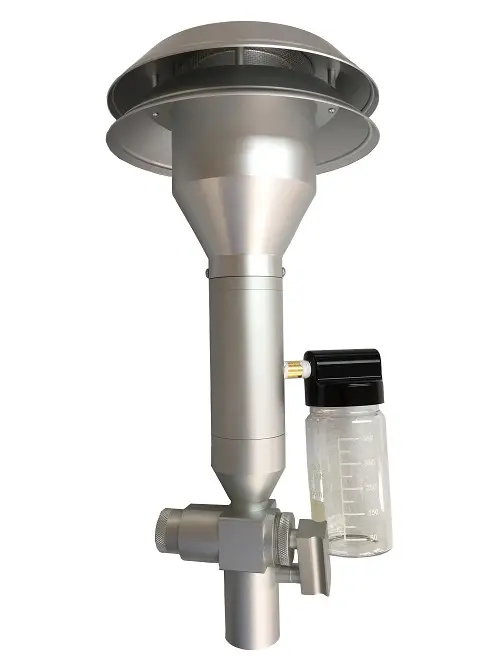
PM10 Low Volume Air Sampler Inlet
PM10 inlet low volume configuration for industrial air monitoring and dust sampling.
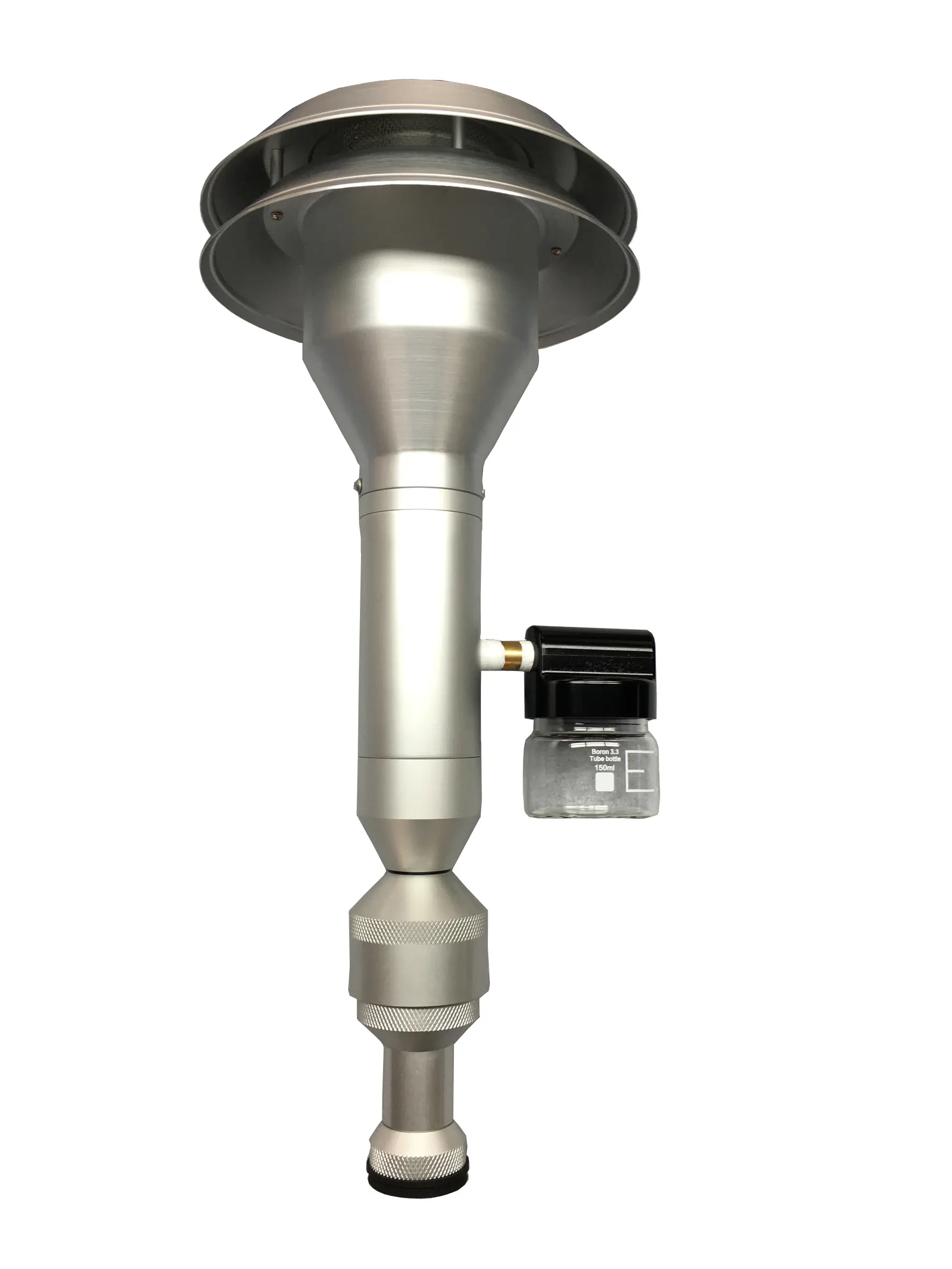
PM10 Low Volume Inlet and PM2.5 Impactor
PM10-LV low volume inlet combined with a PM2.5 impactor for two size fractions in one train.
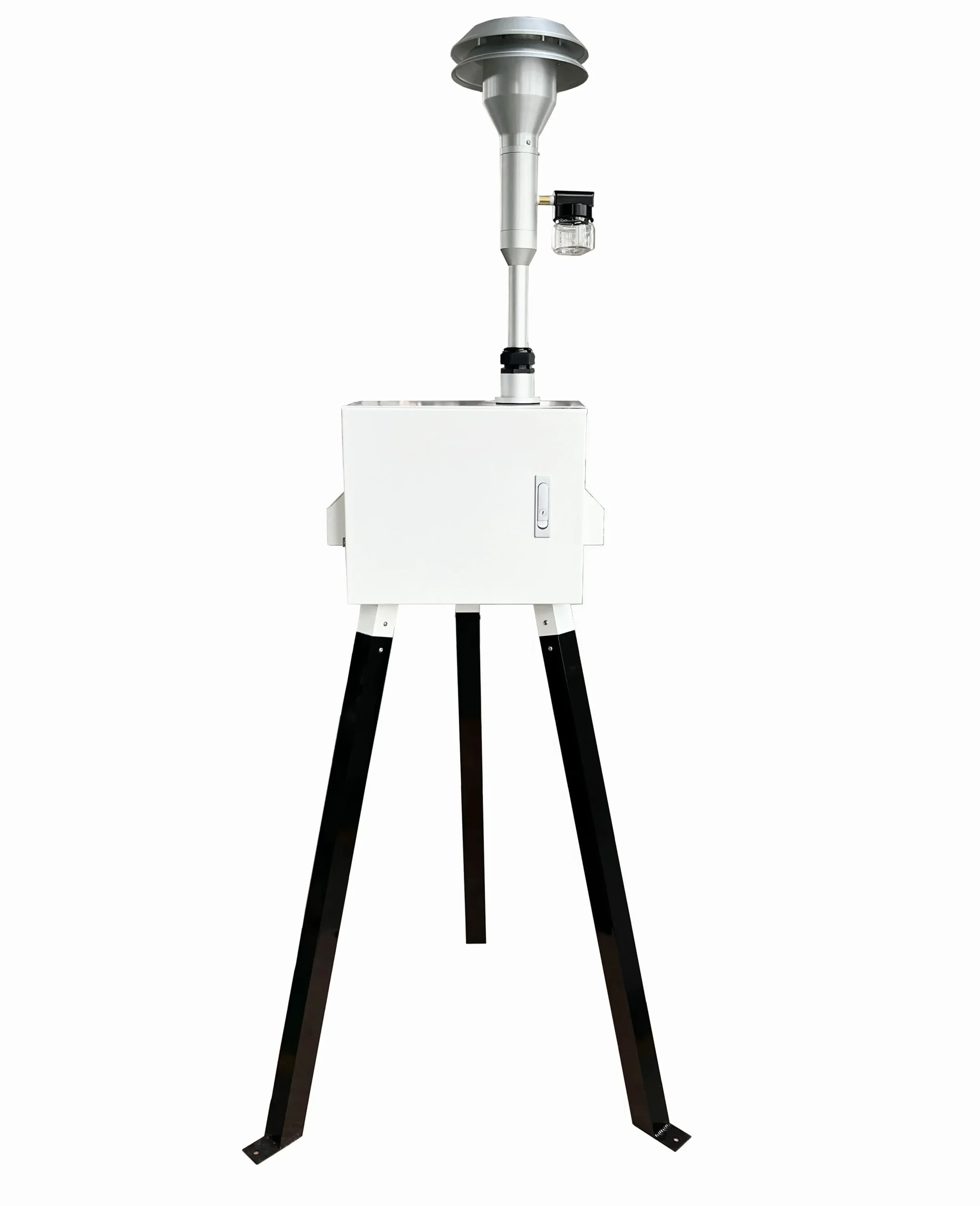
PM10-LV Cabinet for Outdoor PM2.5/PM10 Air Sampler
Weatherproof PM10-LV cabinet for outdoor PM2.5 and PM10 air sampler monitoring.
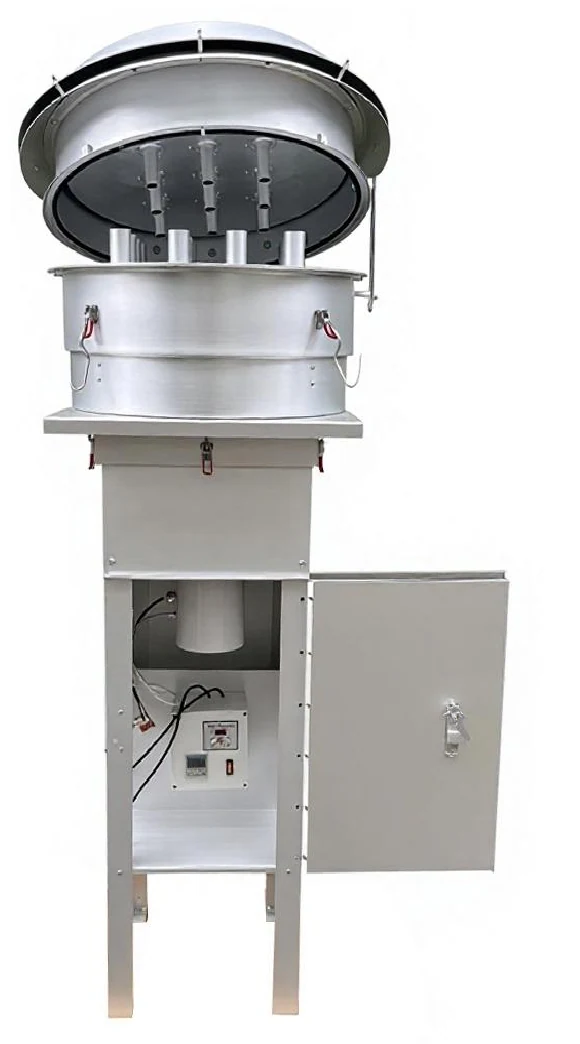
PM10 High Volume Air Sampler with MFC
PM10 high volume air sampler with a mass flow controller for constant mass flow sampling.
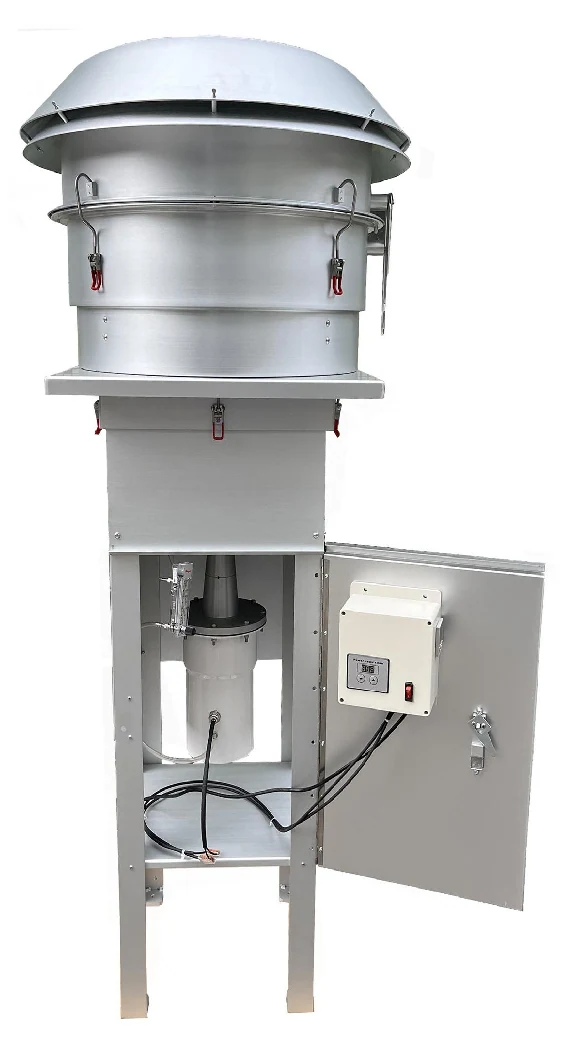
PM10 High Volume Air Sampler with VFC
VFC air sampler with Venturi tube volumetric flow controller holding 1.13 m3/min.
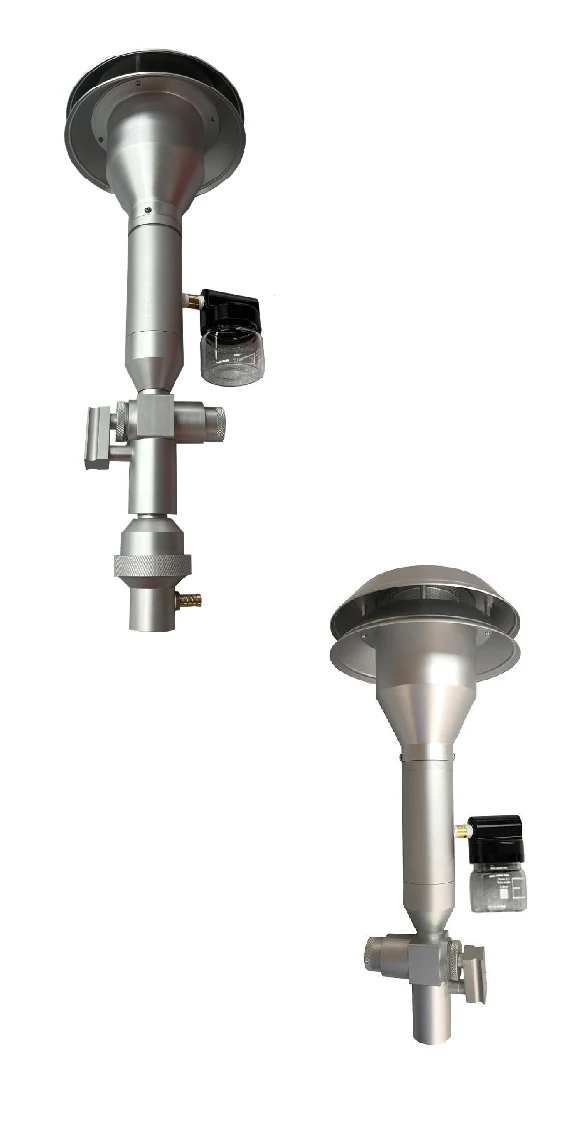
PM10 & PM2.5 Low Volume Inlet with Cyclone
PM10 low volume inlet cyclone assembly that collects PM10 and PM2.5 in one visit.
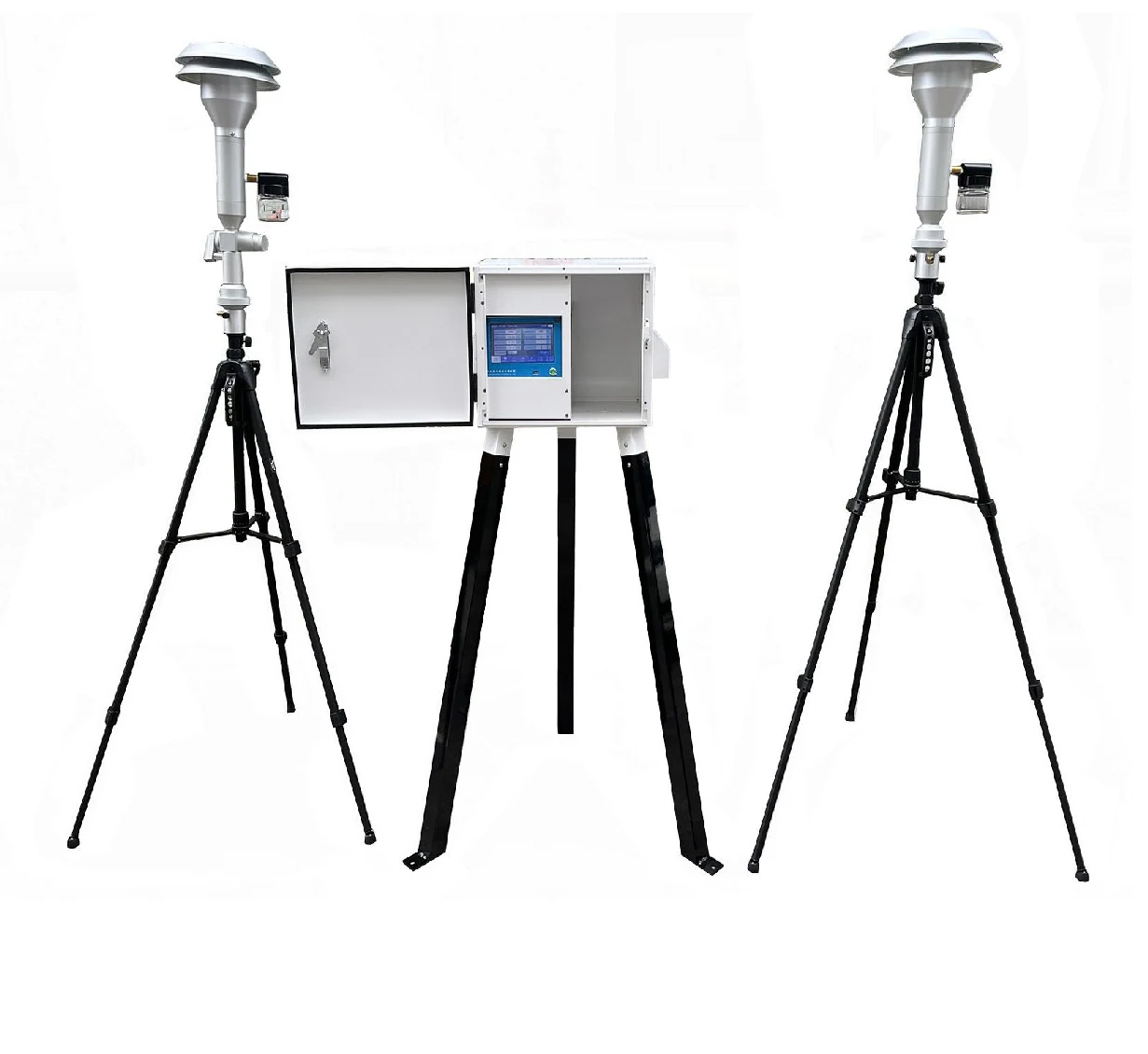
PM10 & PM2.5 Low Volume Double Channel Sampler
Double channel air sampler running PM10 and PM2.5 at the same time from one cabinet.
Frequently Asked Questions
What is the difference between PM10, PM2.5 and TSP?
TSP is everything the inlet can capture, including larger dust near the source. PM10 is the fraction with an aerodynamic diameter of 10 micrometers or less, which penetrates the thoracic region, and PM2.5 is the fine fraction that reaches the deepest parts of the lung. Most networks report PM10 and PM2.5 together and use the ratio between them to describe a site.
Should I choose a high volume or a low volume PM10 sampler?
High volume PM10 sampling runs at about 1.13 m3/min onto an 8 x 10 inch filter and is used where a large filter load is needed for gravimetric work or a second analysis. Low volume PM10 sampling typically runs at 16.7 L/min onto a 47 mm disc, which suits compact shelters. The reporting method usually decides the question.
Why does constant flow matter?
The reported concentration is the collected mass divided by the volume of air that passed the filter, so any drift in flow becomes a direct error in the result. MFC and VFC systems keep the flow stable and log the volume. Regular flow checks against a standard meter are what keep the record defensible.
Can one sampler collect PM10 and PM2.5 at the same time?
Yes. Our double channel low volume sampler collects both fractions at once from a single housing, which avoids a second installation and keeps the two data sets comparable. Where only one fraction is reported, a single channel housing with the matching inlet is simpler to operate and to service.
What spare parts should I keep on hand?
Filter holders, gaskets and seals, a spare blower motor, and the filter media itself: 8 x 10 inch glass fiber filter paper for high volume units and 47 mm discs for low volume units. Keeping a spare inlet and filter holder lets you swap a dirty assembly without interrupting a sample.
Send us your flow rate, size fraction and site conditions - we will recommend the right configuration and quote within one working day.
Request a Quote