Air quality is a pressing concern in today's world, where industrial activities, vehicular emissions, and natural sources contribute to the increasing levels of airborne pollutants. Among these pollutants, particulate matter such as PM10 poses a significant threat to human health and environmental quality. PM10 refers to particulate matter with a diameter of 10 micrometers or less, which can be inhaled and cause adverse health effects. In this context, PM10 filters play a crucial role in mitigating the impact of these particles. This comprehensive guide aims to provide a clear understanding of PM10 filters, their functionality, and the critical role they play in protecting our health by purifying the air we breathe.
What Are PM10 Particles?
PM10 particles, also known as inhalable coarse particles, are airborne pollutants with a diameter of 10 micrometers or less. These particles can come from a variety of sources, including dust, pollen, and vehicle exhaust, and can easily enter the body through the respiratory system. When PM10 particles are inhaled, they can cause everything from coughing and sneezing to more serious respiratory disorders.
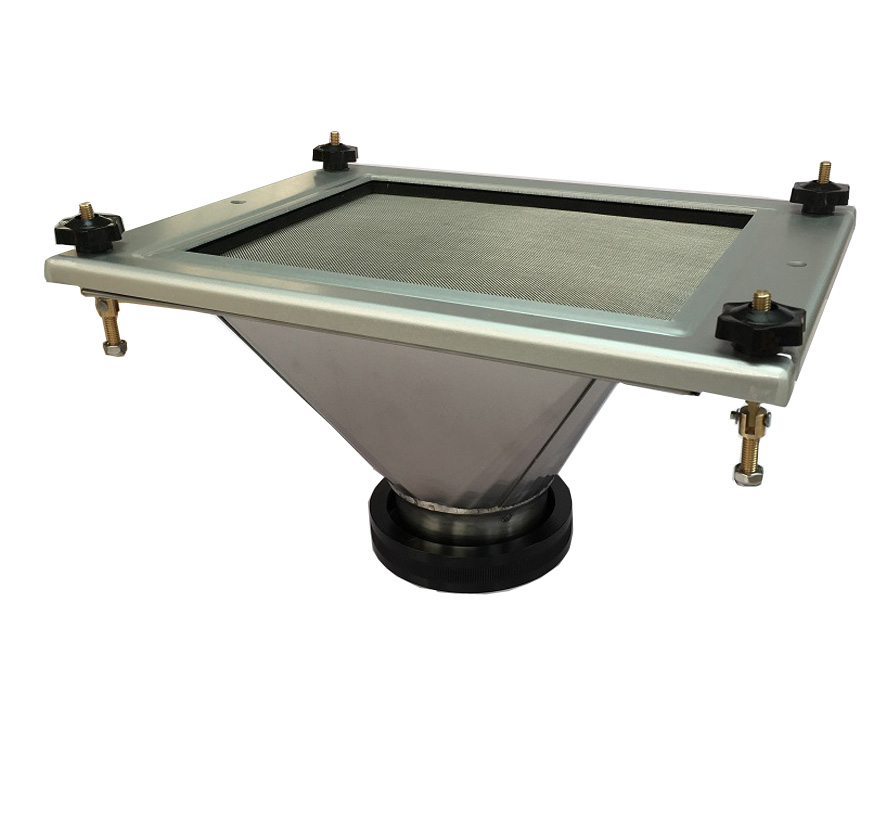
What Is A PM10 Filter?
A PM10 filter, specifically designed to target airborne pollutants, is an air filtration device that captures PM10 particles. These fine particles, which include dust, mold spores, and other allergens, can be detrimental to respiratory health. PM10 filters are essential in various settings, from construction sites and industrial facilities to residential and office spaces in areas with poor air quality. By trapping these particles, PM10 filters significantly enhance indoor air quality and contribute to a healthier living and working environment.
How Do PM10 Filters Work?
PM10 filters work by using a dense network of fibers or mesh to trap particles as air passes through. The filters are usually made from materials like fiberglass or synthetic fabrics, which have small spaces between the fibers that can capture PM10 particles as they pass through. As more particles accumulate in the filter, it becomes clogged and must be replaced to remain effective.
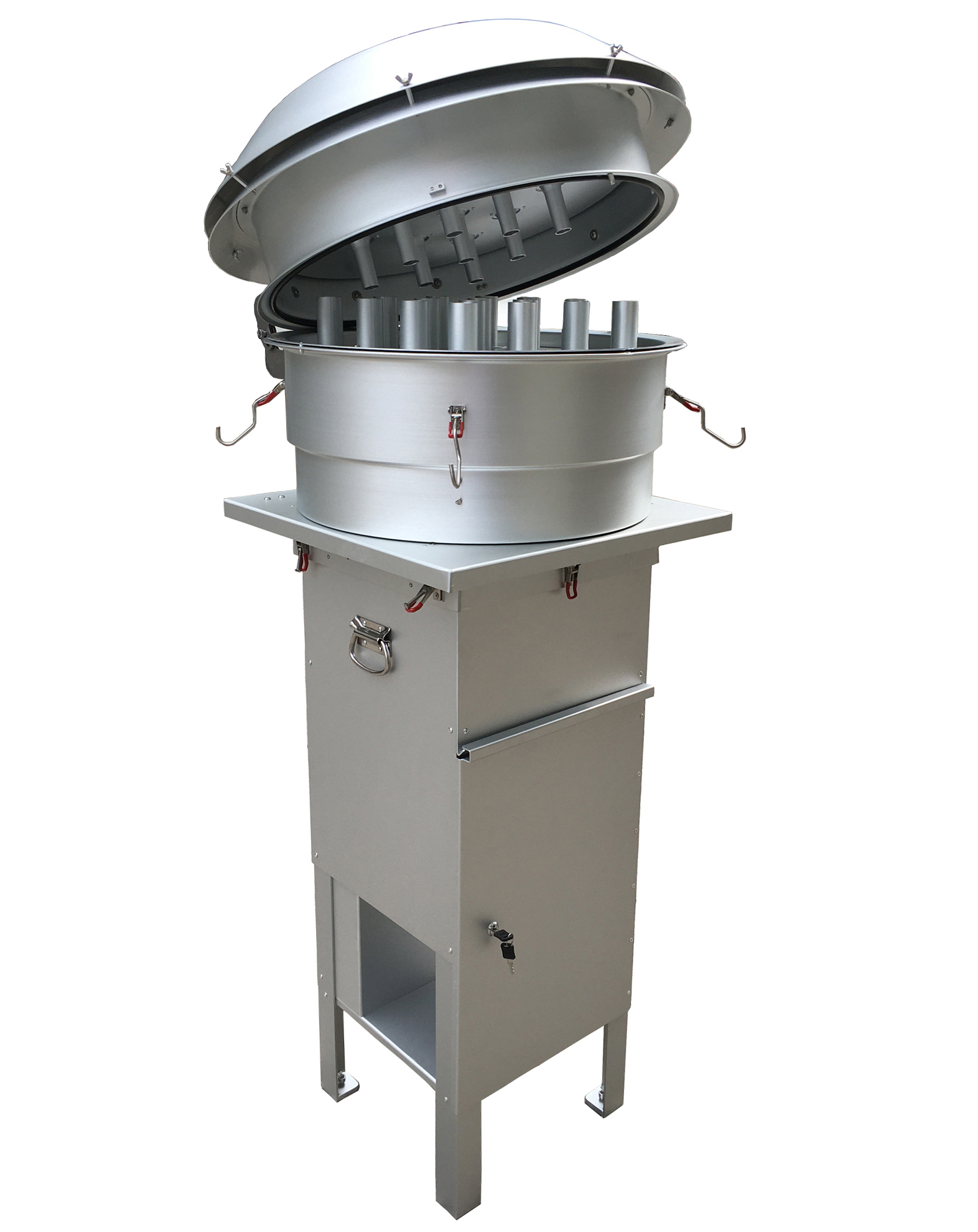
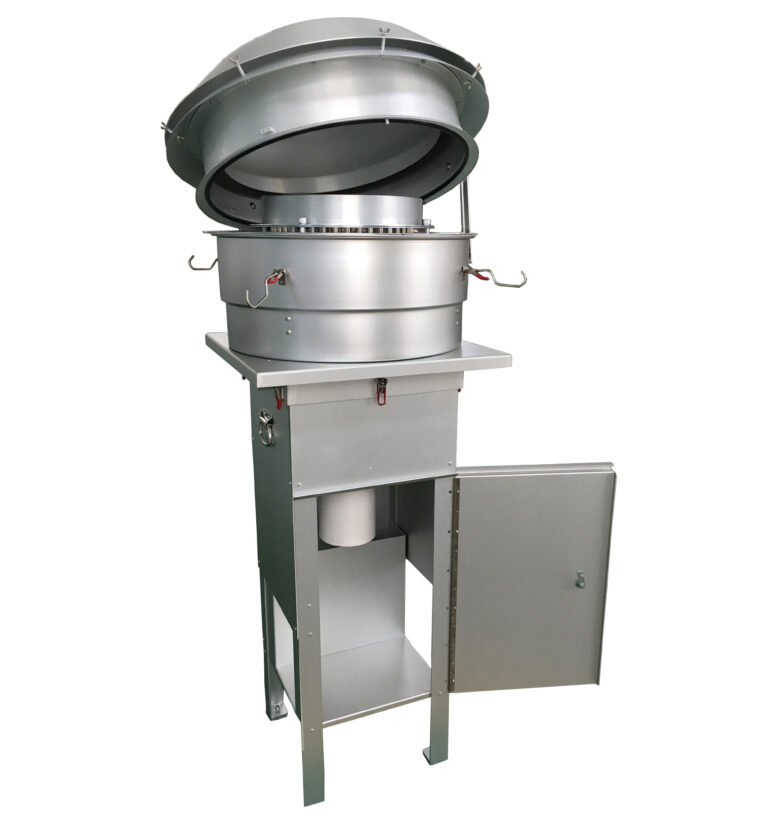
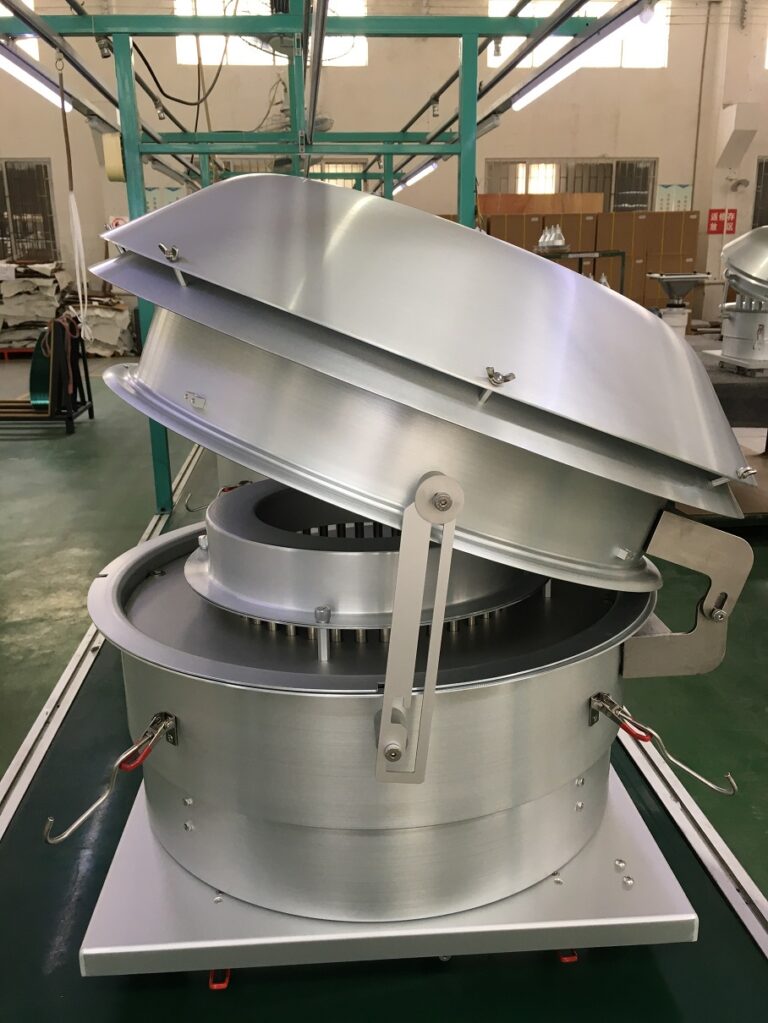
PM10 High Flow Air Sampling Equipment
Selecting the Optimal PM10 Filter: Key Considerations
To ensure effective air quality management, selecting the right PM10 filter is essential. The decision-making process involves evaluating several critical factors, such as:
Filter Technology: The market offers a variety of PM10 filters, each employing different technologies. Mechanical filters capture particles through a dense fiber mesh, electrostatic filters leverage an electrical charge to seize particles, and hybrid filters integrate both methods for superior performance. Assessing the pros and cons of each technology is crucial for an informed choice.
Efficiency Ratings: PM10 filters come with efficiency ratings that reflect their capability to filter out PM10 particles. Opt for filters with high-efficiency ratings to ensure maximum particle capture and enhanced air quality.
Coverage Area: The size of the space where the filter will be used is a determinant in choosing the appropriate PM10 filter. Filters are designed for varying room dimensions; hence, it's imperative to match the filter capacity with the area's size.
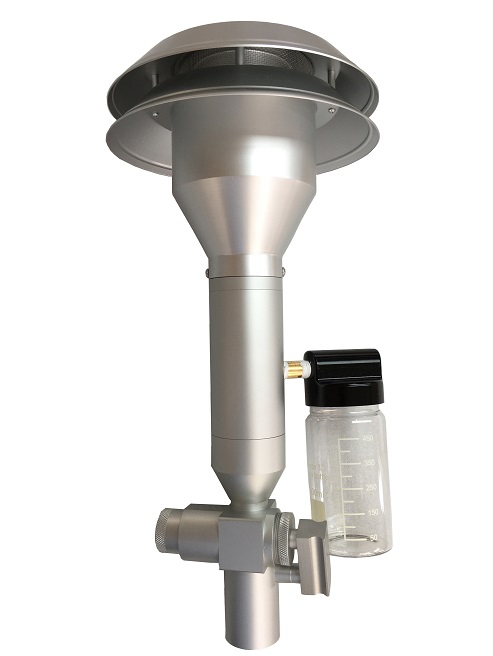
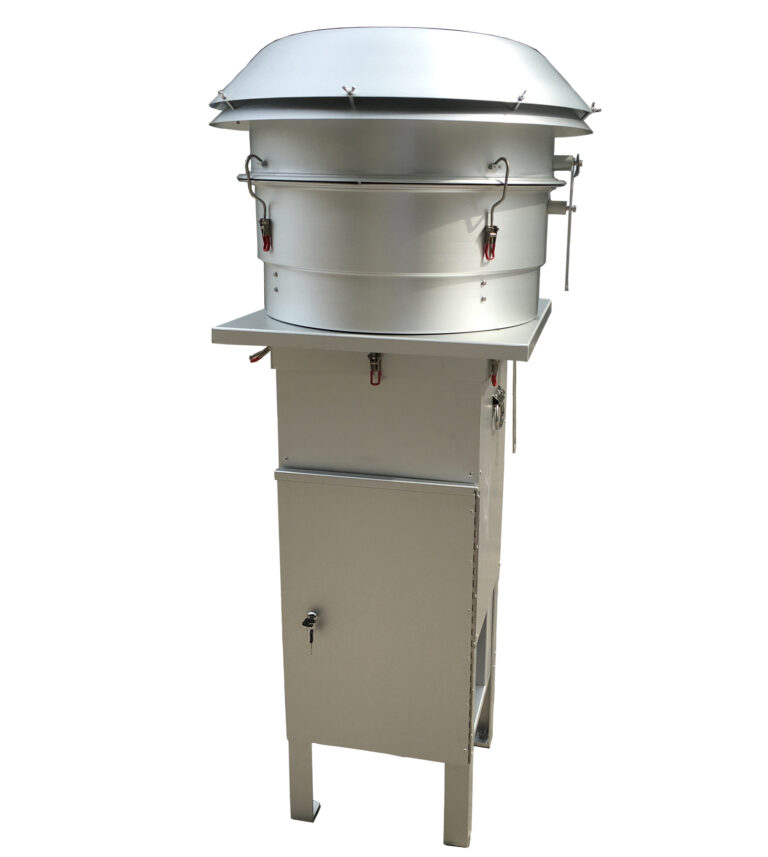
Cabinet For Outdoor PM10 Air Sampling
Pollution Levels: The extent of pollution in your vicinity should guide the selection of your PM10 filter. More polluted environments necessitate robust filters for effective purification.
Budget Considerations: PM10 filters vary in price, and while higher-cost options may offer better efficiency and durability, it's important to balance cost against specific needs and circumstances.
Conclusion
In conclusion, PM10 filters stand as a formidable defense against the pervasive challenge of air pollution. They are particularly crucial in environments burdened with elevated concentrations of PM10 particles. For those in pursuit of a robust PM10 filter that combines efficiency with reliability, the T4 AIR SAMPLER represents a premier choice, engineered to meet the demands of both residential and commercial applications.
Frequently Asked Questions
What is a PM10 filter?
A PM10 filter is the collection medium used in PM10 sampling. It captures particles that pass through the PM10 inlet, so the sampled mass represents the inhalable fraction of particulate matter.
What is the difference between a PM10 filter and a PM2.5 filter?
Both are collection media and look similar, but they sit behind different inlets. A PM10 inlet admits particles up to 10 micrometres, while a PM2.5 inlet limits the sample to 2.5 micrometres and below.
Which filter media are used for PM10 sampling?
Glass fibre, quartz fibre and PTFE membrane filters are all common. Choose based on whether you need gravimetric mass only or additional chemical analysis.
How do I choose the right filter holder?
Match the holder to the filter diameter and to the inlet or sampling head you are using. T4 AIR SAMPLER supplies PM10 filter holders designed for outdoor air quality monitoring.
How is the PM10 concentration calculated?
Weigh the filter before and after sampling, take the mass difference, and divide by the total volume of air sampled during the run.
What maintenance does a PM10 sampling train need?
Clean and inspect the inlet, check the filter holder seals, verify the flow rate with a calibration device and replace the filter after every sampling run.