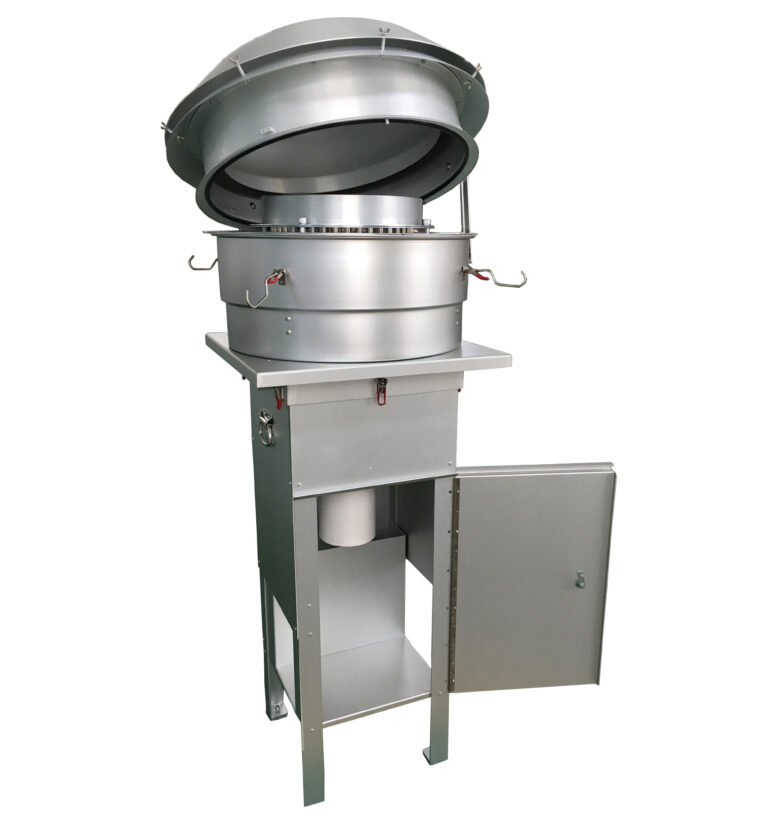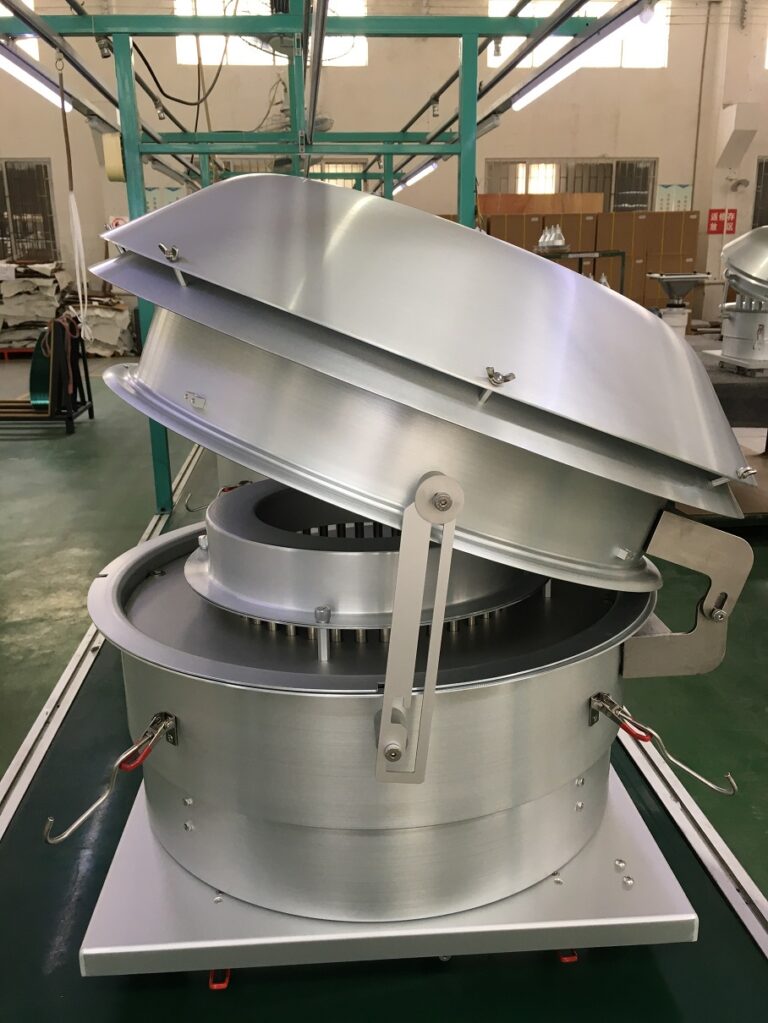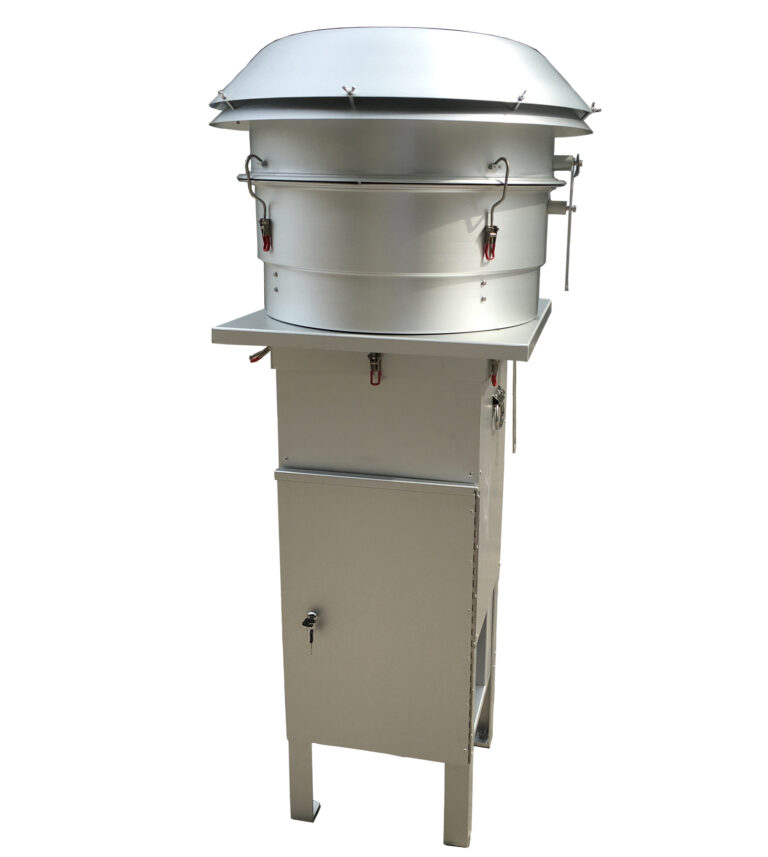
In today's world, where air quality significantly impacts our health and environment, understanding and using PM 2.5 filters is crucial. These filters are key in protecting against microscopic pollutants that pose serious health risks. This article explores the definition, functionality, and benefits of PM 2.5 filters, emphasizing their critical role in purifying indoor air across various settings, including homes, offices, and healthcare facilities. Learn about how PM 2.5 filters contribute to cleaner air and healthier lives.
Defining PM 2.5 Filters and Their Importance
PM 2.5 filters are meticulously designed to capture and remove fine particulate matter, specifically particles with a diameter of 2.5 micrometers or smaller, commonly known as fine particulate pollution. These tiny particles, much smaller than a strand of human hair, can deeply penetrate the lungs and pose significant health risks. Widely used in various indoor settings such as homes, offices, schools, and medical facilities, PM 2.5 filters are essential for reducing pollution levels and improving air quality.
How Do PM 2.5 Filters Work?
PM 2.5 filters employ sophisticated filtration technologies to effectively capture and eliminate harmful airborne particles. The essential components of a PM 2.5 filter are its filter medium and filtration system. The filter medium acts as a barrier that traps and retains PM 2.5 particles, ensuring that the filtration system can maintain optimal airflow and efficient particle collection.
Benefits Of Using PM 2.5 Filters
Explore the multitude of benefits that PM 2.5 filters offer:
Enhanced Indoor Air Quality
PM 2.5 filters excel in removing fine particulates such as allergens, dust, pet dander, and smoke from the air, significantly enhancing indoor air quality and creating a healthier living space.
Respiratory Health Advantages
The inhalation of PM 2.5 particles can exacerbate respiratory conditions and increase the risk of infections. PM 2.5 filters mitigate these risks by efficiently capturing and removing these harmful particles, thus supporting improved respiratory health.
Effective Allergen Management
For those suffering from allergies or respiratory sensitivities, PM 2.5 filters are invaluable in trapping common allergens like pollen, mold spores, and dust mites, reducing exposure and enhancing comfort.
Barrier Against Outdoor Pollution
In areas with high outdoor pollution, PM 2.5 filters act as a vital barrier, preventing external pollutants from infiltrating indoor spaces and ensuring cleaner indoor air even in urban or industrial settings.
Protection in High-Risk Settings
Especially in environments like hospitals and laboratories, where clean air is critical, PM 2.5 filters play an essential role in maintaining air purity and safeguarding the health of patients, staff, and ongoing sensitive work.
Conclusion
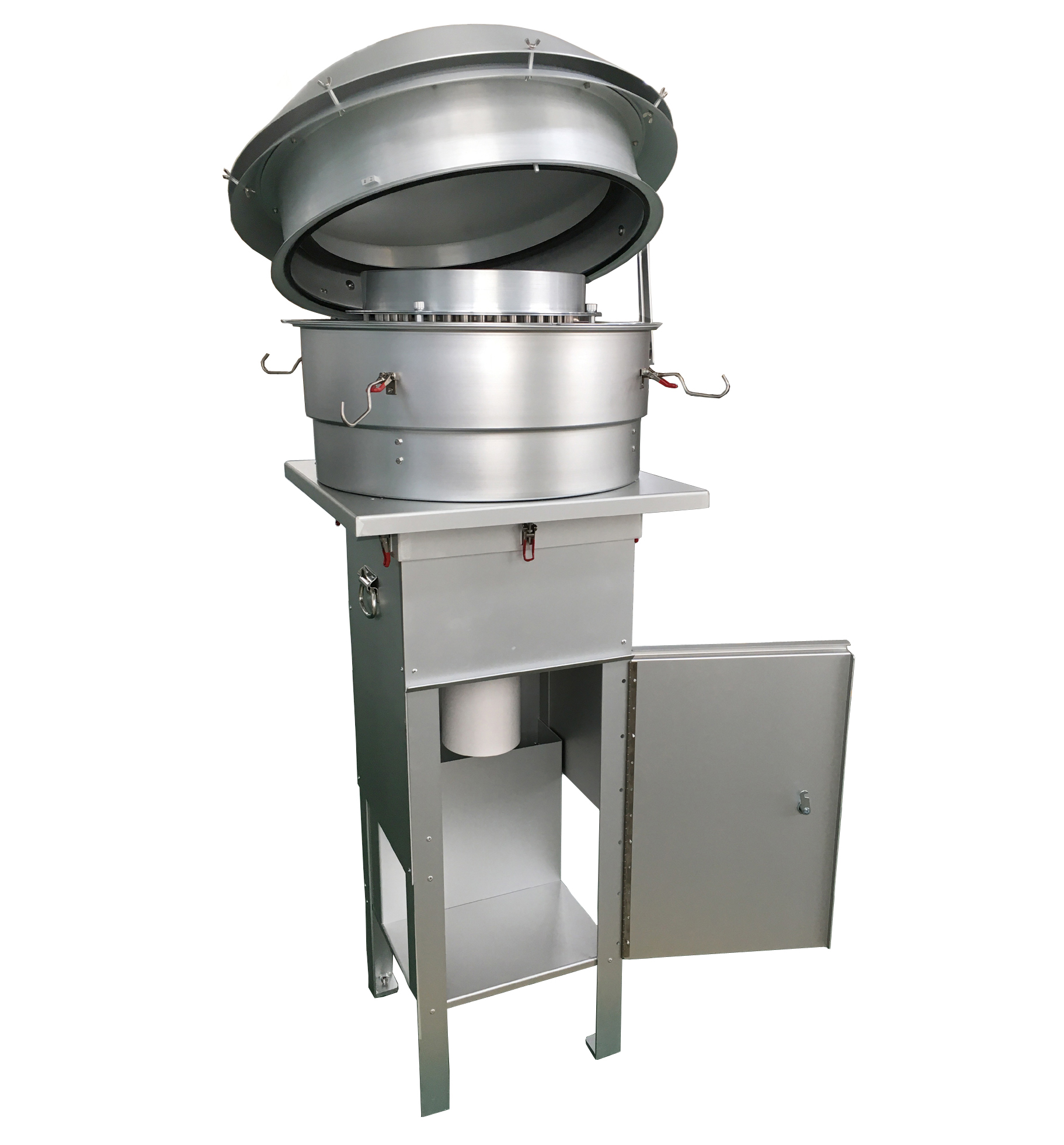
To achieve a healthier living and working environment, PM 2.5 filters are indispensable in enhancing indoor air quality by efficiently filtering out fine particles and minimizing exposure to harmful pollutants. For those seeking top-quality PM2.5 filters and air samplers, consider the T4 AIR SAMPLER as your go-to option. Contact us for more information and to explore our products today!
Frequently Asked Questions
What is a PM2.5 filter?
A PM2.5 filter is the collection medium used in PM2.5 sampling. It sits behind a size-selective inlet and traps fine particles of 2.5 micrometres or smaller for gravimetric or chemical analysis.
Which materials are used for PM2.5 filters?
Common media are PTFE membrane, quartz fibre and glass fibre. PTFE is preferred for gravimetric work, quartz for organic and elemental carbon analysis, and glass fibre for general particulate sampling.
How does a PM2.5 filter capture particles?
Air is drawn through the filter at a controlled flow rate. Particles are removed by impaction, interception and diffusion, with smaller particles captured by diffusion and larger ones by impaction.
Does the filter decide the 2.5 micrometre cut-off?
No. The cut-off is set by the PM2.5 impactor or inlet upstream of the filter. The filter simply collects everything that passes the size selector.
How should PM2.5 filters be prepared and weighed?
Condition filters in a temperature and humidity controlled environment, weigh them on a microbalance before and after sampling, and handle them only with clean forceps.
What should I check before buying PM2.5 filters?
Confirm the diameter fits your filter holder, that the media suits your analysis method, that blank weights are consistent and that the filter can handle your sampling duration.