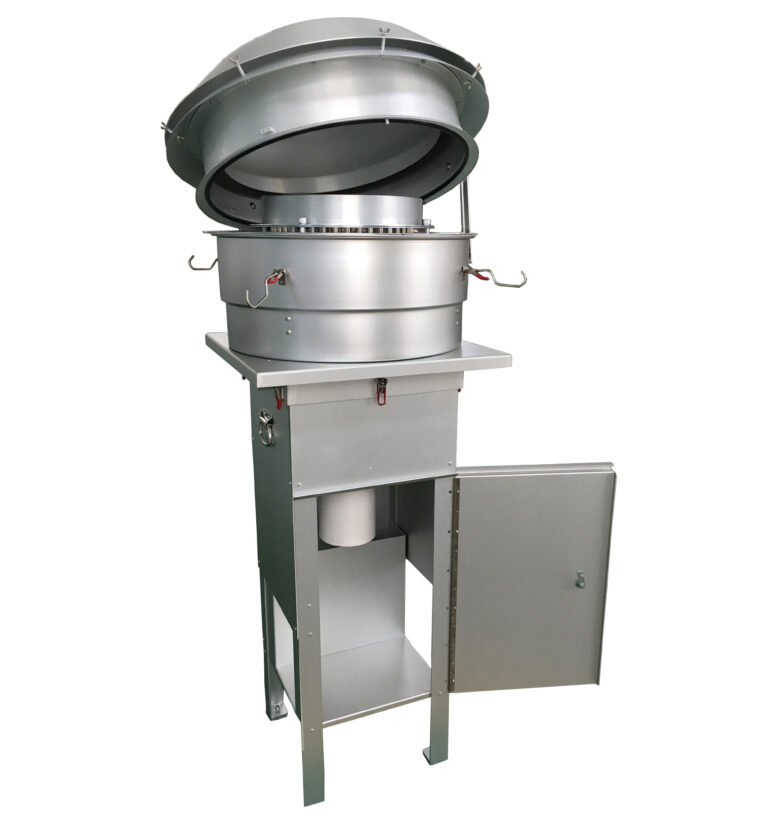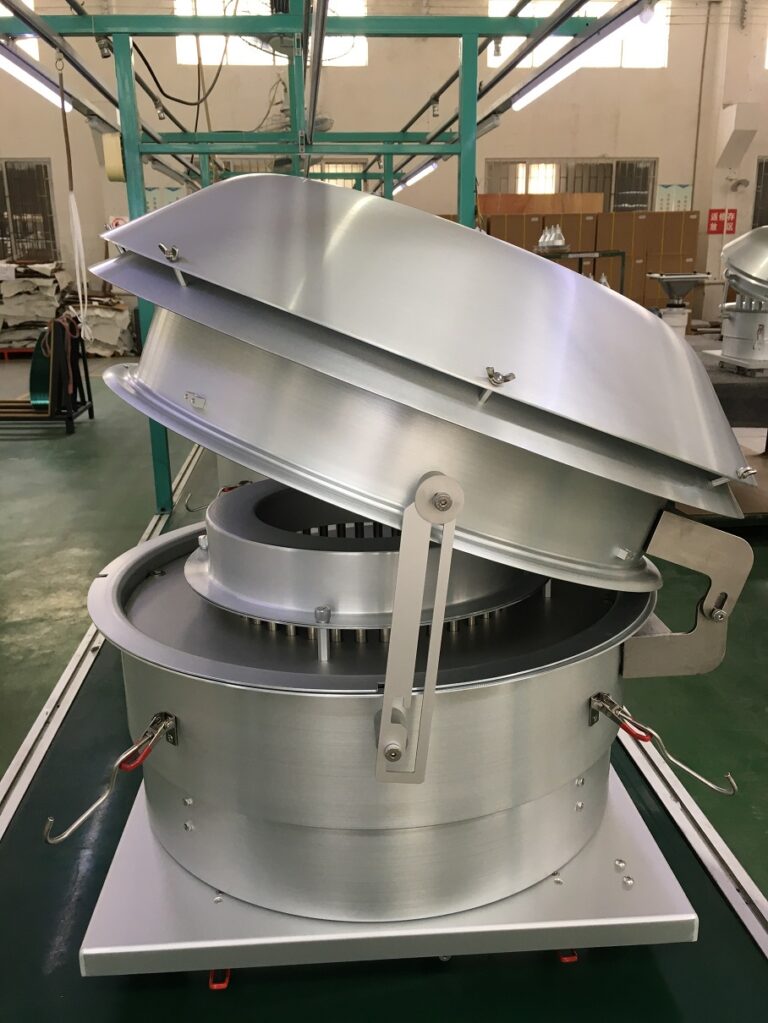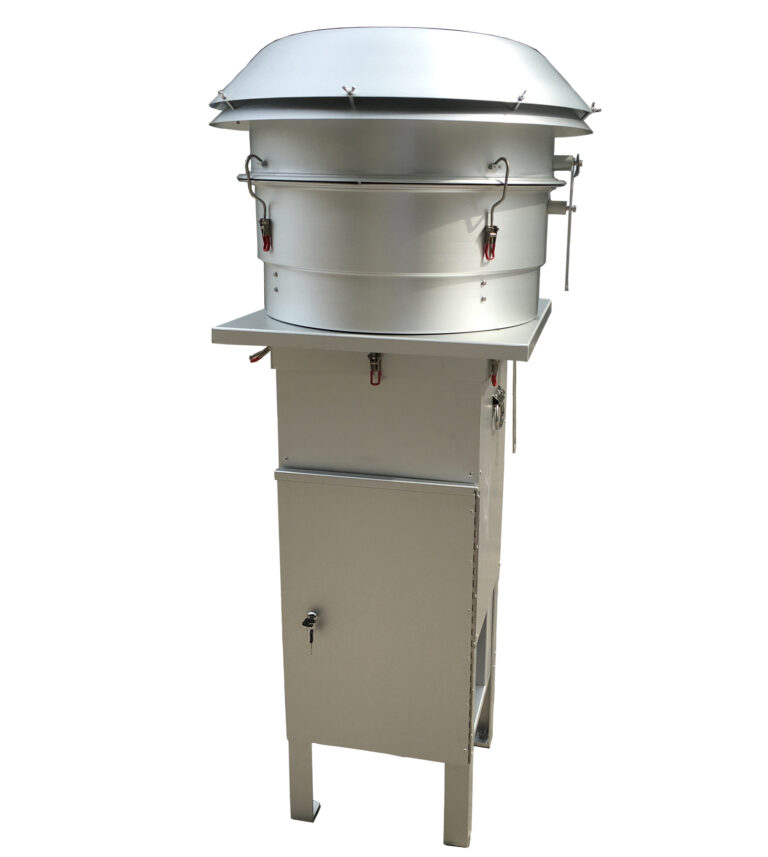
With the escalating concern surrounding air pollution, particularly the hazardous fine particles known as PM2.5, the need for precise monitoring tools has become paramount. PM2.5 samplers stand as sophisticated devices meticulously engineered to capture and quantify these minute particles from the air we breathe, thus playing a crucial role in safeguarding public health and air quality. In this article, we explore the underlying principles governing PM2.5 samplers, providing a comprehensive insight into their functionality and significance.
What Is A PM2.5 Sampler?
At the heart of air quality monitoring lies the PM2.5 sampler, a specialized instrument designed for the targeted collection and quantification of particulate matter measuring 2.5 micrometers in diameter or less. These samplers serve as indispensable tools in the realm of air quality assessment, furnishing vital data on the concentrations and attributes of these microscopic particles dispersed throughout the atmosphere.
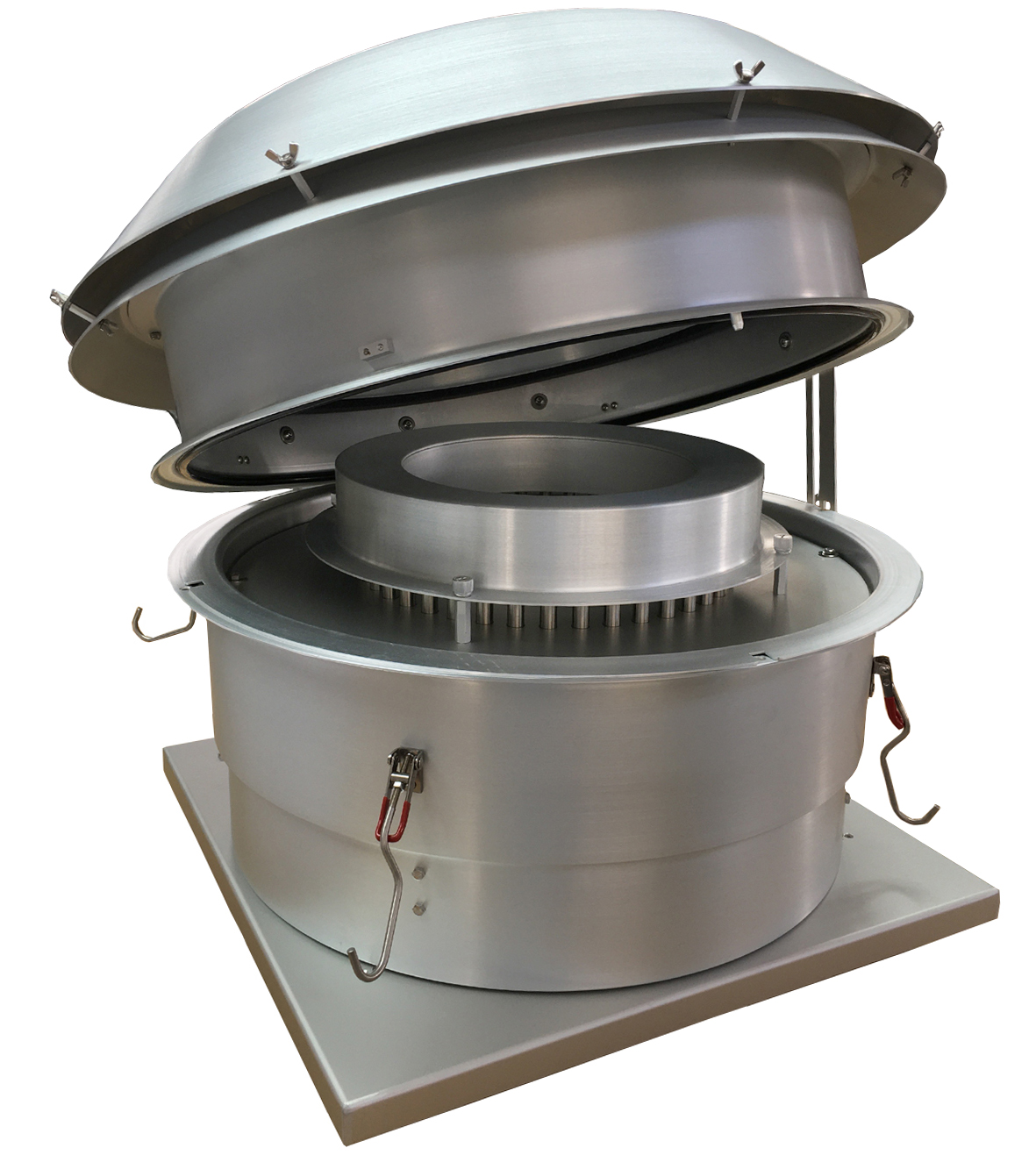
The Operational Principles of a PM2.5 Sampler
The functionality of a PM2.5 sampler is rooted in a systematic process, encompassing several critical steps:
1. Sample Collection
The sampler initiates the process by drawing ambient air into its inlet using a pump. Within the inlet system, larger particles are filtered out, ensuring that only PM2.5 particles are retained for collection.
2. Size Selection
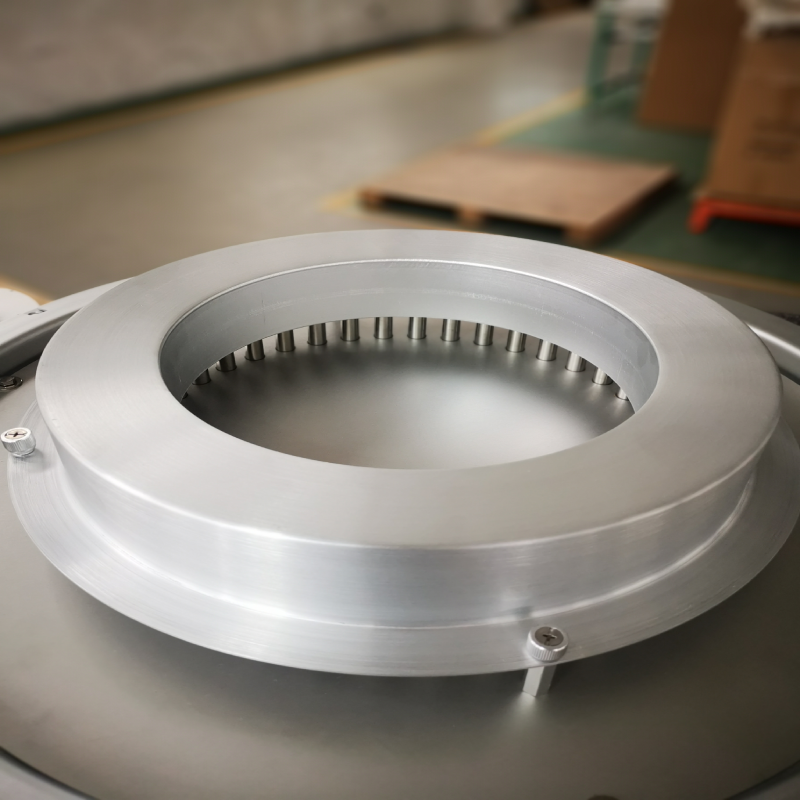
As the air laden with PM2.5 particles enters the sampler, it traverses through a meticulously engineered size-selective intake or impactor. This component exclusively permits particles with a diameter of 2.5 micrometers or less to pass through, facilitating precise particle selection.
3. Particle Deposition
Subsequent to passing through the size-selective inlet, the PM2.5 particles undergo deposition onto a specialized filter substrate or collection medium. Materials such as Teflon, quartz fiber, or cellulose are commonly employed for this purpose, owing to their efficacy in capturing particulate matter.
4. Sampling Duration
The sampler continues its operation, systematically gathering PM2.5 particles from the ambient air over a predefined sampling period, typically spanning 24 hours.
5. Analysis
Upon completion of the sampling period, the filter or collection medium, now enriched with captured PM2.5 particles, is carefully extracted from the sampler for laboratory analysis. Various analytical techniques, including particle weighing and specialized procedures, are employed to ascertain the mass concentration of PM2.5 in the sampled air, ensuring accurate quantification.
Ambient Air Quality Monitoring
Types of PM2.5 Samplers
Several types of PM2.5 samplers are available, each with its own design and operating principle. Some common types include:
– High-Volume Samplers: These samplers employ a high flow rate to capture a substantial volume of air, facilitating precise measurement of PM2.5 mass concentration, particularly suited for regulatory compliance monitoring.
– Low-Volume Samplers: Operating at a reduced flow rate compared to high-volume counterparts, low-volume samplers excel in long-term monitoring endeavors, commonly employed in research and background monitoring initiatives.
– Portable Samplers: Engineered for versatility and mobility, portable PM2.5 samplers offer convenience in personal exposure monitoring and mobile air quality assessments, providing flexibility in measuring PM2.5 levels across diverse environmental settings.
Conclusion
In the fight against air pollution, PM2.5 samplers serve as essential instruments for the evaluation and management of air quality. Utilizing advanced size-selective inlets and specialized collection media, these sophisticated devices are capable of accurately capturing and measuring the concentration of fine particulate matter in the environment. For those in search of reliable Air sampling equipment, the T4 AIR SAMPLER emerges as an excellent option, offering precision at a competitive price. Experience the difference in air quality monitoring with T4 AIR SAMPLER—your partner in environmental health and safety.
Frequently Asked Questions
What is the working principle of a PM2.5 sampler?
The sampler draws air through a size-selective inlet that removes particles larger than 2.5 micrometres, then through a filter where the fine fraction is deposited and later weighed or analysed.
What is the first stage of PM2.5 sampling?
Sample collection: a pump or blower establishes a known, stable flow rate and air enters through the inlet at the height required by your sampling plan.
How does size selection work?
A PM2.5 impactor or cyclone uses inertia or centrifugal force to remove larger particles from the air stream, so only the fine fraction reaches the filter.
How are particles deposited on the filter?
The remaining fine particles are trapped on the filter medium by interception, impaction and diffusion as the air passes through it.
Why does sampling duration matter?
The duration, combined with flow rate, determines the total volume of air sampled. A longer run collects more mass and lowers the effective detection limit.
Which types of PM2.5 sampler are available?
The main types are low volume samplers for long-term networks, high volume samplers for short mass-rich campaigns, and continuous monitors such as beta attenuation instruments.